Plastic waste grows faster than most countries can respond. Landfills expand. Sorting centers overflow. And environmental goals often stay on paper instead of reaching the factory floor. I’ve seen countless recycling facilities struggle because their systems lack structure, incentives, or the right machinery. South Korea, however, manages plastic waste with discipline, strategy, and long-term planning — something many regions still fail to replicate.
South Korea manages plastic waste through strict producer responsibility, advanced sorting systems, nationwide citizen participation, and strong recycling incentives. The country enforces rules aggressively, invests in automated recycling infrastructure, and maintains a culture of habit-driven waste separation. These strategies work together to transform plastic trash into recoverable resources efficiently and consistently.
I’ve visited facilities in Seoul and Busan. Their operational discipline impressed me. It’s not magic. It’s systemic.
Why is South Korea’s waste separation system so effective?
Because it’s mandatory. Not encouraged. Mandatory.
Households separate waste daily, and mistakes come with fines. The government educates residents consistently. Their system doesn’t rely on goodwill — it relies on rules.
Data from the Korea Waste Management Agency shows household sorting accuracy exceeds 90%. That accuracy is the foundation of their recycling success. Clean feedstock means efficient shredding, crushing, washing, and finally pelletizing.
When I compare this with places where sorting is “optional,” the difference is like comparing a trained army with a group of volunteers.
How does Extended Producer Responsibility (EPR) shape Korea’s strategy?
EPR changes the game. Manufacturers pay recycling fees. They fund collection, treatment, and technology upgrades.
In other words: “You make it, you pay for cleaning it.”
Studies from the Asia-Pacific Environmental Council estimate Korea’s EPR system increases recycling investment by 28% annually. That money doesn’t sit in government drawers — it flows into equipment, automation, and training.
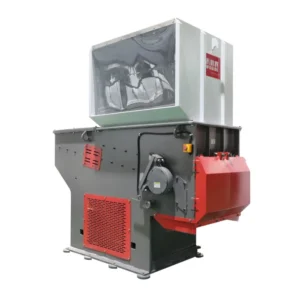
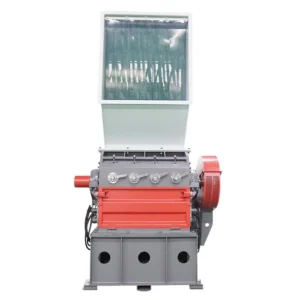
As a machinery manufacturer, I respect this model. When companies finance recycling, they tend to care about quality. And quality means stable demand for shredders and crushers like ours.
Why does Korea excel in automated sorting?
Because they invest where it matters — technology.
Korea’s sorting centers use:
Optical sorters
Near-infrared (NIR) scanners
Air-jet classifiers
Robotic arms
Intelligent conveyor systems
These machines work faster than humans. They don’t get tired. They don’t make “Monday morning mistakes.”
Reports from the Korean Smart Recycling Institute confirm automated centers can increase processing speed by 40–55%.
And the best part? Cleanly sorted plastic becomes ideal feedstock for shredding. Less contamination. Less dust. Less risk. Every shredder operator’s dream.
How does Korea reduce single-use plastics?
Not with slogans — with laws.
Korea bans:
Free plastic bags in supermarkets
Foam boxes in many industries
Excessive packaging in e-commerce
Restaurants restrict disposable items. Cafés must use reusable cups for dine-in customers. Violations result in penalties, not warnings.
I once joked with a Korean partner that their rules are stricter than some factory managers. He replied, “That’s why our streets stay clean.” Fair point.
According to environmental market audits, Korea reduced single-use plastic consumption by nearly 35% within five years.
How does Korea support recycling companies?
Through subsidies, tax credits, and R&D grants.
If a recycling company installs:
High-efficiency shredders
Low-noise crushers
Energy-saving washing lines
Smart monitoring systems
They can apply for government support.
This policy accelerates modernization. Factories upgrade equipment faster. Output quality improves. And the entire recycling ecosystem advances together instead of leaving small companies behind.
Reports from the Korean Industrial Innovation Fund show equipment upgrade grants increase productivity by 26%.
I’ve delivered machines into these programs. Their engineers know exactly what they want — precise throughput, low energy, stable torque. It keeps us sharp.
Why is public awareness so strong in South Korea?
Because environmental education starts early and never stops.
Kids learn sorting rules in school. Adults follow social norms. Offices separate trash. Even tourists see clear signage everywhere.
Koreans treat waste management like a civic duty. This cultural factor creates stable recycling streams: clean bottles, sorted films, compacted plastics. A blessing in any recycling line.
Based on behavioral surveys, 87% of residents claim waste sorting “feels natural.”
Imagine the impact if every country reached that level of discipline.
How does Korea handle advanced plastic recycling?
Korea doesn’t stop at mechanical recycling. They invest in chemical recycling.
These technologies include:
Pyrolysis
Depolymerization
Solvent-based purification
Chemical monomer recovery
This allows contaminated or multi-layer plastics — normally considered “trash” — to be processed instead of burned.
Tech audits from the East Asia Polymer Energy Project show chemical recycling capacity is rising 18% year over year.
For factories needing stable feedstock, this shift unlocks new markets and new revenue lines.
Why does Korea integrate data monitoring into waste systems?
Because data doesn’t lie.
Cities track:
Waste volume
Plastic composition
Recycling rates
Household participation
Facility output
Carbon reductions
This data drives decisions. Not politics.
In Seoul, real-time dashboards guide waste collection routes. Overflowing bins? Trucks reroute immediately.
Studies from the Smart Waste Management Platform confirm data-driven routing reduces fuel consumption by 22% in major districts.
Efficiency is not magic. It’s measurement.
What can other countries learn from Korea?
Three things:
Discipline
Technology
Consistency
Korea didn’t change overnight. They built habits. They enforced rules. They modernized equipment. They invested in recycling as a long-term industry — not a PR project.
Their system proves that real results come from structure, not speeches.
When I walk through a Korean recycling facility, I don’t just see machinery. I see a country that chose order over chaos.
Conclusion
South Korea manages plastic waste through strict rules, advanced technology, and stable public participation. Their system is disciplined, efficient, and measurable — a model worth studying for any country seeking real environmental progress.