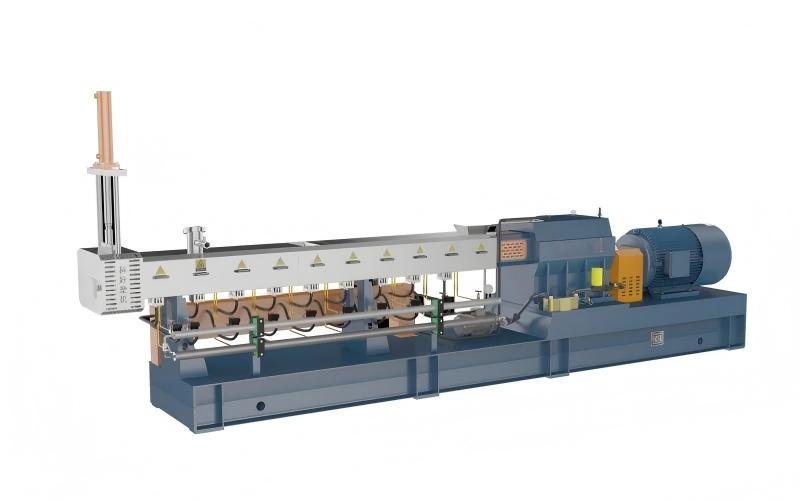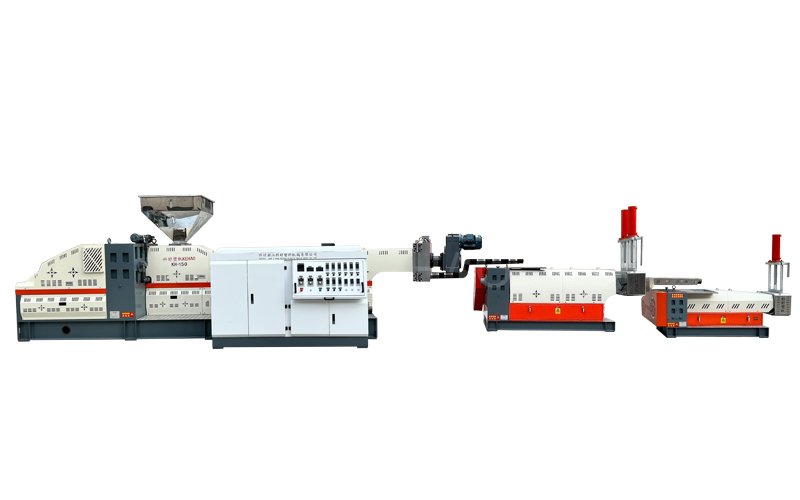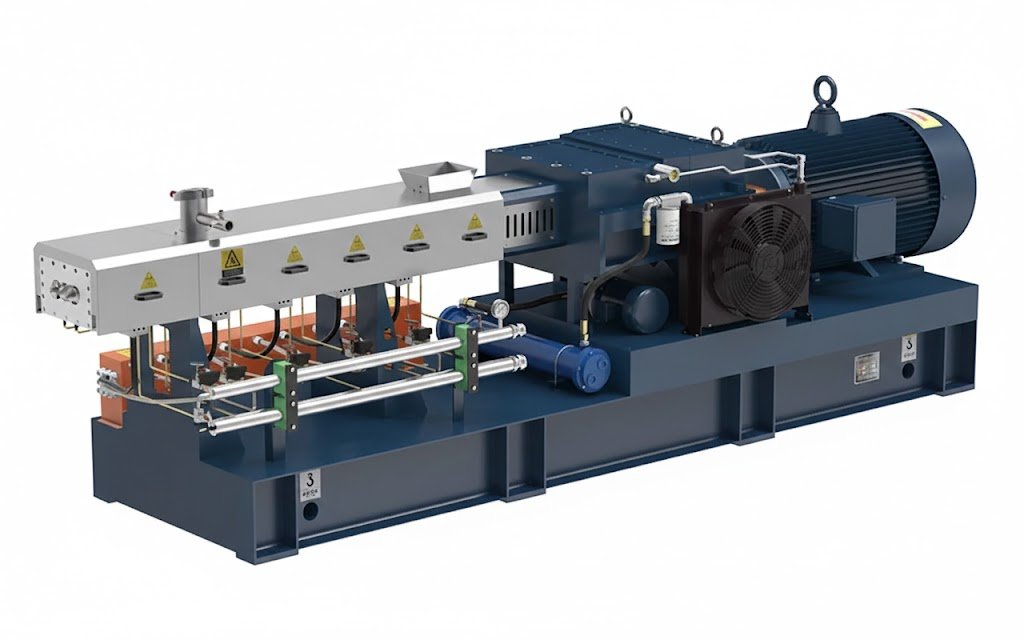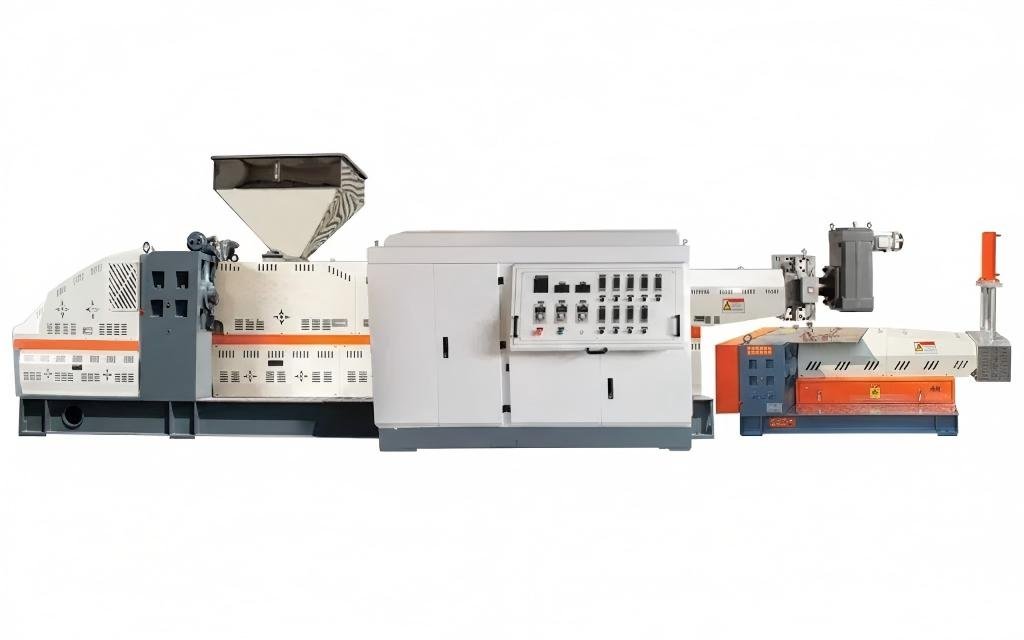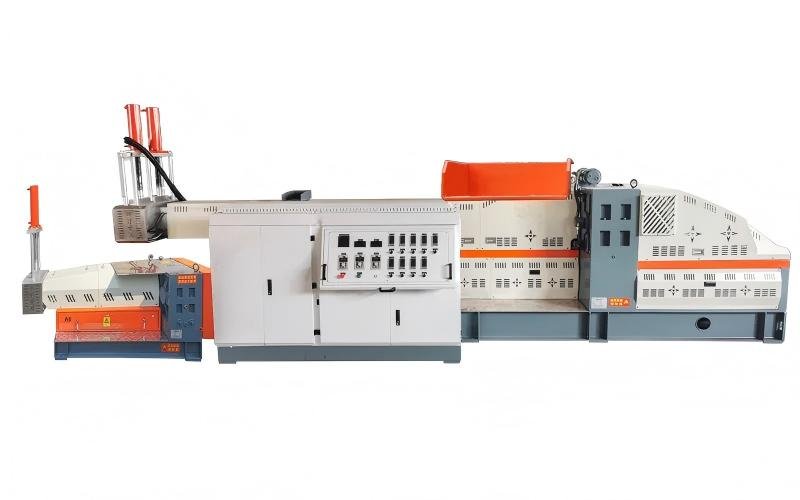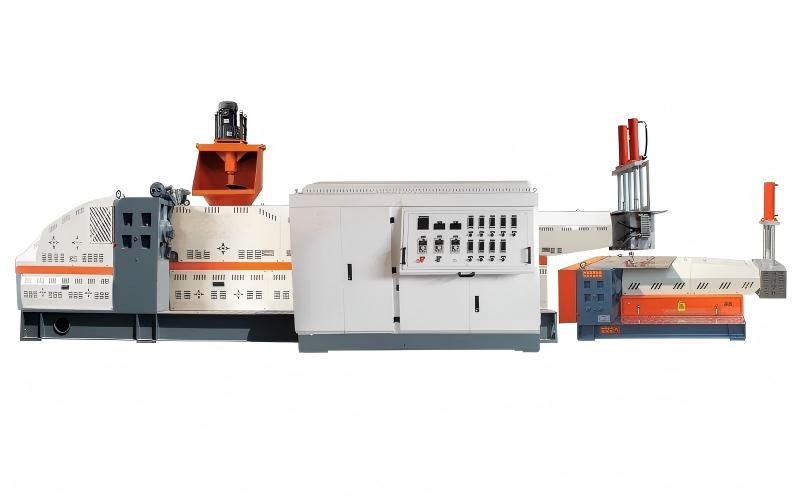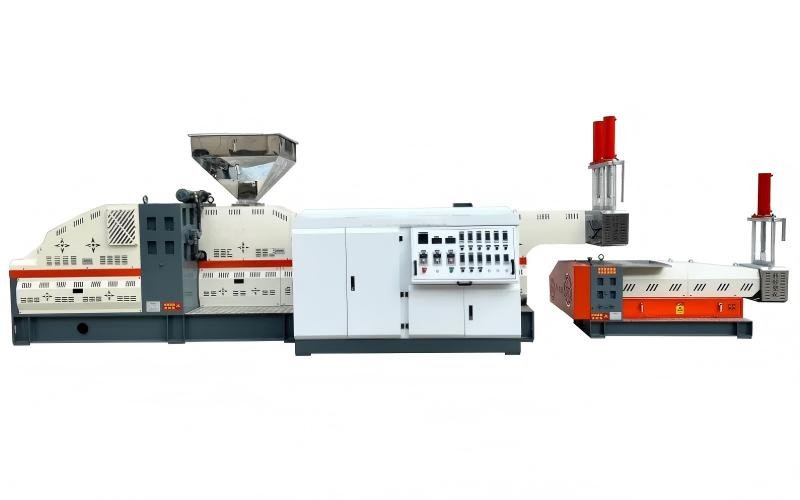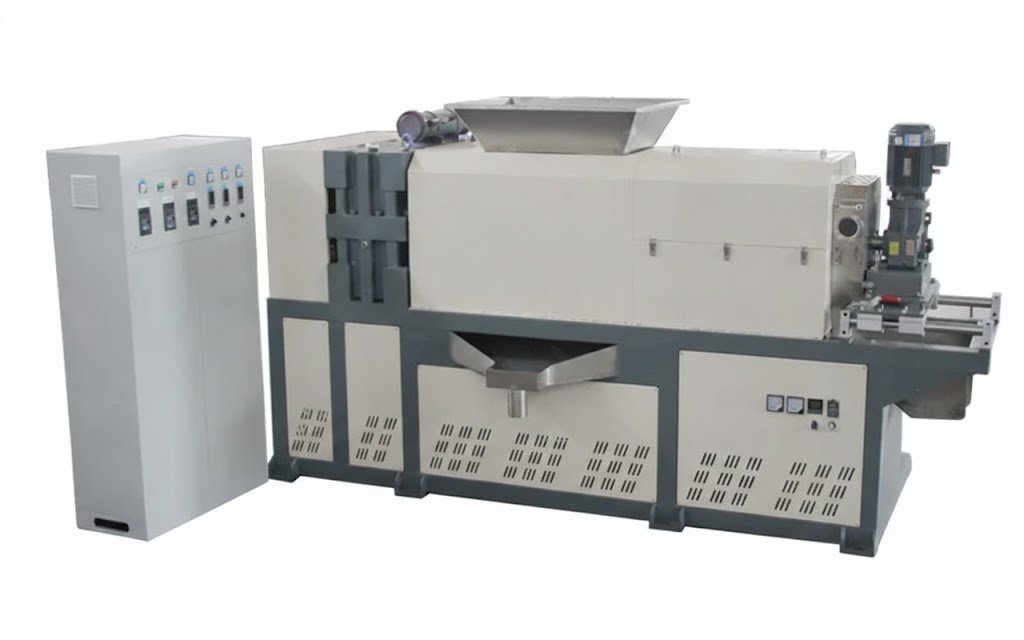
The plastic film squeeze dryer mechanically dewaters washed PE/PP film, woven bags and compatible flexible flakes. It reduces
Use this Crusher Series when your project needs controlled size reduction before washing, separation, conveying or granulation.
MATERIAL APPLICATION GUIDE
Match the crusher to the material form—not only the resin name. Feed dimensions, wall thickness, bulk density, contamination and the required output size all affect the final configuration.
Suitable feed examples include loose or baled beverage bottles, rejected preforms and rigid PET production scrap.
Selection note: Confirm whether caps, labels, liquid or other contamination remain and whether the crusher feeds a washing line.
Typical applications include detergent bottles, jerry cans, drums and other blow-moulded HDPE containers.
Selection note: Provide the largest container size, wall thickness and any residue or closures that may affect safe feeding.
Rigid PP applications include turnover crates, logistics bins, pallets and damaged injection-moulded parts.
Selection note: Maximum dimensions, reinforcing ribs and metal inserts help determine the chamber opening and feeding method.
Use cases include runners, sprues, edge trim and rejected moulded parts from injection-production lines.
Selection note: Share resin type, runner length, section thickness and whether low fines or direct regrind return is required.
Dense purge cakes, start-up lumps and thick rigid offcuts require assessment beyond resin type alone.
Selection note: Maximum size, unit weight and hardness determine whether a heavy-duty or assisted-feed configuration is needed.
Need a material-specific crusher configuration?Send material photos or video, maximum feed size, required kg/h, target output size, local voltage and installation country.
CRUSHER SELECTION CHECKLIST
The resin name alone is not enough to select a crusher. Use these six conditions to define the cutting chamber, rotor and knife arrangement, motor and feeding method, screen opening and electrical package.
State the resin and feed form: bottles, crates, runners, pipe, film, lumps, purges or mixed rigid scrap. Note contamination, metal inserts, moisture and whether material is loose or baled.
Provide maximum length × width × height in millimetres. For long runners, pipe or profiles, also give the longest piece and whether pre-cutting is possible.
Share typical and maximum wall or section thickness, the thickest rib or lump, and the heaviest single piece. These details affect rotor, knife, chamber and assisted-feed selection.
Give the target kg/h, daily operating hours and whether feed is continuous or intermittent. Final capacity must be checked against the actual material, feed method and output requirement.
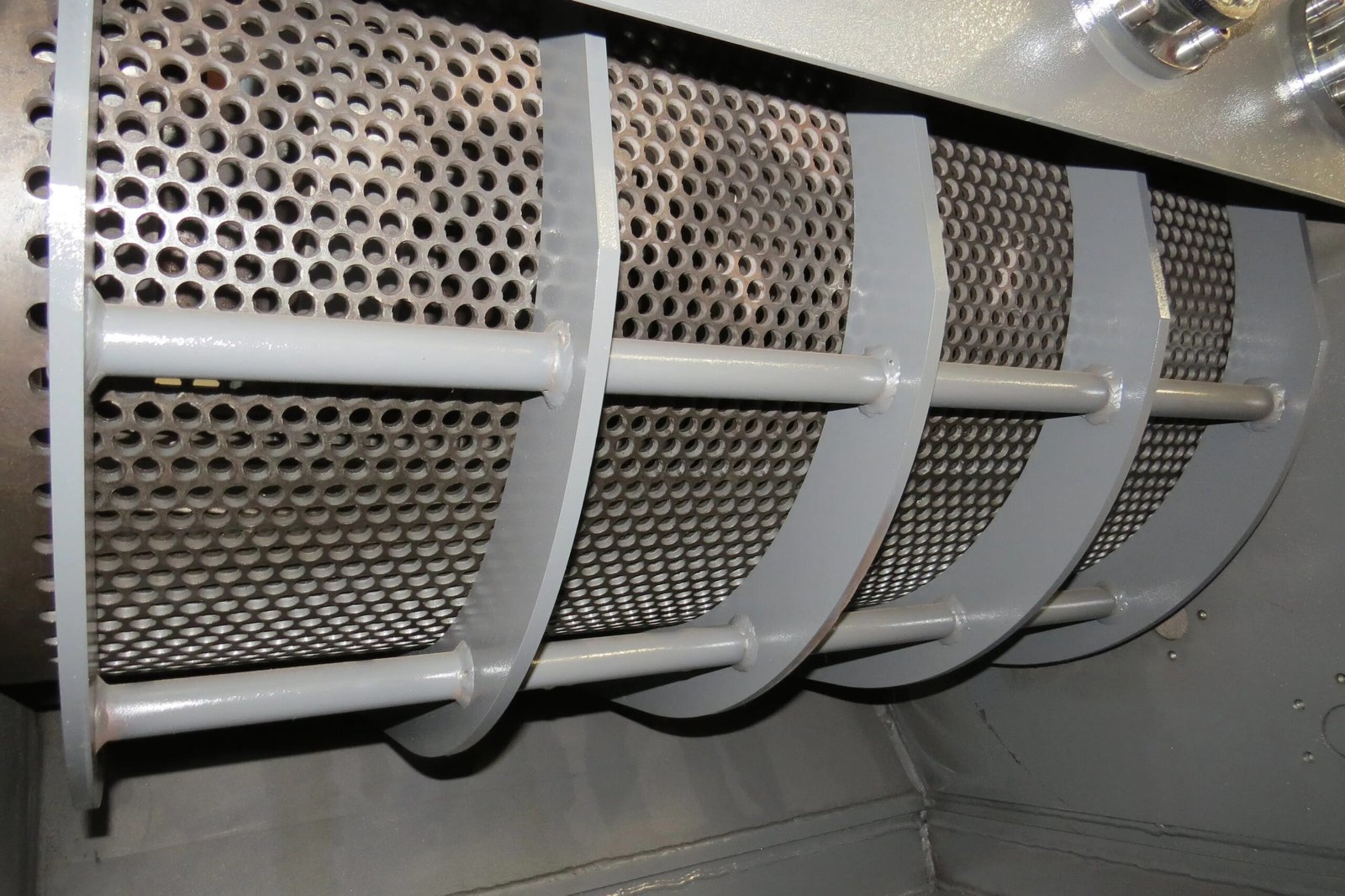
Specify the required flake or regrind size and preferred screen opening in millimetres. Also state downstream washing, separation or extrusion needs and any limit on fines.
Provide local voltage, phase, frequency in Hz and installation country. Include available space plus feeding, conveying and discharge arrangements.
Send these six conditions for model selection.Material photos or video and representative sample details help the engineering team prepare a more relevant crusher configuration and quotation.
BUYER TECHNICAL REFERENCE
Compare recorded starting points, inspect real AMIGE crusher details and choose the next machine in the recycling line. Recorded values are reference data; the final configuration and achievable throughput require review of the actual material and operating conditions.
| Feed or application | Recorded starting point | Screen or output reference | Recorded motor reference | Confirm before order |
|---|---|---|---|---|
| Runners and compact moulded rejects | WHC600/350 | 10–50 mm | 22 kW | Maximum dimensions, wall thickness, target regrind and feed stability |
| Rigid PE, PP and ABS parts | WHC600/450 or WHC800/450 | 10–50 mm | 30 or 37 kW | Piece weight, thickest section, metal inserts and required kg/h |
| PET bottles and larger rigid containers | WHC1000/600 | 10–50 mm | 55/75 kW | Bale or loose feed, caps, labels, liquid, downstream washing and target flake |
| Bulky pallets, drums and appliance shells | WHC1200/600 or FST-1400 | 10–50 mm or recorded 16 mm | 75/90 or 110 kW | Whether primary shredding is required, chamber access and loading method |
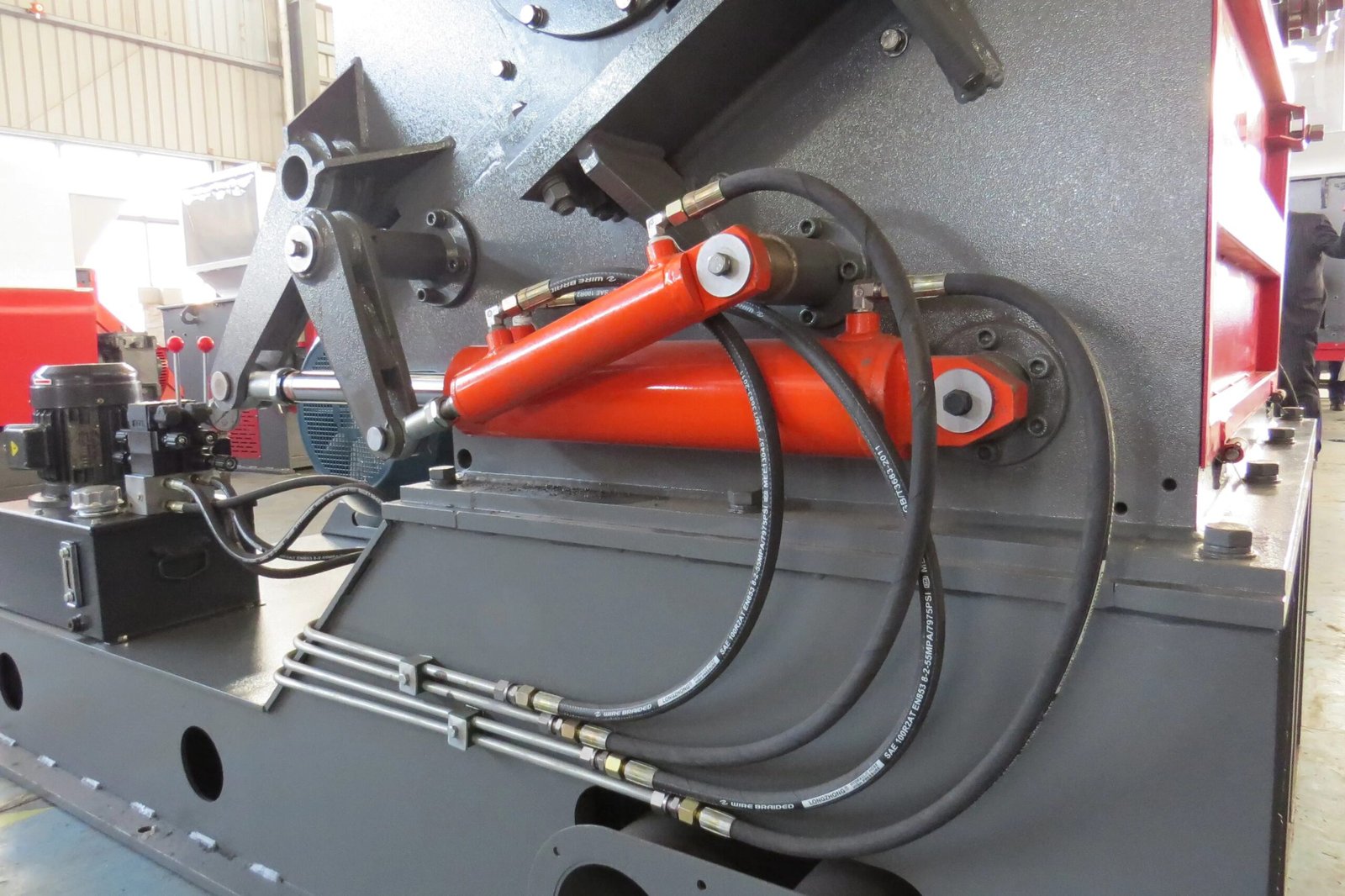
| Film, woven bags and flexible feed | RPR or hydraulic force-feed type | 100 mm recorded entry or 10–80 mm recorded discharge range | Project-dependent recorded references | Wrapping risk, bulk density, feed consistency, heat and fines |
Selection boundary: These values summarize current recorded page data and do not guarantee capacity. Confirm rotor and knife profile, screen, motor, feeding method and electrical package for the submitted material.
REAL TEST FOOTAGE
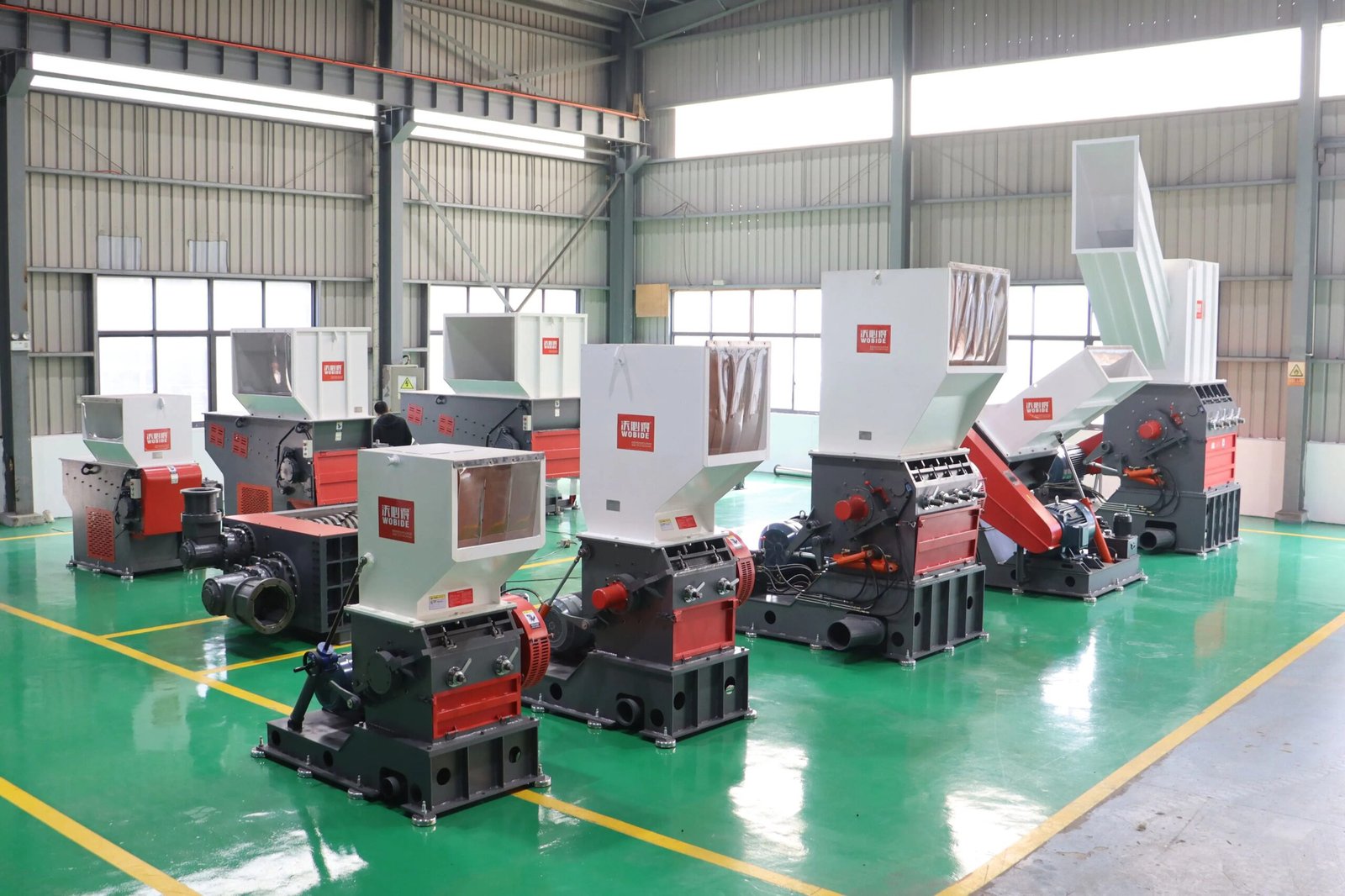
This AMIGE test video shows real large-bottle crusher operation. Use it to review feeding and discharge behaviour; it is not a guaranteed capacity test for a different material.
Record the material and contamination, maximum feed size, piece weight or bulk density, rotor and knife configuration, screen opening, feed rate, test duration, current draw, observed regrind range, fines, heat, noise and any blockages. A test on one material does not guarantee the same result on another.
Control measures depend on the polymer, moisture, target output, screen loading and site rules. Review enclosure, extraction, cooling, metal detection, isolation and cleaning access with the engineering and site-safety teams before final layout approval.