
Explore AMIGE crusher series for bottles, pipes, rigid plastics, and mixed recycling feedstock. Built for stable output, easier maintenance, and practical recycling projects.
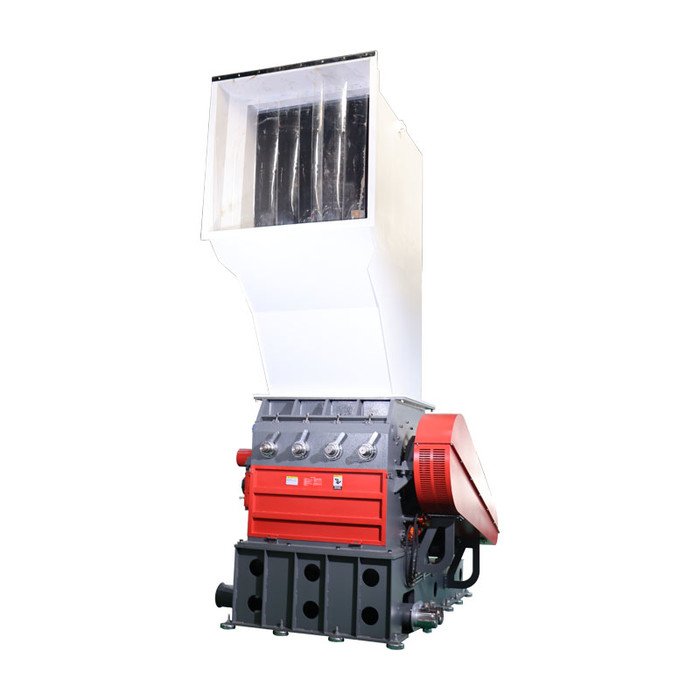
The WHC1200/800 industrial plastic crusher is positioned for heavy rigid scrap such as appliance shells, automotive bumpers, injection-moulded
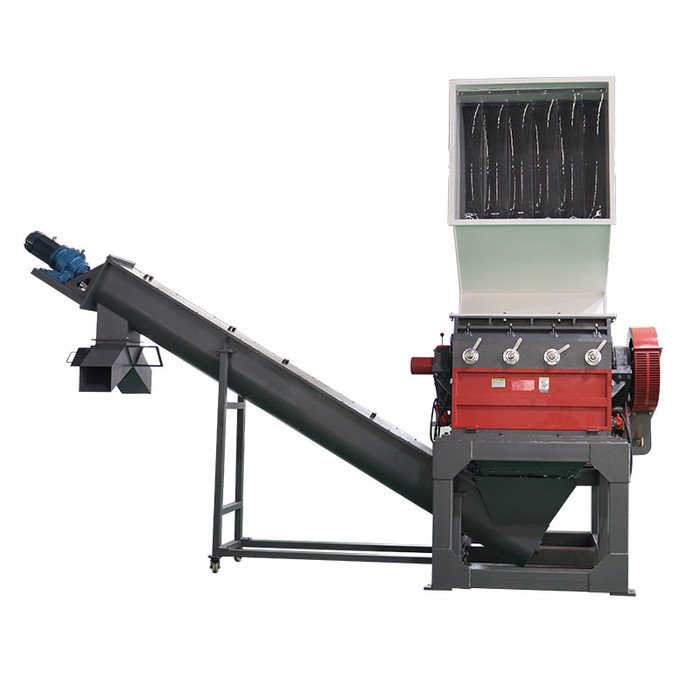
The WHC1200/600 heavy-duty plastic crusher is configured for a wider feed stream of bulky rigid scrap such as
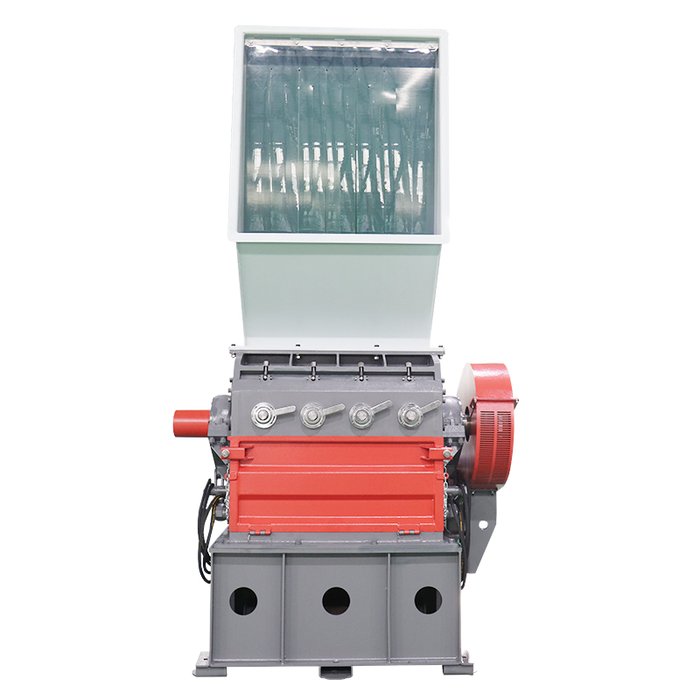
The WHC1000/600 plastic crusher is intended for PET bottles, rigid containers, moulded plastic scrap and pre-sized housings. Its
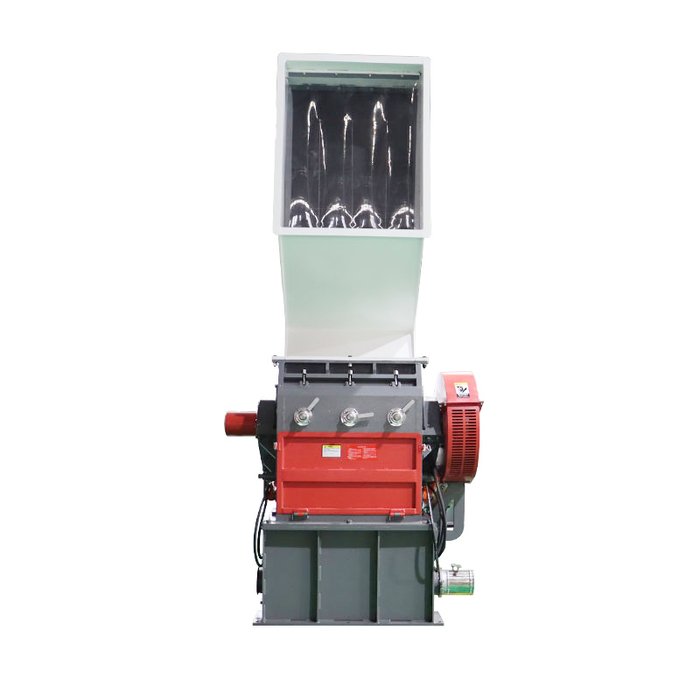
The WHC800/600 heavy-duty plastic crusher uses an 800 mm shaft and 600 mm rotor for larger rigid scrap,
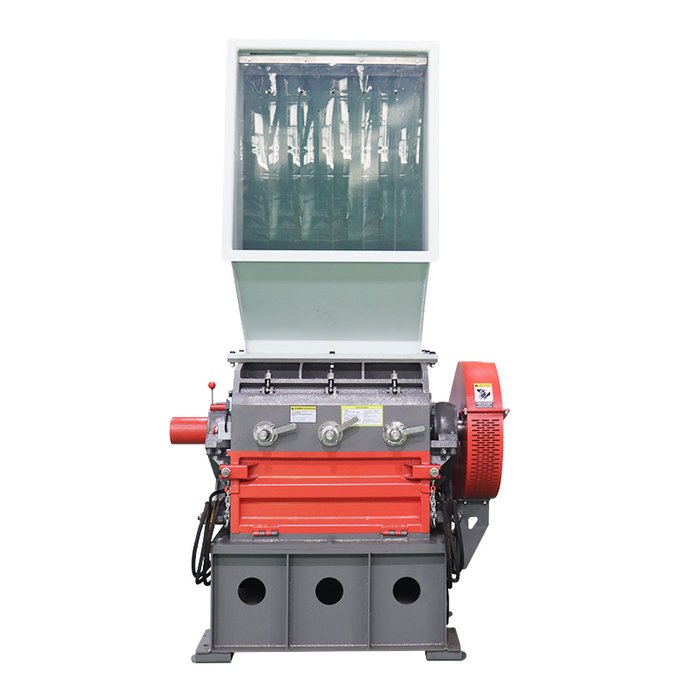
The WHC800/450 is a wider rigid-plastic crusher for injection-moulded rejects, housings, containers and moderate plastic lumps. Its 800
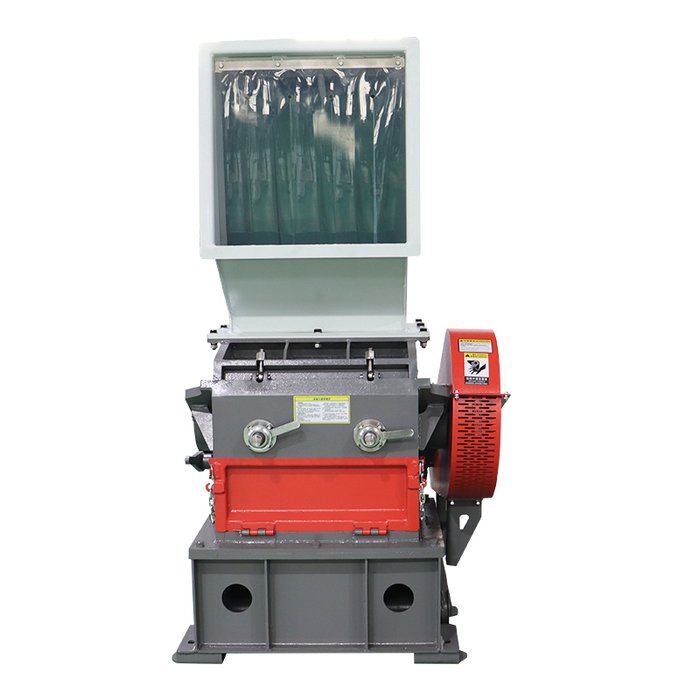
The WHC600/450 rigid plastic crusher combines a 600 mm shaft length with a larger 450 mm rotor. It
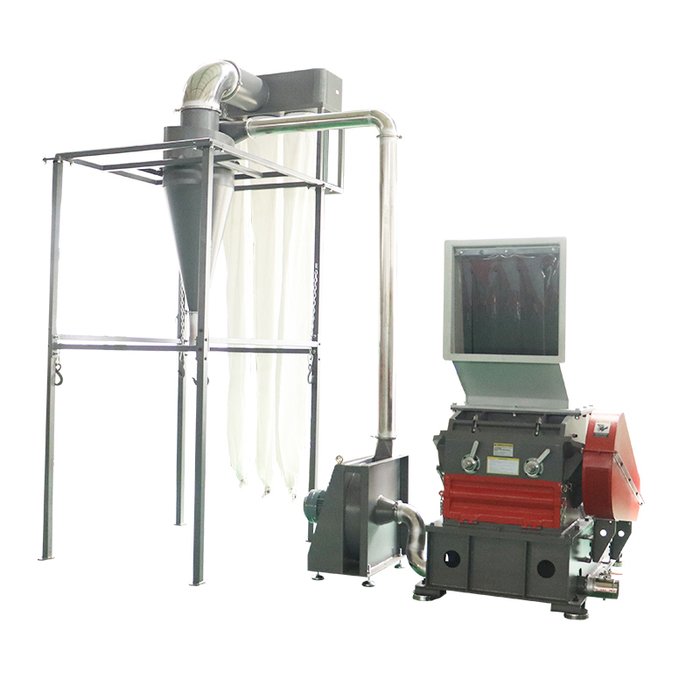
The WHC600/350 is a compact industrial plastic crusher for PET bottles, hollow containers, smaller rigid moulded parts and
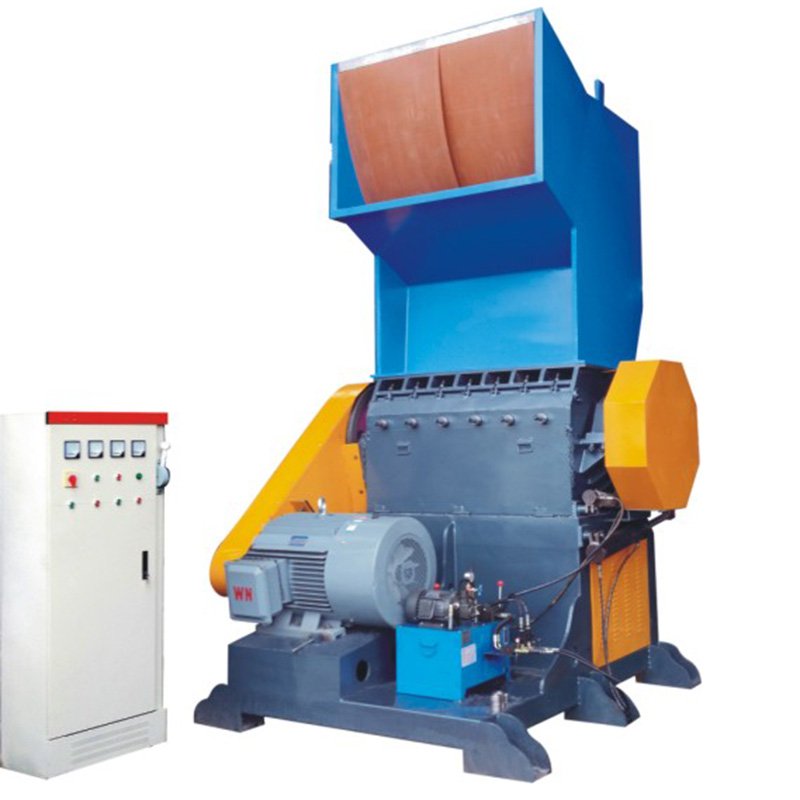
The FST-1400 is a large-feed plastic crusher for rigid plastic products such as pallets, drums, containers, thick moulded
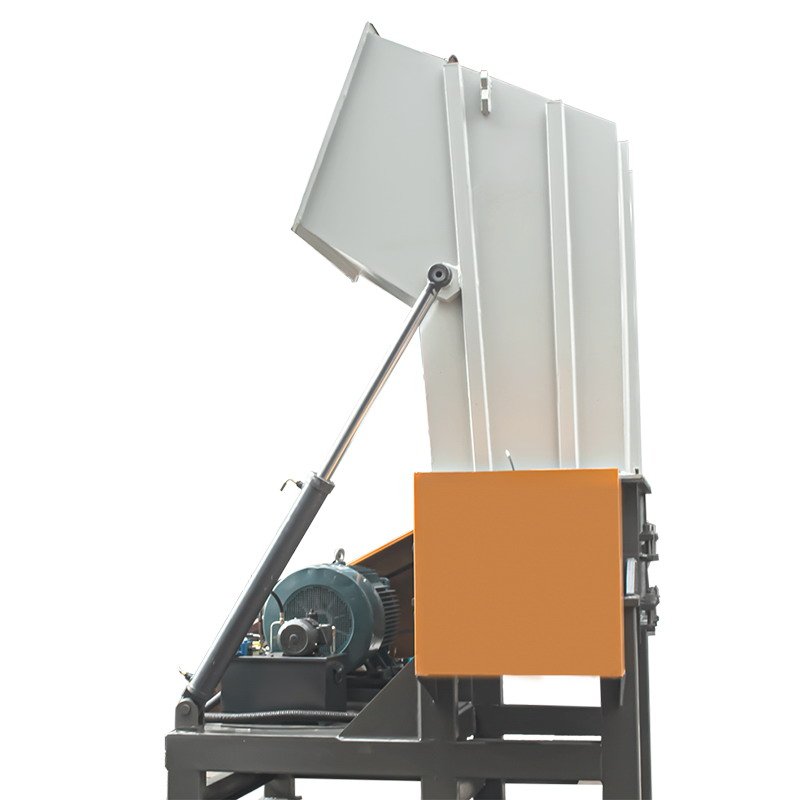
The FS1000 is a larger rigid-plastic crusher for pallets, drums, containers, crates, housings and other bulky plastic scrap
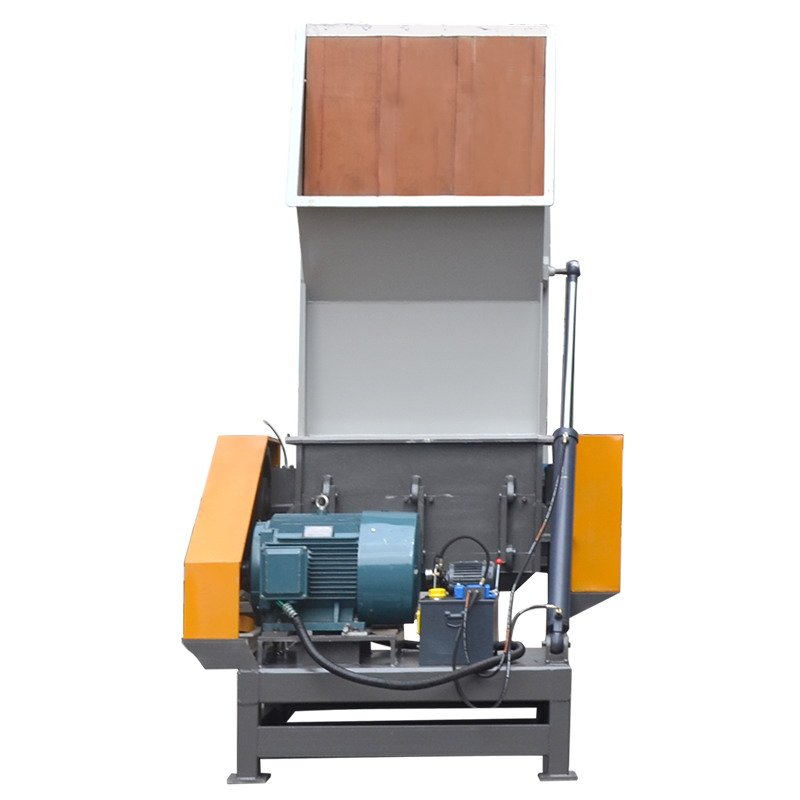
The FS1200 high-capacity plastic crusher extends the ordinary FS range to a recorded 1200 × 900 mm feed
Compare industrial plastic crushers by feed material, knife arrangement, screen opening, motor power and service access. Use the page-recorded specifications below for preliminary selection, then confirm the final rotor, screen and electrical configuration against representative material.
A crusher should be selected from the largest feed dimensions, polymer, wall thickness, contamination, target regrind and downstream process. Motor power and screen opening are configuration references, not guaranteed throughput. Required kg/h remains an RFQ input and must be checked against the actual material and feeding method.
| Feed material or project | Recommended starting point | Recorded knife or rotor arrangement | Recorded screen or output control | Recorded motor reference |
|---|---|---|---|---|
| Injection runners, sprues, small bottles and compact moulded rejects | WS650 low-noise crusher or WHC600/350 | WS650 knife profile requires confirmation. WHC600/350 records 2 × 3 rotor blades and 2 fixed blades. | WS650 requires confirmation. WHC600/350 records a 10–50 mm screen range. | WS650 requires confirmation. WHC600/350 records 22 kW. |
| Rigid PE, PP, ABS parts, containers, housings and moderate lumps | WHC600/450 or WHC800/450 | Both pages record 2 × 3 rotor blades. Fixed-blade records are 2 for WHC600/450 and 4 for WHC800/450. | 10–50 mm recorded screen range | 30 kW or 37 kW |
| PET bottles, larger rigid containers and pre-sized moulded scrap | WHC1000/600 | 2 × 5 or 2 × 7 rotor blades with 4 fixed blades | 10–50 mm recorded screen range | 55/75 kW |
| Bulky rigid scrap, pallets, drums, appliance shells and bumpers | WHC1200/600, FST-1400 or project-specific WHC1200/800 | WHC1200/600 records 2 × 5 or 2 × 7 rotor blades and 4 fixed blades. FST-1400 records 20 rotating and 4 fixed knives. WHC1200/800 records a welded high-strength V-shaped shaft; the knife configuration requires confirmation. | WHC1200/600 records 10–50 mm. FST-1400 records 16 mm. WHC1200/800 requires confirmation. | 75/90 kW, 110 kW, or project confirmation |
| General-purpose rigid plastic, crates, trays, drums and housings | FS800B, FS1000 or FS1200 | Each page records 6 rotary blades and 4 fixed blades. | 16 mm recorded screen opening | 30 kW, 55 kW or 75 kW |
| Long PE, PP, PVC, PPR or ABS pipe and profile scrap | 250, 400 or 630 pipe-crusher type | Each current page row records 10 rotary blades and 1 fixed blade. | Screen opening and final flake size require confirmation. | 45 kW, 75 kW or 90 kW |
| Film, woven bags, net, rope, cloth, fibre and other flexible feed | RPR-600/800/1000 for lighter flexible feed; hydraulic force-feed type for difficult feeding | RPR records 6, 6 or 10 rotary blades with 4 fixed blades. Force-feed knife details require project confirmation. | RPR records a 100 mm screen entry. Force-feed pages record a 10–80 mm discharge range; final output requires confirmation. | RPR records 22/7.5, 37/7.5 or 75/11 kW. Force-feed types record 110 or 160 kW. |
Each row below links to the current public product record. A value marked “confirm” is deliberately left unfilled because the source page does not provide a reliable matching specification.
| Model or type | Recorded knife or rotor arrangement | Recorded screen or output control | Recorded main motor | Maintenance or service-access record |
|---|---|---|---|---|
| WHC1200/800 | Welded high-strength V-shaped main shaft; knife details confirm | Confirm | Confirm | Hydraulic opening for housing and screen access; external bearing seat and shaft sealing |
| WHC1200/600 | 2 × 5 or 2 × 7 rotor blades; 4 fixed blades | 10–50 mm | 75/90 kW | 1.5 kW hydraulic system is recorded; verify safe access and support procedure |
| WHC1000/600 | 2 × 5 or 2 × 7 rotor blades; 4 fixed blades | 10–50 mm | 55/75 kW | 1.5 kW hydraulic system is recorded; verify safe access and support procedure |
| WHC800/600 | 2 × 5 or 2 × 7 rotor blades; 4 fixed blades | 10–50 mm | 55 kW | 1.5 kW hydraulic system is recorded; verify safe access and support procedure |
| WHC800/450 | 2 × 3 rotor blades; 4 fixed blades | 10–50 mm | 37 kW | 1.5 kW hydraulic system is recorded; inspect screen and knives through the designed access |
| WHC600/450 | 2 × 3 rotor blades; 2 fixed blades | 10–50 mm | 30 kW | 1.1 kW hydraulic system is recorded; inspect screen and knife clearance |
| WHC600/350 | 2 × 3 rotor blades; 2 fixed blades | 10–50 mm | 22 kW | Confirm access method, spare screen and spare-knife plan |
| FST-1400 | 20 rotating knives; 4 fixed knives; recorded 9CrSi material | 16 mm | 110 kW | 1.5 kW hydraulic system is recorded; 30 mm middle-box thickness |
| FS800B | 6 rotary blades; 4 fixed blades; recorded 60# or 9CrSi material | 16 mm | 30 kW, four-pole | 20 mm cutting-chamber wall thickness; confirm knife-clearance and screen-change procedure |
| FS1000 | 6 rotary blades; 4 fixed blades; recorded 9CrSi material | 16 mm | 55 kW, four-pole | 1.5 kW hydraulic system and 30 mm cutting-chamber wall thickness are recorded |
| FS1200 | 6 rotary blades; 4 fixed blades; recorded 9CrSi material | 16 mm | 75 kW, four-pole | 1.5 kW hydraulic system and 30 mm cutting-chamber wall thickness are recorded |
| WS650 | Confirm | Confirm | Confirm | Sound-reducing enclosure is recorded; confirm chamber and screen access |
| Pipe crusher 250/400/630 | 10 rotary blades and 1 fixed blade in each recorded row | Confirm | 45/75/90 kW | Confirm conveyor isolation, long-pipe handling and knife/screen access |
| RPR-600/800/1000 | 6/6/10 rotary blades; 4 fixed blades | 100 mm recorded entry | 22/7.5, 37/7.5 or 75/11 kW | Inspect wrapping, screen loading and feeding stability before each production run |
| Force-feed 1000/1300 | Blade length 1000 or 1300 mm; knife profile confirm | 10–80 mm recorded discharge range | 110/160 kW | Inspect hydraulic cylinders, pressure-plate travel, guarding and isolation points |
The service interval must follow the supplied manual and the actual material. The checklist below defines what to confirm during procurement and commissioning; it does not replace site lockout procedures or the machine manual.
The knife profile depends on material geometry and cutting behaviour. Rigid moulded parts, thick lumps, long pipe and flexible film do not use the same rotor and feeding arrangement. Use the recorded rotary/fixed-knife counts as a reference, then confirm knife profile, material, clearance and replacement method for the actual feed.
A smaller opening can produce a finer regrind but may reduce stable throughput, increase recirculation and raise heat or dust. The selected screen must match the polymer, target flake range and downstream process. Values in the tables are current page records, not a universal promise.
No. Motor power alone does not define kg/h. Feed dimensions, bulk density, wall thickness, contamination, knife condition, screen loading, feeding stability and downstream restrictions can change the production rate.
Use a shredder first when the part cannot enter safely, bridges above the chamber, contains thick irregular sections or requires lower-speed primary reduction. The crusher then provides screen-controlled secondary size reduction where appropriate.
Confirm safe chamber opening, screen removal, knife adjustment, lifting points, mechanical supports, bearing access and space around the machine. Also confirm spare-knife and spare-screen handling before the final layout is approved.
A test is recommended for reinforced plastics, mixed polymers, flexible bundles, unusual contamination, uncertain knife selection or a strict capacity/output target. Record the material, feed dimensions, rotor, knives, screen, feed rate and observed regrind.
Provide material photos or video, polymer, maximum dimensions, wall thickness, piece weight or bulk density, contamination, required kg/h, target regrind, operating hours, feeding method, voltage, installation country and available layout.
Send the information below so AMIGE can verify the crusher, knife, screen, motor and maintenance arrangement: