
Explore AMIGE crusher series for bottles, pipes, rigid plastics, and mixed recycling feedstock. Built for stable output, easier maintenance, and practical recycling projects.
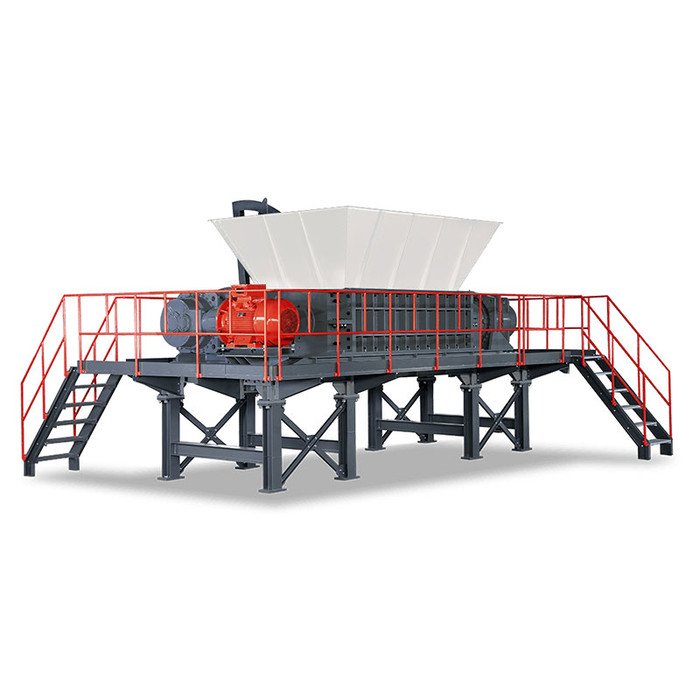
The WT1600 is a large double-shaft shredder for primary size reduction of tires and bulky industrial waste. Tire
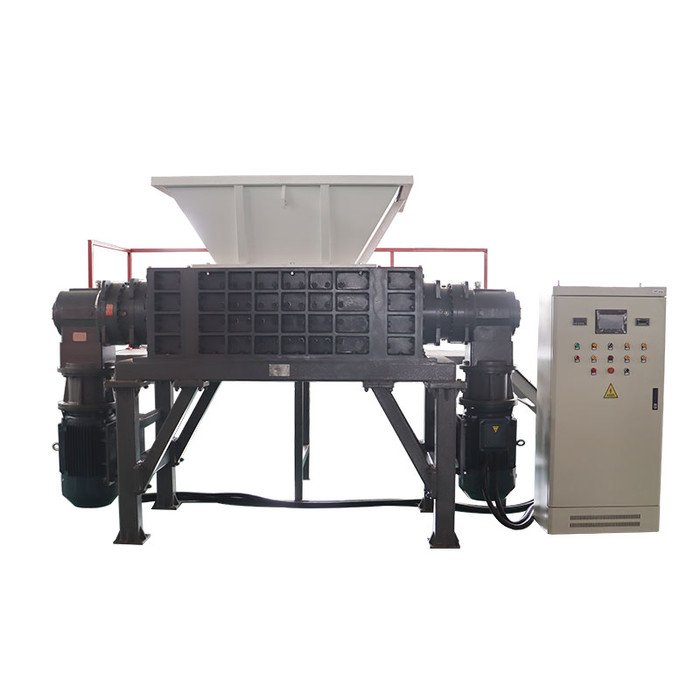
The WT1400 heavy-duty double-shaft shredder is intended for a larger feed stream of pallets, drums, appliance housings and
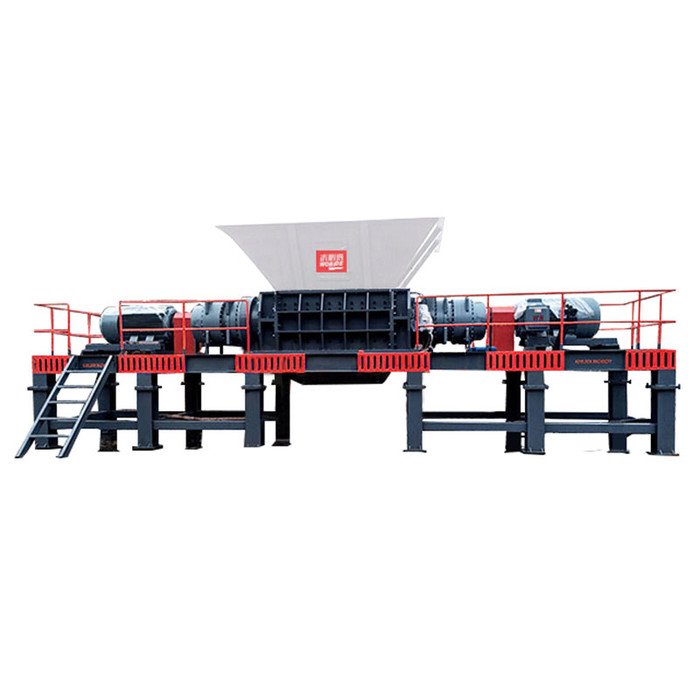
The WT1200 industrial double-shaft shredder is a wider primary-reduction machine for bulky plastic, pallets, drums, appliance scrap and
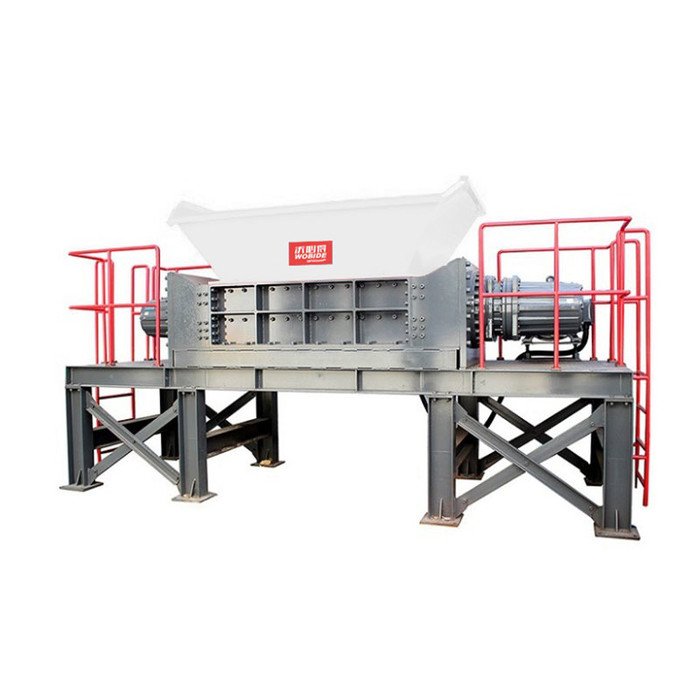
The WT1000 double-shaft shredder is a low-speed primary size-reduction machine for bulky plastic, drums, pallets, selected tyres, e-waste

The WT800 double-shaft shredder provides a larger cutting chamber and drive than the WT600 for pallets, drums, pipe

The WT600 is a compact double-shaft shredder for primary size reduction of smaller drums, housings, containers, production rejects

The WF1600 four-shaft industrial shredder is designed for bulky, mixed or difficult waste that benefits from repeated cutting
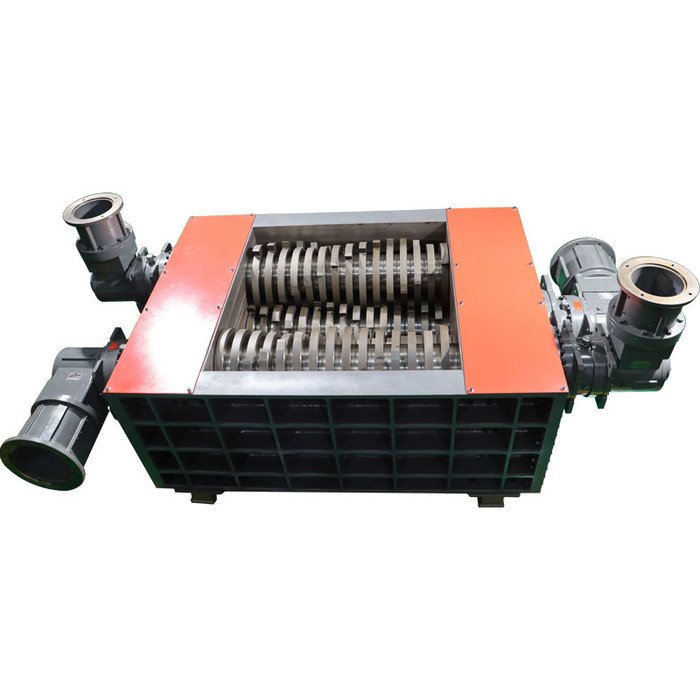
The WF1200 four-shaft industrial shredder is intended for difficult mixed or bulky material that benefits from repeated cutting
AMIGE two-shaft shredders use two counter-rotating cutter shafts for primary size reduction of bulky, rigid, mixed or difficult feed. “Double-shaft shredder” is the accepted synonym on this page. “Double-roll shredder” is a different machine family for flexible and wrapping-prone material and is not used as a synonym.
Start with the largest piece dimensions, single-piece weight, material strength, contamination, loading method, required discharge range and downstream process. The WT model references below support preliminary selection. They do not establish throughput or final cutter design without representative material and engineering review.
| Feed or project | Recommended starting point | Chamber and cutter check | Process boundary |
|---|---|---|---|
| Smaller plastic drums, containers, housings and production rejects | WT600 compact two-shaft shredder | Confirm that the largest piece fits the recorded 480 × 600 mm cutting chamber. Blade count, claw shape and thickness must match the feed. | Use for primary reduction. Do not infer a uniform final size or hourly output from the chamber alone. |
| Pallets, drums, pipe sections, hollow parts and selected mixed industrial scrap | WT800 double-shaft industrial shredder | Review the recorded 820 × 800 mm chamber, 420 mm blade diameter and 40 mm blade thickness against the feed geometry. | Metal-bearing feed, tyres and e-waste require separate cutter, torque-protection and downstream-separation review. |
| Bulky plastic containers, pallets, drums, selected tyres and e-waste housings | WT1000 double-shaft industrial shredder | Check the recorded 1020 × 800 mm chamber and final cutter configuration. The current page records 440 × 40 mm blade diameter and thickness. | Pressurised vessels, batteries, explosive material, hardened steel and unknown hazardous feed must be removed. |
| Large plastic containers, pallets, moulded housings, pipe and profile scrap | WT1200 industrial double-shaft shredder | Review the recorded 1220 × 800 mm chamber, 440 mm blade diameter and 50 mm blade thickness. The legacy URL does not establish metal suitability. | Alloy, thickness, shape and metal contamination require a material-specific cutter and protection review. |
| Bulkier or more variable pallets, drums, appliance housings and industrial waste | WT1400 heavy-duty double-shaft shredder | Compare the recorded 1420 × 950 mm chamber and 520 × 50 mm blade diameter and thickness with the largest feed piece. | A larger chamber does not guarantee more throughput. Strength, bulk density, cutter engagement and reversals remain decisive. |
| Whole or prepared tyres and very bulky industrial feed | WT1600 tyre and bulky-waste shredder | Review tire type, bead construction, steel content, outside diameter, width and whether the feed is whole, de-beaded or pre-cut. | Tire throughput, strip size, blade wear and reversal frequency depend on tire construction, cutter design and downstream separation. |
Values below are current public reference records. Final shafts, cutters, reducers, hopper, controls, guarding, discharge and electrical package require confirmation for the actual material and site.
| Model | Main-shaft length | Recorded speed | Recorded blades | Recorded drive | Recorded cutting chamber | Starting application |
|---|---|---|---|---|---|---|
| WT600 | 600 mm | 16–25 rpm | 30 pieces; 245 mm diameter; 18.5 mm thickness | 2 × 7.5 kW | 480 × 600 mm | Smaller containers, housings and production rejects |
| WT800 | 800 mm | 10–15 rpm | 20 pieces; 420 mm diameter; 40 mm thickness | 2 × 22 kW | 820 × 800 mm | Pallets, drums, hollow parts and selected mixed scrap |
| WT1000 | 1000 mm | 10–15 rpm | 24 recorded; 440 mm diameter; 40 mm thickness | 2 × 30 kW | 1020 × 800 mm | Bulky plastic, pallets, drums and selected special feed |
| WT1200 | 1200 mm | 10–15 rpm | 24 pieces; 440 mm diameter; 50 mm thickness | 2 × 30 kW | 1220 × 800 mm | Large containers, pallets, housings, pipe and profile scrap |
| WT1400 | 1400 mm | 10–15 rpm | 28 pieces; 520 mm diameter; 50 mm thickness | 2 × 37 kW | 1420 × 950 mm | Bulkier or more variable industrial feed |
| WT1600 | 1600 mm | 10–15 rpm | 32 pieces; 520 mm diameter; 50 mm thickness | 2 × 45 kW | 1620 × 950 mm | Tyres and very bulky industrial waste |
Provide the maximum length, width, thickness and single-piece weight. Define whether a conveyor, grab, tipper or other loading method is required. The hopper and access protection must match the loading method and the largest expected piece.
Polymer, wall thickness, reinforcement, metal content, dirt, moisture and hazardous residues affect cutter geometry, blade material, torque protection and wear. Unknown cylinders, batteries, pressurised vessels and explosive material must not enter the machine.
Two-shaft shredders commonly provide coarse primary reduction based on cutter geometry and repeated biting rather than a sizing screen. Define the acceptable discharge range and whether the material will pass through separation, secondary shredding, crushing, washing or granulation.
Yes on this category page. “Two-shaft shredder” is the preferred category term and “double-shaft shredder” is the accepted synonym. Both refer to the WT counter-rotating cutter-shaft family.
No. On this site, double-roll refers to the WPT and DR machines for flexible and wrapping-prone material such as film, woven bags, raffia, nets and rope. It is not used as a synonym for the WT two-shaft category.
Start with maximum feed dimensions and piece weight, then compare chamber size, cutter diameter and thickness, material strength, contamination, loading method, discharge requirement and downstream equipment. Model width alone does not determine the correct choice.
Many primary two-shaft applications control discharge mainly through cutter geometry and repeated biting rather than a screen. Confirm the required discharge range and whether secondary crushing or granulation is needed.
Only after a material-specific review. Provide alloy, thickness, shape, attached components, batteries, hazardous parts and the planned downstream separation. Do not select a machine from the material label or legacy URL alone.
It may process selected feed with the correct cutter and loading arrangement, but long flexible material can wrap or bridge. Compare the dedicated double-roll range when flexible-material feeding stability is the main requirement.
Send material photos or video, composition, maximum dimensions, single-piece weight or bulk density, contamination, target throughput, acceptable discharge range, operating hours, loading method, downstream process, voltage, installation country and floor-space limits.
Send the following details so AMIGE can evaluate the WT model, cutter, reducer, hopper, controls, guarding, loading and downstream arrangement: