The problem is visible. Plastic waste washes ashore every day. It piles up. It spreads. It damages ecosystems and local economies. Coastal communities are under pressure. Cleanup efforts are constant, but inefficient. Transporting bulky plastic inland is costly and slow. I’ve seen this bottleneck too many times. The gap between collection and processing is where value is lost. If we don’t solve this, ocean plastic governance remains a slogan—not a system.
My answer is straightforward: mobile crushing equipment bridges the critical gap between collection and processing. By enabling on-site size reduction, it cuts logistics costs, improves recycling efficiency, and empowers coastal communities to manage waste locally. In many pilot regions, mobile systems have reduced transportation volume by over 60% and improved recycling rates significantly.
I’ve worked with enough recycling systems to know this. Efficiency is not built in factories alone. It is built where waste actually exists.
Why Is Ocean Plastic So Difficult to Manage?
Ocean plastic is not like factory scrap. It is mixed. Contaminated. Scattered.
You are dealing with:
- Saltwater corrosion
- Sand and organic contamination
- Irregular collection points
Traditional recycling systems are centralized. But ocean plastic is decentralized. That mismatch creates inefficiency.
According to industry estimates, over 70% of collected marine plastic is delayed or landfilled due to poor preprocessing capacity.
That’s not a collection problem. That’s a processing problem.
What Makes Mobile Shredding Equipment Different?
Mobility changes everything.
Instead of transporting waste to machines, we bring machines to waste.
Mobile shredders are designed for:
- Compact structure
- Easy transportation
- Rapid deployment
They can be installed on trailers or containers. Operate directly in coastal zones.
This reduces the volume of plastic immediately. Making downstream transport and washing more efficient.
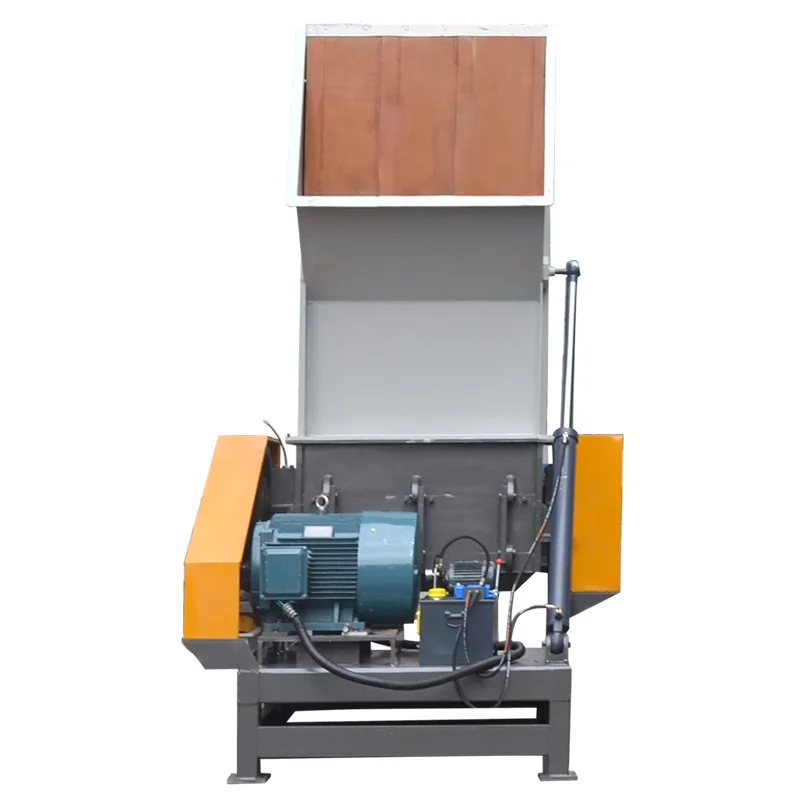
In simple terms. Cut first. Move later. FS1200 Plastic Crusher
How Do Coastal Communities Benefit?
I always look at practical outcomes.
Mobile shredders bring three direct benefits:
1. Cost reduction
Volume reduction lowers transport costs significantly.
2. Faster processing cycles
Material is pre-processed on-site. No backlog.
3. Local value creation
Communities can sell shredded flakes instead of raw waste.
In one Southeast Asia project, logistics costs dropped by nearly 50% after mobile shredders were introduced.
That’s real impact. Not theory.
What Are the Technical Challenges?
Let’s not pretend it’s easy.
Mobile systems face tough conditions:
- High humidity
- Salt corrosion
- Unstable power supply
Equipment must be rugged. Reliable. Easy to maintain.
At Amige, we focus on:
- Corrosion-resistant materials
- Reinforced cutting systems
- Flexible power configurations (diesel + electric)
Without durability, mobility is useless.
How Does Material Variability Affect Performance?
Ocean plastic is unpredictable.
You get PET bottles. Fishing nets. HDPE containers. Even metal contamination.
This requires:
- Strong rotor design
- Wear-resistant blades
- Adaptive feeding systems
A standard crusher won’t survive long in these conditions.
We often customize blade materials and screen sizes depending on local waste composition. That flexibility is key.
Is Integration with Washing Systems Necessary?
Yes. And increasingly so.
Shredding alone is not enough. Marine plastic is dirty.
Mobile solutions are now evolving into integrated systems:
- Shredding + washing
- Shredding + dewatering
- Compact recycling units
This reduces handling steps. Improves output quality.
Integrated systems can improve final material value by up to 30%.
That’s where the future is heading.
What Role Do Governments and NGOs Play?
A big one.
Most coastal cleanup projects are driven by:
- Government initiatives
- Environmental NGOs
- International funding programs
They prioritize scalable and practical solutions.
Mobile shredders fit perfectly into pilot projects and decentralized waste management models.
Policy support is increasing. Especially under global marine protection frameworks.
Without policy backing, adoption would be much slower.
What Trends Will Shape the Next Phase?
I see three clear directions:
1. Smarter equipment
Remote monitoring. Data tracking. Predictive maintenance.
2. Modular systems
Plug-and-play units for shredding, washing, and pelletizing.
3. Localization
Machines tailored to specific coastal conditions and waste streams.
The market is moving fast.
Those who adapt will lead. Those who hesitate will follow.
Conclusion
Mobile shredders are not just machines. They are strategic tools for decentralized ocean plastic management. By enabling on-site processing, they reduce costs, improve efficiency, and empower communities. The future of marine plastic recycling will be mobile, integrated, and locally driven.