Prices rarely move quietly. Virgin plastic costs fluctuate. Oil markets shift. Supply chains tighten. I watch it closely. Because when raw material prices spike, manufacturers feel pressure immediately. Margins shrink. Procurement becomes unstable. At that moment, recycled material stops being an option. It becomes a necessity. And when demand for recycled plastics rises, the first bottleneck always appears upstream—size reduction. That is where crushers enter the picture.
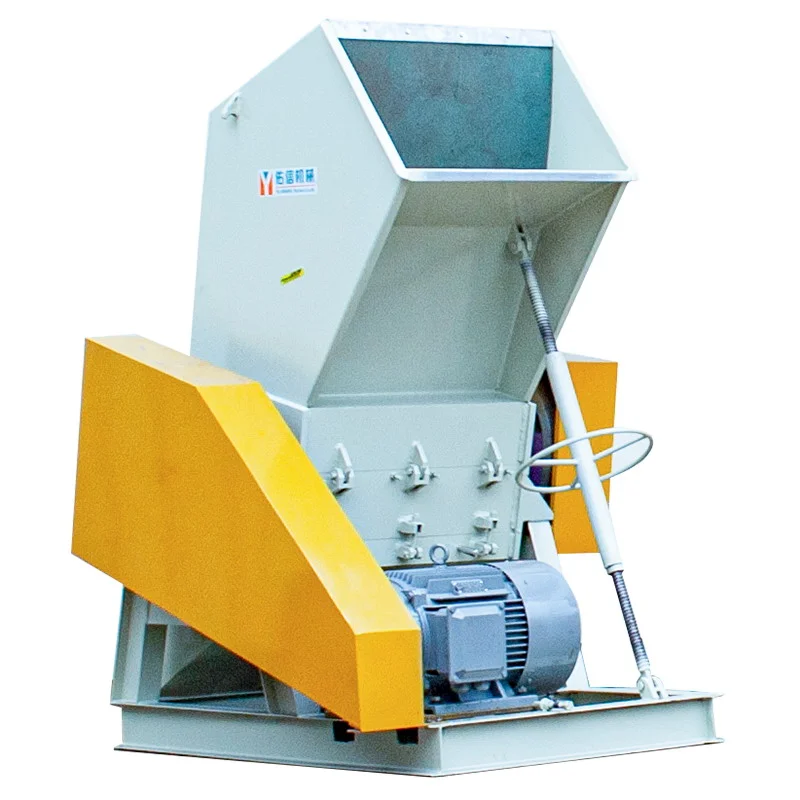
Rising demand for recycled materials, driven by volatile raw material prices, is directly fueling a surge in crusher orders because manufacturers need stable, cost-effective feedstock, and efficient crushing systems are the foundation of any scalable recycling operation. Without proper size reduction, the entire recycling chain fails to deliver consistent output and profitability.
I have seen this cycle repeat. Every few years. But this time, the scale is different.
Why Do Raw Material Price Fluctuations Impact Recycling So Strongly?
The connection is straightforward.
Virgin plastics depend heavily on oil prices.
When oil rises, polymer costs follow.
According to Global Polymer Pricing Index, price swings of 15–30% within a quarter are no longer rare.
That level of volatility forces manufacturers to rethink sourcing strategies.
Recycled plastics offer cost stability.
Not perfect. But more predictable.
That predictability drives demand.
And demand drives equipment investment.
How Does Recycled Material Demand Translate Into Crusher Orders?
Recycling starts with size reduction.
No exceptions.
Collected waste is bulky. Irregular. Contaminated.
It must be crushed before washing, separation, or pelletizing.
Reports from Recycling Market Dynamics Study show a 42% increase in recycled plastic demand over the past three years.
That demand pushes capacity expansion.
And every new recycling line needs crushers.
From my experience, customers rarely upgrade downstream first.
They start with the crusher.
Because without consistent flakes, nothing else works.
What Types of Crushers Are Seeing the Highest Growth?
Not all crushers benefit equally.
Rigid plastic crushers are leading.
Applications include:
- Injection molding scrap
- Blow-molded containers
- Thick-walled industrial waste
Film crushers are also gaining traction. But they require different configurations.
According to Industrial Equipment Demand Report, the rigid plastic crusher orders have grown by over 35% year-on-year.
That aligns with what I see in our order book.
Customers want durability. Not just capacity.
Are Customers Changing Their Purchasing Behavior?
Absolutely.
In the past, price was the primary driver.
Now, total cost of ownership matters more.
Buyers ask better questions:
- How stable is the output size?
- How often do blades need replacement?
- What is the energy consumption per ton?
Data from Manufacturing Procurement Trends indicates that over 60% of buyers now prioritize efficiency and reliability over initial cost.
That is a healthy shift.
It favors companies like ours.
What Technical Features Are Driving Modern Crusher Demand?
Demand is not just about quantity.
It is about specification.
Customers expect:
- Strong rotor design
- Wear-resistant blades
- Stable discharge size
- Easy maintenance
We also see rising interest in automation.
PLC control systems are becoming standard.
According to Automation in Recycling Equipment, automated crushers improve operational efficiency by up to 28%.
That is not marginal.
That is decisive.
How Does Crusher Performance Affect Downstream Profitability?
This is where many underestimate the impact.
Crusher performance sets the tone for the entire line.
Inconsistent flakes lead to:
- Poor washing efficiency
- Higher contamination levels
- Lower pellet quality
Reports from Plastic Recycling Efficiency Analysis show that optimized crushing improves overall yield by 15–20%.
That directly affects profit margins.
A good crusher pays for itself quickly.
A bad one costs you every day.
Is Energy Efficiency Becoming a Deciding Factor?
Yes. More than before.
Electricity costs are rising globally.
Recycling is energy-intensive.
Customers calculate cost per ton carefully.
We design machines with:
- Optimized cutting angles
- Efficient motor configurations
- Reduced idle load
According to Energy Benchmark Report, efficient crushers reduce energy consumption by up to 18%.
That is not a small number.
Over time, it defines competitiveness.
What Role Does Policy Play in This Growth?
Policy is a strong driver.
Governments are pushing recycling targets.
Plastic taxes. EPR systems. Import restrictions.
All of these increase demand for local recycling capacity.
Data from Global Recycing Policy Tracker shows that over 70 countries have strengthened recycling regulations in recent years.
Policy creates pressure.
Pressure creates investment.
Investment creates equipment demand.
Is This Crusher Order Surge Sustainable?
Short answer: yes.
Long answer: it depends on execution.
Recycling demand is structural.
Not temporary.
However, not all suppliers will benefit equally.
Only those who deliver reliable machines will survive long-term.
From my position, I see this as a multi-year opportunity.
But also a filtering process.
The market will reward consistency.
Conclusion
Raw material price volatility is accelerating recycling adoption. Rising demand for recycled plastics is pushing crusher orders to new levels. This is not a short-term spike. It is a structural shift. In this environment, high-performance crushers are no longer optional. They are essential infrastructure.