A high-output plastic crusher should be evaluated by a defined material test, not by exhibition conversations or a single capacity number. Polymer, feed dimensions, bulk density, moisture, screen, feeding and downstream handling can change the result substantially.
I ask buyers to define usable output first. Flakes that miss the required size, contain excessive fines or cannot be discharged consistently should not be counted as successful capacity.
Define the Test Conditions in Writing
| Test condition | What to record | Why it matters |
|---|---|---|
| Material | Polymer, shape, wall thickness, contamination and moisture | Prevents results from an easier material being substituted |
| Feed preparation | Largest dimensions and any pre-cutting | Shows the real labor and upstream requirement |
| Machine setup | Rotor, knives, screen, motor and control settings | Makes the result repeatable and comparable |
| Operating period | Stable run time, interruptions and cleaning | Separates a short burst from sustainable production |
| Accepted output | Usable flakes, fines, oversize and discharge behavior | Connects capacity to downstream value |
Check the Entire Line for Bottlenecks
A crusher cannot maintain output when the conveyor starves it, the hopper bridges, extraction restricts discharge or downstream storage fills. Capacity must include the feed method, metal control, discharge conveyor, dust handling and the next process.
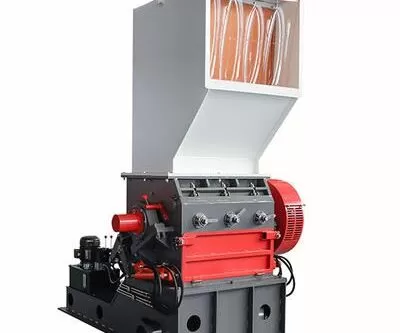
The WHC1200/800 industrial plastic crusher can be reviewed for higher-throughput rigid plastic applications. Final output must be confirmed with the buyer’s material and agreed test conditions.
Compare Sustainable Output and Operating Cost
- Measure accepted material rather than total chamber discharge.
- Record energy during stable production.
- Include knife condition and blade-clearance checks.
- Record blockages, cleaning and operator interventions.
- Check bearing, screen and chamber temperatures where required.
- Compare maintenance access and planned wear-part inventory.
Frequently Asked Questions
Can a supplier guarantee one capacity for every plastic?
No. Capacity depends on defined material, feed, screen, operating and downstream conditions.
How long should a capacity test run?
It should be long enough to reach stable operation and reveal feeding, discharge, heat and interruption behavior under the agreed plan.
Does a larger feed opening guarantee higher output?
No. Rotor, knives, screen, drive, feeding and discharge must work together.
Should fines be included in capacity?
Only if they meet the buyer’s accepted output specification. Report usable flakes, fines and oversize separately.
What should I send before requesting a test?
Send representative material, maximum dimensions, contamination, target flake, required output, operating hours and downstream process.
Request a Capacity-Test Plan
Submit the material and acceptance criteria through the AMIGE inquiry page. We will define the machine setup, test inputs and recorded outputs before discussing capacity.