An energy-efficient plastic crusher is not simply the machine with the smallest motor. A low motor rating can still produce an expensive tonne of flakes when feeding is unstable, knives are dull, the screen is restrictive or the machine spends too much time blocked.
I compare energy against usable output. The buyer should measure how many acceptable kilograms leave the machine, not how impressive the motor plate looks in a quotation.
Use Energy per Usable Tonne
| Cost input | Measurement | Buyer question |
|---|---|---|
| Electrical use | Metered kWh during representative production | Was the machine running at a stable load? |
| Usable output | Accepted flakes after fines and rejects | Does the stated capacity match this material? |
| Knife and screen condition | Hours between inspection, sharpening and replacement | How does wear change power draw? |
| Downtime | Blockages, cleaning and maintenance time | How much paid time produces no material? |
| Feeding and discharge | Labor and auxiliary equipment use | Is the crusher waiting or overfed? |
Run the comparison with the same polymer, feed dimensions, moisture, target flake and operating period. Results from a different material are not a reliable purchasing guarantee.
Find the Causes of Avoidable Power Use
Dull knives rub instead of cutting. Incorrect blade clearance increases tearing and heat. An undersized screen keeps material in the chamber longer. Irregular feeding creates repeated current peaks, while poor discharge can make a correctly sized crusher look underpowered.
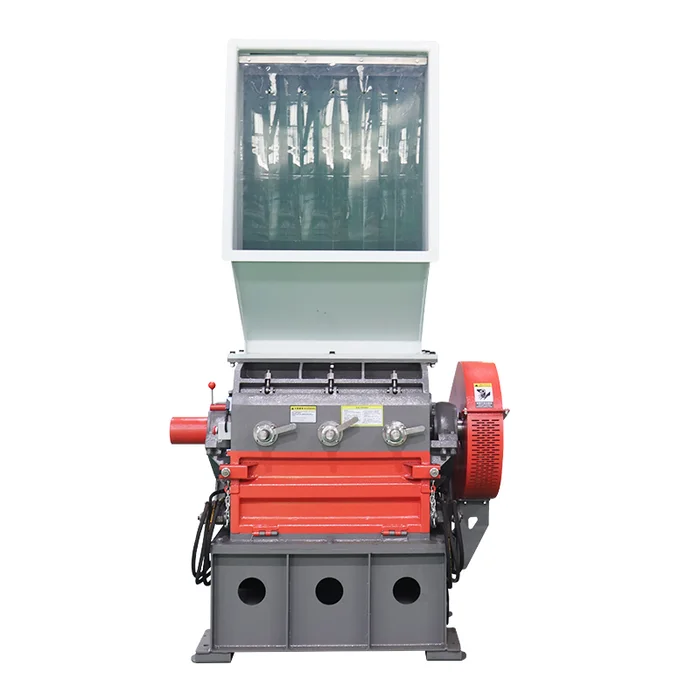
For large rigid scrap, compare the feed opening, rotor and discharge arrangement of the WHC800/450 rigid plastic lump crusher with the actual material. The right configuration matters more than a generic efficiency label.
Compare Total Cost, Not a Claimed Saving
- Request a test using representative material where practical.
- Record throughput and energy under the same test conditions.
- Include knife, screen, bearing and cleaning intervals.
- Check motor starting, overload and feed-control requirements.
- Include conveying, extraction and downstream separation loads.
- Compare cost per accepted tonne across the planned operating hours.
Frequently Asked Questions
Does a larger motor always use more energy per tonne?
No. A correctly loaded larger machine may finish the same work faster and with fewer blockages. Compare measured energy with accepted output.
Can a variable-frequency drive reduce crusher energy use?
It may support controlled feeding or specific operating strategies, but its value depends on the motor, control design and material flow.
Why do dull knives increase operating cost?
They increase rubbing, heat, recirculation and processing time while reducing flake consistency.
Should quotations include an energy guarantee?
Any guarantee needs defined material, feed size, moisture, screen, capacity and test procedure. A number without conditions is not comparable.
What data should I send for an energy review?
Send material details, maximum size, target flake, required output, operating hours, current energy records and the existing process layout.
Request a Cost-per-Tonne Review
Send representative operating data through the AMIGE inquiry page. We will identify the machine and process inputs needed for a defensible energy-cost comparison.