
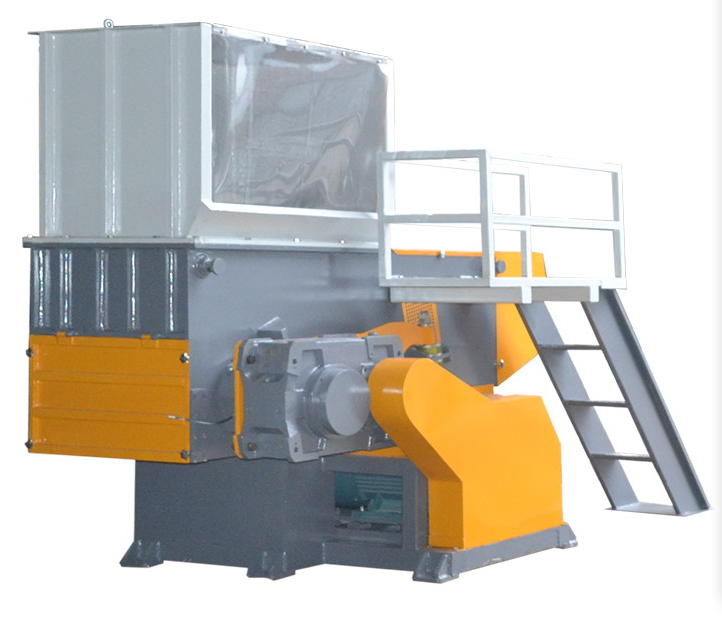
A toy factory can generate runners, sprues, rejected mouldings, trimming waste and bulky assembled parts. These streams do not automatically belong in one recycling loop. Polymer, color, paint, metal inserts and product-quality rules determine what can return to production.
I avoid promising complete recovery for every scrap stream. A reliable closed loop begins with traceability and quality approval, then selects the crusher or shredder around each approved material stream.
Separate Scrap Before Selecting Equipment
| Scrap stream | Control question | Possible route |
|---|---|---|
| Clean runners and sprues | Are polymer and color clearly identified? | Beside-machine granulation and controlled blending |
| Rejected moulded parts | Are coatings, labels or inserts present? | Inspection, separation and size reduction |
| Bulky toy housings | Will the part fit the chamber safely? | Primary shredding followed by granulation where needed |
| Mixed floor scrap | Can contamination be traced and removed? | Separate recovery route rather than direct return |
| Purged or heat-damaged material | Does quality approve reuse? | Tested secondary route or external handling |
Match Granulation and Shredding to the Scrap
The WS650 low-noise plastic crusher can be reviewed for clean runners, sprues and smaller production scrap near injection moulding cells. Large hollow toys, thick housings or bundled parts may require a single-shaft shredder before final granulation.
The route must account for the largest part, metal content, target flake, dust, noise, conveying and cleaning between colors or polymers.
Control Regrind Quality and Traceability
- Identify polymer and color at the source.
- Use labeled containers and defined transfer routes.
- Prevent painted, dirty or metal-containing parts from entering the wrong loop.
- Set quality-approved blending limits by product.
- Record batches, changeovers and rejected regrind.
- Inspect knives, screens and dust controls on a planned schedule.
Frequently Asked Questions
Can all toy production scrap return to injection moulding?
No. Reuse depends on polymer compatibility, contamination, color, product requirements and the factory’s quality approval.
When is a shredder needed before a crusher?
It is considered for bulky, irregular or thick parts that cannot be presented safely and consistently to a granulator.
How can color contamination be reduced?
Use source segregation, labeled containers, documented changeovers and cleaning procedures for the machine and conveying path.
Does a smaller screen produce better regrind?
Not automatically. It may increase recirculation, heat and fines. Select the screen around the moulding and blending requirements.
What information is needed for a closed-loop proposal?
Send polymer, scrap photos, maximum dimensions, hourly volume, contamination, approved reuse rules, target flake and production layout.
Request a Scrap-Flow Review
Use the AMIGE inquiry page to send representative scrap streams and layout details. We will separate beside-machine granulation from bulky-part shredding before recommending equipment.