I’ve seen it too often—images of plastic waste choking rivers, littering coastlines, and clogging city drains in Africa. It’s painful to watch, especially when I know that same plastic could be turned into valuable products. But the truth is, while the waste problem is urgent, the opportunity is massive. And Africa? It’s on the rise, one crushed bottle at a time.
The plastic recycling industry in African countries is growing fast—fueled by local innovation, international partnerships, and rising environmental awareness. While infrastructure and regulation remain uneven, many nations are building resilient systems that turn waste into wealth.
If you’re wondering whether Africa is the next big frontier for recycling, the short answer is: yes, and it’s already happening.
Why is plastic recycling growing in Africa?
Because necessity breeds innovation.
Many African cities are overwhelmed by plastic waste. Traditional waste systems can’t keep up, and public health suffers. That’s the pain.
But here comes the solution—entrepreneurs, NGOs, and even government programs stepping in to build recycling ecosystems from scratch.
For example, South Africa leads the continent, recycling nearly 45% of its plastic waste annually. Nigeria, Kenya, and Ghana are catching up, thanks to policy pushes and private investments.
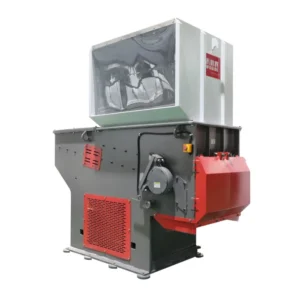
In my experience, when the informal sector and small recyclers are empowered with the right tools—like a solid plastic shredder—they don’t just survive. They thrive.
Which countries are leading the charge?
Let’s name names.
-
South Africa: The giant of African recycling. It has formal collection systems, extended producer responsibility (EPR), and even plastic roads.
-
Kenya: Famous for its 2017 plastic bag ban, it’s also nurturing startups that convert waste into building materials.
-
Ghana: Through the Accra Circular Economy Initiative, it’s drawing international funding to build plastic recovery centers.
-
Nigeria: With over 200 million people, it’s both a plastic hotspot and a booming recycling market. Local brands are pushing PET recycling to meet corporate sustainability goals.
I’ve worked with clients in Lagos who run small crushing lines with incredible efficiency—sometimes using secondhand equipment and still churning out flakes that rival European quality.
What are the main challenges?
Let’s not sugarcoat it.
Africa’s plastic recycling industry faces real hurdles:
-
Infrastructure gaps – Limited waste collection in rural areas.
-
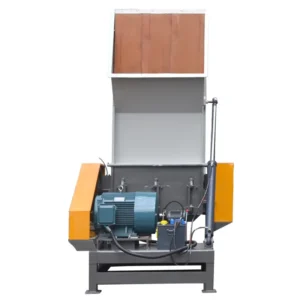
Unstable electricity – Crushing machines need juice, and outages are common.
-
Lack of regulation – Few countries have national EPR or recycling quotas.
-
Import dependency – Many recyclers still rely on imported shredders and washers.
-
Funding bottlenecks – Startups often lack access to capital for equipment.
One of our clients in Senegal told me he uses a diesel generator and solar panels to run his machines—because you never know when the power will cut. That’s grit.
But despite the challenges, the momentum is undeniable.
How is the informal sector playing a role?
This is where it gets inspiring.
Across Africa, informal waste pickers form the backbone of plastic recycling. In fact, they collect 80% or more of all recyclable plastic in some cities.
They roam markets, sort through dumps, and sell to middlemen or directly to recyclers. With basic training and tools—like hand-operated crushers or simple balers—they become micro-recyclers.
Organizations like Wecyclers in Nigeria and TakaTaka Solutions in Kenya are integrating these workers into formal systems. It’s not just about recycling—it’s about dignity, jobs, and economic inclusion.
We’ve even shipped compact crushing machines designed specifically for these operators. It’s one of the things I’m most proud of.
What types of plastic are being recycled the most?
Not all plastics are created equal.
In Africa, the most commonly recycled materials include:
-
PET (like water bottles) – High value and demand
-
HDPE (shampoo bottles, milk jugs) – Durable and easy to sort
-
LDPE (plastic bags and films) – Harder to process but growing
-
PP (caps, crates) – Valuable in industrial applications
These plastics often end up as:
-
Flakes for export
-
Pellets for local manufacturing
-
Construction products (tiles, bricks)
-
Textile fibers (especially from PET)
Some recyclers in Rwanda are even experimenting with turning recycled plastic into roads. I call that turning trash into infrastructure.
How are global partnerships influencing the industry?
No one recycles alone anymore.
African nations are working with:
-
UNDP and World Bank – For funding and capacity building
-
Private investors – From China, Europe, and the U.S.
-
Multinational brands – Who need to meet global recycling targets
-
NGOs – Providing tech, training, and market access
For example, the Africa Plastics Recycling Alliance, formed by major consumer brands, aims to boost recycling across the continent.
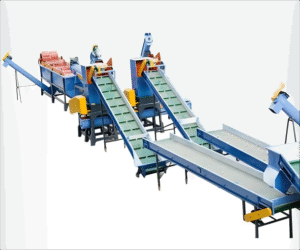
At Amige, we’ve partnered with East African buyers looking to build semi-automatic lines. They import the machines from us, we help install and train, and boom—clean PET flakes in 60 days.
That’s what I call win-win (with a side of crushed plastic).
What’s the future outlook?
Bright. And not just from the equatorial sun.
The African Development Bank predicts that the continent’s waste management industry will be worth $8 billion by 2030. That includes plastics, organics, metals, and more.
Plastic recycling will be a big slice of that pie.
Here’s what I see coming:
-
Rise of tech-driven sorting and crushing lines
-
Increased localization of machinery manufacturing
-
Digital marketplaces for plastic trade
-
AI-based waste tracking and route planning
-
More women-led recycling enterprises
And yes, we’re already working on a compact mobile shredder that fits in a tuk-tuk. Watch this space.
What role can companies like Amige play?
This is personal for me.
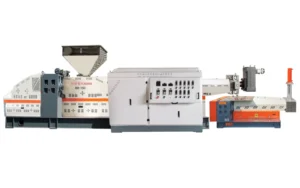
At Amige, we don’t just sell plastic crushing machines—we empower recyclers. And in Africa, we’ve found some of the most resourceful, determined partners out there.
Here’s what we bring to the table:
-
Durable machines built for tough conditions
-
Custom setups for power constraints
-
Training and maintenance support
-
Flexible financing plans for startups
-
Collaboration on education and awareness projects
We’ve worked with recyclers from Nairobi to Accra, helping them transform junk into jobs. When a machine we built powers a village co-op, that’s more than business—it’s legacy.
Want to collaborate? Let’s make waste a thing of the past.
Conclusion
Africa’s plastic recycling industry is not just growing—it’s evolving. Driven by need, innovation, and people who see opportunity in waste, this continent is showing the world how circular economy thinking can take root anywhere. The machines are humming, the flakes are flying, and the future looks cleaner.