Plastic waste. It’s everywhere — clogging oceans, jamming landfills, haunting corporate sustainability reports. And Japan? They’ve been producing mountains of it for years. But now, the pressure’s on. Land is scarce, exports are limited, and global eyes are watching. For Japanese cities and industries alike, finding new, cleaner ways to manage plastic has gone from “someday” to “right now.” And guess what? They’re not sitting still — they’re innovating. That’s what caught my attention as CEO of Amige.
Japan is now using advanced sorting, chemical recycling, AI-driven systems, and decentralized micro-recycling hubs to tackle plastic waste more efficiently. These new methods reduce landfill use, improve material recovery rates, and set a global benchmark in smart plastic waste management.
If you’re in recycling or manufacturing like me, what Japan’s doing is more than just interesting — it’s a masterclass. Let’s break it down together.
Why has Japan shifted its plastic waste strategy?
It all started with a disruption.
Back in 2018, China stopped importing plastic waste — and Japan, which exported over 1.5 million tons annually, was suddenly stuck with it all. Domestic landfills filled up. Municipal waste programs struggled. Citizens and companies demanded answers.
According to this Japan Plastic Waste Crisis Overview, Japan had to pivot — fast.
So, they did what they do best: combined precision, tech, and policy. The result? A new generation of waste strategies now influencing the rest of Asia.
How does Japan sort its plastic waste more effectively?
Japan’s first major move was optimizing the front line — sorting.
In most Japanese cities, plastic waste is now sorted into combustible, non-combustible, and recyclable plastics, down to types like PET, PS, and PVC.
But here’s the twist: it’s not just about human discipline (though they are impressively strict). AI and robotics have entered the scene.
Facilities now use image recognition, infrared scanners, and robotic arms to identify plastic types with pinpoint accuracy — achieving recovery rates above 80%.
What is chemical recycling and how is Japan using it?
This is where things get nerdy — and brilliant.
Unlike traditional mechanical recycling, chemical recycling breaks plastics down to their molecular building blocks. It’s how you turn a dirty candy wrapper back into pristine plastic resin.
Japanese giants like JEPLAN and Asahi Kasei are now operating chemical recycling plants that:
-
Depolymerize PET back into monomers
-
Convert plastics into oils or gases
-
Upcycle mixed, dirty waste
This chemical recycling pilot success report shows Japan recovering plastics once thought unrecyclable.
I’m a tech guy. And let me tell you — this is the future.
What role does energy recovery play in Japan’s plastic strategy?
Here’s the spicy debate: waste-to-energy.
While some say it’s not “real recycling,” Japan has embraced high-efficiency incineration with energy recovery as a transitional solution. Over 60% of non-recyclable plastic is burned — but in ultra-clean incinerators that generate electricity and heat.
It’s not ideal, but in land-scarce Japan, it’s practical. These systems are regulated under strict emissions standards.
Refer to this Waste-to-Energy in Japan: Efficiency and Emissions Study.
It’s not the end goal — but it keeps the trash mountain from growing while better systems scale up.
How is Japan encouraging decentralized recycling?
Here’s one that made me raise my eyebrows.
Instead of building mega-plants alone, Japan is promoting micro-recycling centers — small, local units installed in supermarkets, offices, and communities. These machines crush, melt, and reform plastic right on site.
Companies like TBM are pioneering LIMEX, a plastic alternative made from limestone, and collecting it in local bins. Others are building desktop recyclers that turn PET bottles into usable filament.
It’s recycling at neighborhood scale. And honestly? It’s brilliant.
Are Japanese companies involved in corporate plastic recycling?
Oh, absolutely.
In Japan, it’s not just the public sector driving innovation. Companies are now required to report and reduce their plastic footprint under national policy. So, brands like:
-
UNIQLO collect used clothing for material recovery
-
Suntory uses 100% recycled PET in beverage bottles
-
Toyota recycles industrial plastic scrap in-house
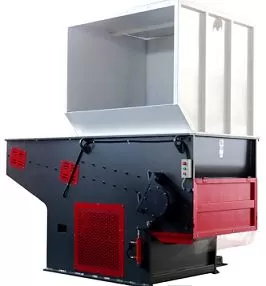
Our clients in Japan have integrated Amige plastic crushing machines to process post-production waste right on-site. One food tray factory even reuses flakes directly in thermoforming — zero landfill.
How does Japan educate and engage the public?
This is where Japan really flexes.
They’ve turned plastic literacy into a national habit. Schools, city offices, even anime characters are involved in waste education.
Municipal flyers explain sorting rules in cartoon form. Apps remind residents of “Plastic Day.” Some vending machines now accept used bottles as payment.
Cultural alignment is everything. That’s why the system works — it’s not top-down only. It’s everyone, everywhere, every day.
If you want to geek out: Japan’s Plastic Education Model is worth a look.
What can we learn from Japan’s plastic waste methods?
Here’s my takeaway — and trust me, I see plastic recycling from China to Chile:
-
Precision matters. Japan’s sorting is second to none.
-
Technology scales. AI and chemical recycling are real.
-
Cultural buy-in works. Recycling is not just a policy, it’s a mindset.
At Amige, we’ve begun adapting some of these strategies in our own designs. We’ve added smart sensors, modular designs, and are exploring localized micro-crushing units for urban clients.
Because if Japan’s leading the way — we’d be smart to follow.
What’s next for plastic waste innovation in Japan?
The journey isn’t over.
Japan is now investing in:
-
Biodegradable plastics
-
AI-powered waste analytics
-
Cross-border recycling alliances
They’re building not just new systems — but new materials, new business models, and even new behaviors.
According to this Japanese Ministry of Environment Roadmap, by 2035, nearly 100% of plastic waste will be recycled or recovered.
Ambitious? Yes. But if anyone can pull it off, it’s the folks who gave us bullet trains, precision sushi, and toilets that sing.
Conclusion
Japan’s new plastic waste solutions blend tech, policy, and culture into a powerful system. From smart sorting to chemical recycling, they’re showing the world how to manage plastic with precision — and purpose. As someone in the industry, I say: watch, learn, and adapt.