China has long been the world’s largest plastic producer—and consumer. That means a mountain of plastic waste we have to deal with. But while the problem is massive, so is the opportunity. Outdated recycling methods simply can’t keep up with the complexity and volume of modern plastic waste. We need breakthroughs. Urgently. And guess what? They’re finally happening.
China’s plastic recycling technology is making major breakthroughs—think AI-powered sorting, chemical recycling, and smarter crushing systems. These innovations improve efficiency, reduce contamination, and allow us to recycle more types of plastics than ever before. We’re entering a new era of cleaner, faster, and smarter plastic recovery.
Curious how all this works from the inside? Buckle up—I’m the CEO of Amige, and I live in the fast lane of plastic crushing tech.
What’s driving the demand for innovation in plastic recycling?
Let’s start with the pressure cooker we’re in.
Each year, China generates over 60 million tons of plastic waste. And while we’ve banned foreign waste imports, domestic waste is a different beast. It’s often contaminated, mixed, and difficult to recycle.
At the same time, new regulations are cracking down on single-use plastics, and recycled content quotas are being introduced in packaging and manufacturing. So, companies are under pressure to find high-quality recycled material—or else.
That’s where innovation becomes survival.
What are the latest innovations in plastic sorting?
Sorting is where everything begins—and where many recycling attempts end in failure.
Traditional systems rely on manual labor and basic mechanical separation. But now, China is adopting AI-powered optical sorting machines that:
-
Identify plastic types with hyperspectral imaging
-
Sort by color, density, and polymer type
-
Improve purity levels to over 95%
These machines can even detect multilayer packaging and black plastics (which used to be invisible to traditional scanners). It’s like giving your recycling line Terminator-level vision.
How is chemical recycling changing the game?
Mechanical recycling is great—until it’s not.
Many plastics, like multilayer film or heavily contaminated materials, just can’t be recycled the traditional way. That’s where chemical recycling steps in.
Chemical recycling breaks plastic down into its molecular building blocks. Think depolymerization, pyrolysis, or solvent-based separation. Once broken down, the material can be rebuilt into like-new plastic, regardless of original quality.
In China, pilot projects in Guangdong, Zhejiang, and Shandong are showing promising results. Some plants are even turning low-grade film into diesel and wax.
It’s not cheap. Yet. But it’s powerful.
What’s new in plastic crushing technology?
Now we’re in my territory.
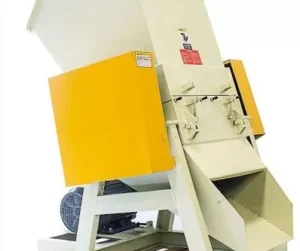
Crushing isn’t just about smashing plastic—it’s about preparing it for the next step. And we’ve come a long way from the old-school blade-and-motor setup.
At Amige, we’ve rolled out:
-
Smart shredders with sensor-based load detection and energy optimization
-
Low-noise crushers for urban recycling centers
-
Integrated washing and crushing lines that reduce footprint and labor
-
Modular blade systems that can adapt to different plastics in seconds
These aren’t just improvements—they’re efficiency boosters, helping clients increase output by 30% or more.
How is data helping optimize the recycling process?
One word: digitization.
Recycling plants are turning into smart factories, using:
-
IoT sensors to track machine health and prevent breakdowns
-
Real-time monitoring dashboards to measure contamination, throughput, and purity
-
Big data analytics to forecast material flow and reduce downtime
Our machines now come with cloud-based monitoring systems. I can tell from my phone in Shanghai if a crusher in Hubei needs blade maintenance.
It’s not just cool tech. It’s cost-saving, material-saving, and time-saving.
What role is policy playing in pushing tech forward?
Innovation doesn’t happen in a vacuum.
In 2020, China launched the “14th Five-Year Plan for Circular Economy”, which emphasizes plastic recycling infrastructure, tech upgrades, and regional pilot zones.
These policies aren’t just paperwork. They come with funding for:
-
High-efficiency recycling projects
-
Green product certifications
-
Technology transformation subsidies for recycling firms
That means more private investment, faster adoption of cutting-edge systems, and—most importantly—confidence from recyclers like us to keep innovating.

Are these breakthroughs reaching rural areas and small recyclers?
This used to be a gap—but it’s closing fast.
Thanks to modular recycling equipment and mobile solutions, small-scale recyclers can now access advanced tech without spending millions.
We’ve helped set up mini crushing lines in rural Anhui and Henan. These units:
-
Fit in a container
-
Run on low energy
-
Crush everything from film to PP buckets
And because of government rural revitalization incentives, these setups often get partial funding.
Now, even the smallest village can be part of the circular economy.
What challenges still remain?
We’ve made great progress—but let’s not sugarcoat it.
We still face:
-
Low plastic waste collection rates in certain regions
-
High contamination levels from mixed or food-soiled waste
-
Market volatility in recycled pellet pricing
-
Technology gaps for complex or low-value plastics
And of course, there’s still the public education problem. Many people don’t sort waste properly or even understand what can be recycled.
Breakthroughs are great—but they only matter if we use them widely and wisely.
What’s next for Amige and China’s plastic recycling tech?
For us? We’re full speed ahead.
We’re working on:
-
AI-assisted blade wear prediction
-
Self-cleaning crushers for sticky or wet plastics
-
Hybrid crushing lines that combine mechanical and chemical pre-treatment
-
Exports of modular lines to Southeast Asia and Africa
China’s not just catching up—we’re starting to lead.
And as the CEO of a company that’s obsessed with plastic crushing (yes, we’re that niche), I can confidently say: we’ve only scratched the surface.
Conclusion
China’s breakthroughs in plastic recycling tech are fast, smart, and game-changing. From AI sorting to crushing innovation, the future isn’t just coming—it’s already here. And we’re building it.