Entering the European market looks attractive. Stable demand. Strong environmental policies. Premium pricing. But many manufacturers underestimate one thing—compliance. I have seen perfectly good machines stopped at customs. Not because of quality. Because of missing or incorrect certifications. That delay is expensive. Storage fees rise. Clients lose patience. Reputation suffers. In this business, technical capability alone is not enough. Documentation is part of your product.
To export plastic crushers to the EU, you must comply with CE marking requirements, including the Machinery Directive, Low Voltage Directive, and EMC Directive. You also need a complete technical file, risk assessment, and Declaration of Conformity. Without these, your machine cannot legally enter or operate in the EU market. Certification is not optional. It is the entry ticket.
I have handled this process many times. It is systematic. But it requires discipline.
Let me walk you through it step by step.
What is CE marking and why does it matter?
CE marking is not a quality badge. It is a legal requirement.
If your crusher does not carry CE marking, it cannot be sold in the EU. Simple as that.
According to EU Market Acess Regulation Guide, over 95% of industrial equipment entering Europe must comply with CE directives.
CE marking confirms that your machine meets:
- Safety requirements
- Health standards
- Environmental protection rules
It is your declaration. Not the government’s.
That is why responsibility sits with the manufacturer.
Which EU directives apply to plastic crushers?
This is where many manufacturers get confused.
Plastic crushers are not governed by one directive. They fall under multiple frameworks.
The key ones include:
- Machinery Directive (2006/42/EC)
- Low Voltage Directive (2014/35/EU)
- Electromagnetic Compatibility (EMC) Directive (2014/30/EU)
Each directive covers a different aspect.
The Machinery Directive focuses on mechanical safety.
The Low Voltage Directive addresses electrical risks.
The EMC Directive ensures your machine does not interfere with other equipment.
Data from EU Compliance Framework Overview shows that incomplete directive coverage is one of the top reasons for certification failure.
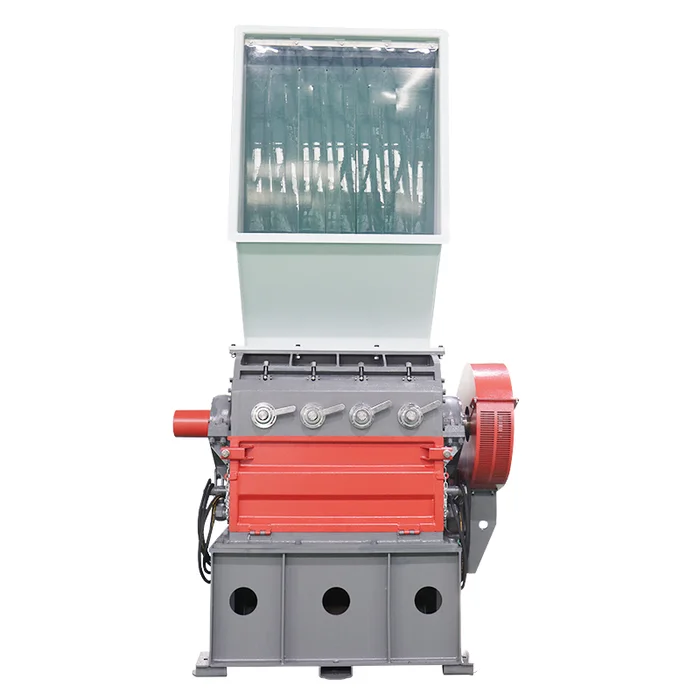
You cannot skip any. Customized Plastic Crusher Machine WHC1000/600
What technical documents are required?
Certification is paperwork-heavy. No shortcuts.
You must prepare a Technical File. This includes:
- General machine description
- Engineering drawings
- Electrical schematics
- Risk assessment report
- Bill of materials
- Test reports
According to Machinery Documentation Standards, authorities may request this file at any time within 10 years of product sale.
That means your documentation must be complete and traceable.
I always tell my team: if it is not documented, it does not exist.
How important is risk assessment?
This is the core of CE compliance.
Risk assessment is not a formality. It is a process.
You must identify:
- Mechanical hazards
- Electrical risks
- Noise levels
- Dust emissions
Then define mitigation measures.
For example:
- Emergency stop systems
- Safety interlocks
- Protective covers
According to Industrial Risk Assessment Study, proper risk mitigation reduces workplace incidents by over 40%.
In Europe, safety is not negotiable.
Do I need third-party certification?
This is a common question.
For most plastic crushers, self-declaration is allowed under CE.
But that does not mean “do it casually.”
You still need:
- Internal testing
- Compliance verification
- Proper documentation
In some cases, especially with complex systems, working with a notified body adds credibility.
According to EU Conformity Assessment Guide, companies using third-party verification reduce rejection risk by 30%.
In my business, we use external audits selectively. Not always. But strategically.
What about electrical and EMC testing?
This is where many machines fail.
Your crusher must pass:
- Electrical safety tests
- Electromagnetic compatibility tests
If your control panel interferes with other devices, it will not pass.
Data from EMC Compliance Report indicates that nearly 25% of industrial machines require redesign after initial EMC testing.
That is why we design with compliance in mind from day one.
Not after production.
What is the Declaration of Conformity?
This is your final statement.
The Declaration of Conformity (DoC) confirms that your machine meets all applicable directives.
It includes:
- Manufacturer details
- Applicable directives
- Harmonized standards used
- Authorized signature
Once signed, you can affix the CE mark.
According to EU Declaration Requirements, incorrect or incomplete DoC is a common compliance failure point.
I personally review this document for key projects.
Because one mistake here can invalidate everything.
How long does the certification process take?
Timing depends on preparation.
If your design is ready and documentation is structured, the process can take:
- 4 to 8 weeks
If not, it can stretch to months.
According to Industrial Cerfificatgion Timeline Study, delayed projects often suffer from incomplete data and redesign cycles.
My advice is simple.
Start compliance at the design stage. Not after production.
That is the difference between smooth export and costly delay.
What mistakes should exporters avoid?
I have seen patterns.
Common mistakes include:
- Treating CE as optional
- Copying documents from other machines
- Ignoring risk assessment
- Using non-compliant electrical components
According to EU Import Rejection Analysis, over 35% of rejected equipment cases involve documentation inconsistencies.
This is avoidable.
But only if you take it seriously.
Conclusion
CE compliance is not a barrier. It is a system. Understand it early. Build your machine around it. Prepare documentation properly. Do this, and the EU market becomes accessible. Ignore it, and your shipment stops at the border.