Every time I travel to Europe for exhibitions, one country always stands out — Spain. The recycling culture there is not just trendy, it’s systematic, scientific, and surprisingly creative. But let’s be honest — Spain wasn’t always this green. So how did this Mediterranean nation transform from plastic waste challenges to becoming a hub of plastic recycling technology innovation? Let’s uncover the story and lessons behind it.
Spain has become one of Europe’s fastest-growing centers for plastic recycling innovation. Through automation, advanced sorting systems, and AI-driven material recognition, Spain has optimized every stage of the recycling process. Its success is driven by collaboration among manufacturers, research institutes, and policy-makers. In short, it’s not luck — it’s engineering, investment, and a clear long-term vision.
I’ve worked in this industry long enough to see trends come and go. But what’s happening in Spain right now? It’s not a passing trend. It’s the future we’re all heading toward.
Why has Spain become a leader in recycling innovation?
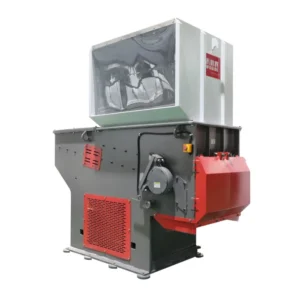
Spain’s environmental policies set the tone early. Since the European Green Deal required all EU members to meet stricter recycling goals, Spain accelerated its efforts to achieve 55% recycling of plastic packaging by 2030 (Big Size Single Shaft Shredder WPS1200). Local governments invested heavily in public-private projects — particularly in Catalonia, Valencia, and Madrid — where recycling clusters started forming around technology centers.
One of the biggest breakthroughs was the adoption of automated sorting technologies. Systems that once relied on manual labor now use optical sensors and AI pattern recognition to identify plastics by polymer type. That increases sorting accuracy from 75% to nearly 98%.
Spain didn’t just copy models from Germany or the Netherlands — it built localized systems suited for its regional infrastructure.
How does AI change the recycling game in Spain?
Here’s where things get interesting. Artificial intelligence is the secret sauce. Many Spanish recycling facilities now use machine learning algorithms to recognize plastic categories by color, texture, and molecular signature.
Companies like Ecoembes and Repsol have teamed up to develop predictive systems that optimize sorting flow and machine maintenance schedules. As someone who manages shredding and crushing equipment, I can tell you — that level of predictive efficiency cuts downtime and saves money.
We’re not just talking about smarter machines. We’re talking about self-learning systems that get better every month.
What about chemical recycling — is Spain investing in it?
Absolutely. Spain’s research into chemical recycling is among the most advanced in Southern Europe. Instead of just melting plastics into pellets, companies are breaking polymers back down into monomers — turning waste into near-virgin quality raw materials.
For instance, Plastic Energy operates one of Europe’s largest pyrolysis plants in Seville, converting mixed plastic waste into synthetic oils (Single Shaft Shredder 1200mm for LDPE film recycling). This process can recover up to 80% of energy value from plastic waste that would otherwise go to landfills.
That’s a game-changer. Chemical recycling bridges the gap between circular economy ideals and industrial practicality.
How do local communities participate in the process?
Spain’s innovation doesn’t only happen inside factories. Citizens are part of the system. Through strong public awareness campaigns and clear waste separation systems, participation rates in recycling have grown dramatically.
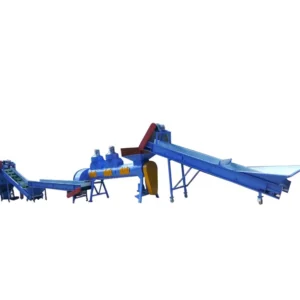
Programs like “Recicla y Gana” (Recycle and Win) reward households and businesses that meet high recycling standards (PET Plastic Bottle Washing/recycling Line/machine/plant). That level of engagement builds trust between citizens and companies.
When I visited a recycling park in Valencia, I saw school tours running through the facility — kids watching crushers and sorters in action. That’s long-term education in motion.
How does Spain’s approach compare with Asia’s?
This is where I see clear contrasts. Asian recycling systems — including China and Southeast Asia — tend to focus on scale and throughput. Spain focuses on precision and integration.
For example, in my factory at Amige Machinery, we build shredders designed for capacity and durability. In Spain, equipment is often designed for data integration — each sensor sends performance data back to a central dashboard. That’s a level of synchronization we’re now aiming to adopt.
While Asia’s cost-efficiency model works, Spain’s data-driven recycling model represents the next level of refinement.
What’s next for Spain’s recycling technology?
Looking ahead, Spain is moving toward decentralized recycling plants — smaller, modular units located closer to waste sources. That means lower logistics costs and faster recycling cycles.
Companies are testing mobile shredding stations that can process plastic directly at collection sites (PET bottle flakes crushing and washing line). This could revolutionize urban recycling and even influence how manufacturers like us design future machinery.
Spain also plans to implement blockchain tracking systems for recycled materials, ensuring traceability from collection to reprocessing. Transparency isn’t a slogan there — it’s part of the process.
What can manufacturers like us learn from Spain?
Three key lessons stand out to me:
Invest in data. The most advanced machines are useless without intelligent feedback loops.
Collaborate across sectors. Spain’s success relies on cooperation between universities, recyclers, and manufacturers.
Educate the market. The public must understand the value of recycling for the system to thrive.
At Amige, we’re exploring similar models — integrating IoT sensors in shredders and crushers, offering smarter maintenance, and building modular recycling lines inspired by what I’ve seen in Spain.
How can global cooperation accelerate progress?
The plastic recycling challenge is global. Spain’s advancements shouldn’t stay in Europe. We need international partnerships that share recycling data standards, joint R&D, and cross-border pilot programs.
Imagine if AI-driven Spanish sorting systems worked alongside Asian large-scale processing plants — that would merge precision with productivity. That’s the future I’m betting on.
And as an equipment manufacturer, I see enormous potential in hybrid technology development — Spanish intelligence, Asian efficiency. That’s the formula to close the loop.
Conclusion
Spain’s innovation in plastic recycling isn’t just technological — it’s cultural. From AI sorting to chemical recycling, Spain proves that precision, collaboration, and citizen engagement can reshape the waste industry. I see in it the model of the future we should all learn from.