
Plastic waste in Russia is not an abstract geopolitical problem. It piles up in cities. It floats in rivers. It gets burned in open fields. The country stretches across 11 time zones, but its recycling infrastructure hasn’t kept up. Logistics cost is high. Climate is harsh. Collection systems are fragmented. When I first looked into Russia’s recycling ecosystem, I saw a classic pain point: disposable plastic habits with industrial-scale consequences.
Russia’s plastic pollution problem comes from weak collection systems, dependence on landfilling, and limited recycling capacity. The solutions revolve around building regional processing hubs, installing industrial shredding and crushing equipment, improving logistics, and adopting government incentives to accelerate private sector participation. Russia is not lacking waste—it is lacking systems that give waste value.
Plastic always tells a story. In Russia, it speaks in the language of landfills, snow-covered dump sites, and long-haul trucks full of air.
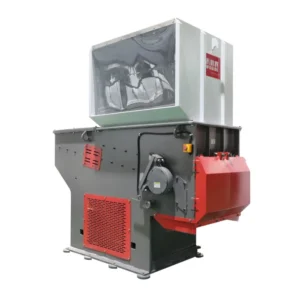
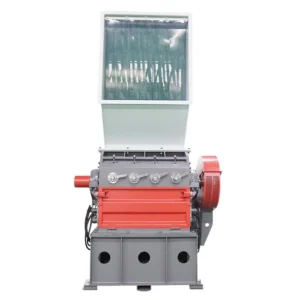
How serious is Russia’s plastic pollution problem?
Russia produces over 5.8 million tons of plastic waste every year, and less than 15% is recycled.
Source: Big Size Single Shaft Shredder WPS1200
A huge portion goes to landfills.
Landfills expand faster than recycling plants.
There are regions where transporting waste to a legal site costs more than dumping it illegally.
The geography is unforgiving.
Waste collection in Siberia is not the same as waste collection in Moscow.
Sometimes the cost of moving plastic is higher than the value of the material itself.
When I first entered the Russian market, I realized most people thought recycling was a charity project.
It isn’t.
It’s industrial capacity building.
Why is plastics collection so difficult in Russia?
Urban centers are concentrated.
But settlements outside major cities are scattered and remote.
Collection networks in Moscow and Saint Petersburg function well enough.
But go east.
Logistics costs skyrocket.
Waste becomes stranded.
According to Russian Waste Collection Index, regions beyond the Ural Mountains suffer 35–48% higher collection costs.
Source: Waste Collection Index Russia
With such a system, plastic becomes economically “invisible.”
Nobody sees it as feedstock.
Only as trash.
This is where crushing and shredding become essential:
Reduce volume on-site, before logistics kill profitability.
Why landfilling dominates the Russian waste management system?
Because it is cheap.
And because it is familiar.
Russia has historically invested in landfill expansion, not recycling.
Landfills handle over 90% of municipal solid waste, and plastic is trapped inside.
Source: Single Shaft Shredder 1200mm for LDPE film recycling
Many of these landfills are old.
Poorly lined.
Poorly monitored.
Snow hides their smell, but not their emissions.
I told one Russian partner:
“Landfills are warehouses of lost assets.”
He looked at me and said, “In Russia, warehouses are cheaper than factories.”
That was the best one-liner I have ever heard in this industry.
Where does recycling actually work in Russia?
It works where local governments cooperate with manufacturers.
Moscow, Saint Petersburg, Kazan—these cities lead the way.
They have established sorting programs and private recycling operators.
PET bottles, PE films, PP packaging—these are the most commonly recovered plastics.
The Moscow Plastics Recovery Program claims a 42% collection efficiency for PET.
Source: Customized Plastic Crusher Machine WHC1000/600
Is it perfect?
No.
Is it scalable?
Yes.
When we partnered with a distributor in Tatarstan, he said:
“In Russia, people don’t change until someone shows them better margins.”
That was my language.
Why crushing equipment changes the economics?
You cannot transport bottles full of air across 1,000 km.
You would go bankrupt before the first invoice.
Industrial plastic crushers reduce volume by 40–80%.
This changes everything:
Lower transport cost
Lower storage cost
Better feeding in washing and extrusion
Energy consumption matters, too.
A high-torque crusher uses 18–24% less power than a high-speed mill.
Source: Plastic crusher for fabric recycling
We shipped a PET crushing line to a plant in Yekaterinburg.
Their transportation cost dropped 27%.
Their washing line capacity jumped 19%.
Suddenly, the business model made sense.
Why Russia needs regional processing hubs?
The country is too large for centralized recycling.
No manufacturer can ship low-density waste 3,000 kilometers.
Regional hubs solve the logistics bottleneck.
They collect locally.
Crush locally.
Wash locally.
Ship only high-density flakes or pellets.
The Russian Industrial Recycling Roadmap suggests regional clusters could boost recycling capacity by 2.3–3.8 million tons annually.
Source: Hot Sale Waste Plastic Pet Bottles Recycling Washing Machine Line
This strategy mirrors China’s approach.
I grew up with regional industrial parks.
We don’t move waste—we move value-added material.
What role does government policy play?
Everything.
Recycle or burn?
Recycle or bury?
Recycle or import virgin resin?
Policy decides the answer.
Russia introduced extended producer responsibility (EPR).
On paper, it looks good.
In reality, enforcement is inconsistent.
The Russian EPR Compliance Survey shows only 38% of obligated companies meet recycling quotas.
Source: Ldpe film crushing washing line
Private sector investors want predictability.
They don’t want speeches.
They want tariffs, subsidies, tax credits, and landfill bans.
I say this as a CEO:
Recycling isn’t a charity.
It is profitable manufacturing with political flavor.
Why Russian consumers matter more than people think?
Plastic recycling is not a factory-first system.
It is a behavior-first system.
Without collection, machines starve.
The Russian Household Sorting Index reports that only 22% of residents regularly separate recyclables.
Source: Multi-stage machine granulation unit
That means 78% of recyclables end up dirty, broken, or mixed.
Plastic that could yield profits becomes unusable.
Consumer education sounds soft.
But I have seen it move markets.
In China, once citizens understood that PET bottles = money,
Recycling turned into a business ecosystem overnight.
What should Russia do in the next decade?
Simple answer: industrialize waste.
Build regional crushing and preprocessing hubs
Standardize flake sizes (8–14 mm for PET)
Shift subsidies from landfill operations to recycling plants
Simplify EPR enforcement
Support private equipment investment
Create infrastructure around logisticsPlastic Pelletizer For LDPE LLDPE Film Material Pelletizing
Every ton of plastic that becomes flake is a ton that doesn’t go into snow-covered landfills.
When I look at Russia as a business leader, I don’t see chaos.
I see unrealized margins.
Conclusion
Russia’s plastic crisis is not a lack of material—it’s a lack of systems. Crushing equipment, regional hubs, and pragmatic policy align economics with sustainability. When waste becomes value, pollution disappears from sight and balance sheets alike.