Plastic waste in Thailand has been a visible problem for years.
Tourism grows.
Consumption grows.
Waste grows faster.
For a long time, disposal relied on landfills and informal recycling.
That model reached its limit.
Environmental pressure increased.
International scrutiny followed.
As someone who has spent decades in plastic size-reduction and recycling machinery, I watched Thailand closely.
Not as an outsider.
But as an industry participant.
Thailand is not reinventing recycling from scratch. Instead, it is combining policy pressure, decentralized processing, and practical plastic shredding solutions into a new, more workable waste-management model. This model focuses on early processing, local value creation, and flexible recycling pathways rather than centralized, high-cost mega systems.
If you want to understand where Southeast Asia is heading, Thailand is a good place to look.
The details matter.
Why Did Thailand Need a New Plastic Waste Model?
Thailand produces millions of tons of plastic waste annually.
Only a portion is recycled.
According to national waste flow estimates, leakage into landfills and the environment has been a long-term issue.
The old model had three weaknesses.
Too centralized.
Too informal.
Too dependent on exports.
When China closed its waste import door, Thailand had no choice.
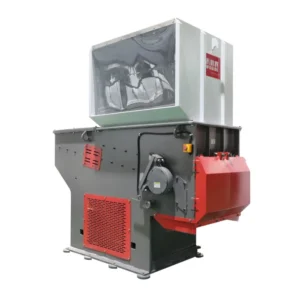
Local processing became mandatory. Big Size Single Shaft Shredder WPS1200
What Defines Thailand’s “New Model”?
From what I observe, Thailand’s new approach has three pillars.
First, waste must be processed early.
Second, processing must be local.
Third, technology must be simple and robust.
This is not about shiny concepts.
It is about survivability.
Policy documents and pilot programs clearly point to decentralized recycling clusters.
For equipment suppliers like us, this changes everything.
How Important Is Plastic Shredding in This Model?
Very important.
Sometimes underestimated.
Thailand’s waste stream is mixed.
Packaging.
Film.
Rigid containers.
Agricultural plastics.
Shredding becomes the universal first step.
Shredders reduce volume.
They stabilize material.
They enable sorting and washing.
Data from regional processing studies shows shredding can reduce logistics costs by over 40%.
That is real money. Shredder Crusher Production Line For Plastic Lumps Recycling
Why Small and Medium Recycling Plants Are Growing?
Thailand is not betting only on mega plants.
Small and medium recyclers are everywhere.
Near cities.
Near farms.
Near industrial zones.
This fits Thailand’s geography and labor structure.
According to SME recycling surveys, smaller plants show faster ROI and higher resilience.
They cannot afford fragile machines.
They need simple, repairable shredders and crushers.
I respect that logic.
What Role Does the Informal Sector Still Play?
A big one.
And Thailand is realistic about it.
Waste pickers are not eliminated.
They are integrated.
Shredding centers buy sorted waste directly.
Middlemen shrink.
Efficiency improves.
Studies on informal sector integration show higher collection rates when informal workers are included.
Ignoring reality never works.
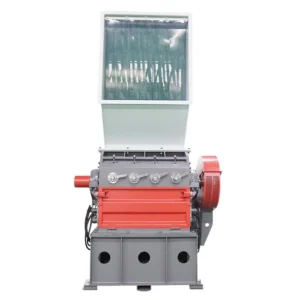
Thailand chose cooperation. Customized Plastic Crusher Machine WHC1000/600
How Is Government Policy Guiding This Shift?
Policy pressure is steady, not radical.
Plastic bans.
EPR discussions.
Local processing incentives.
Thailand’s environmental roadmap pushes reduction and recycling simultaneously.
The key point is consistency.
Businesses can plan.
Investments make sense.
Unstable policy kills recycling faster than low prices.
Is Washing Always Required in Thailand’s Model?
No.
And this is smart.
Not all plastics are washed.
Some are shredded and sold as industrial feedstock.
Washing lines are expensive.
Water is not free.
Many Thai recyclers focus on clean industrial scrap and agricultural plastics.
Shredding alone creates value.
Processing flexibility is a strength, not a compromise. Plastic Crusher With Feeding And Discharging For Plastic Bottle Recycling
How Does Energy Cost Influence Equipment Choices?
Energy prices matter in Thailand.
Margins are tight.
Overpowered machines are avoided.
Efficiency wins.
Energy benchmarking data shows efficient shredders significantly reduce operating cost per ton.
This aligns with our design philosophy.
Less noise.
Less waste.
More uptime.
What Materials Drive Profit in Thailand?
PET bottles are common.
But margins are thin.
HDPE, PP, and agricultural films often perform better.
Market flow analysis shows stable demand from local manufacturers.
Export dependency is decreasing.
Domestic consumption is rising.
This stabilizes the whole system.
How Does Thailand Compare to Western Models?
Western systems are centralized.
Capital intensive.
Policy heavy.
Thailand’s model is pragmatic.
Decentralized.
Cost conscious.
Neither is perfect.
But Thailand’s approach fits its reality.
I have learned one thing in this industry.
Copying foreign models blindly is expensive. Waste Plastic Pet Bottles Recycling Washing Machine Line/crushing Washing Drying Plant With Good Price
What Mistakes Are Still Common?
I see three recurring issues.
Underestimating contamination.
Skipping maintenance.
Buying oversized machines.
These mistakes exist everywhere.
Thailand is not special.
But learning speed is improving.
That matters.
Experience accumulates quietly.
My View as a Long-Term Equipment Supplier
We do not chase trends.
We follow operators.
Thai clients value stability.
They value honest machines.
When a shredder runs five years without drama, that is success.
Not brochures.
Recycling is not about headlines.
It is about daily operation. Plastic Washing Line For Rigid Material Recycling
Where Is Thailand’s Plastic Waste Model Heading?
Toward refinement.
Not revolution.
Better sorting.
Smarter shredding.
Local circular loops.
Forecasts for ASEAN recycling systems suggest steady growth, not explosive change.
That is healthy.
That is sustainable.
Conclusion
Thailand’s plastic waste management model is practical, decentralized, and equipment-driven.
By focusing on early processing and local value creation, it offers lessons many markets should study carefully.