I have watched markets rise and fall. Southeast Asia today feels different. Orders are not occasional anymore. They are continuous. Containers are booked weeks in advance. Clients are not asking “if” they should invest. They are asking “how fast” they can install. The problem is clear. Waste is piling up. Manual sorting is no longer enough. Without efficient crushing and washing systems, recycling businesses simply cannot scale. And when scaling stops, profits shrink. No one wants that.
Imports of crushing and washing equipment in Southeast Asia are reaching record highs due to rapid waste generation, stricter environmental regulations, and increasing demand for high-quality recycled plastics. Businesses are investing in advanced systems to improve efficiency, meet compliance standards, and capture higher-value recycled materials in a competitive market.
I see this not in reports, but in shipping schedules, factory queues, and client urgency.
What Is Driving This Import Surge?
The answer is not single. It is layered.
Population growth. Urbanization. Industrial expansion.
All three generate plastic waste. Fast.
According to regional tracking data, imports of plastic recycling machinery have increased by over 35% year-on-year.
That is not incremental. That is acceleration.
Local capacity cannot keep up. So companies import.
And they import aggressively.
Why Crushing and Washing Equipment Specifically?
Because shredding alone is not enough.
Crushing reduces size. Washing improves quality.
Without washing, recycled plastic remains contaminated.
Contamination reduces value.
From market pricing analysis, clean flakes can be priced 20–50% higher than unwashed materials.
That gap drives investment.
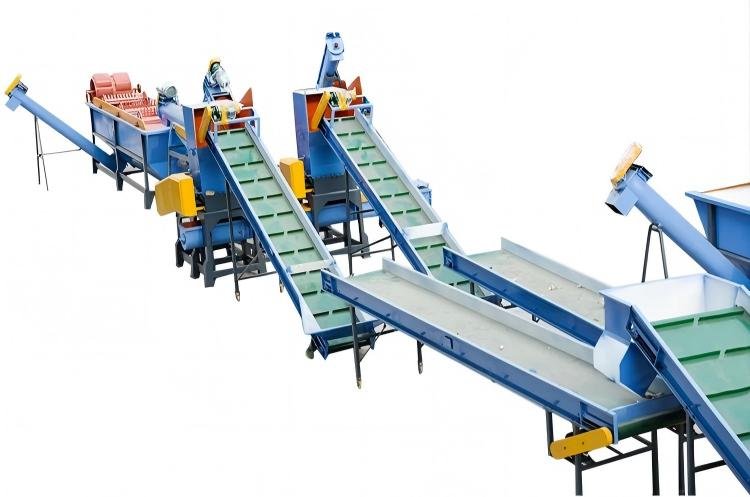
Clients want better margins. Washing systems deliver that. Fully Automatic PET Bottle Recycling Washing Line
Which Countries Are Leading the Demand?
From what I see, three markets stand out:
- Vietnam
- Malaysia
- Indonesia
Vietnam leads in manufacturing growth.
Malaysia leads in regulatory enforcement.
Indonesia leads in volume.
Each has different drivers. But the same conclusion.
They all need better recycling infrastructure.
Trade data confirms this trend.
How Do Regulations Accelerate Equipment Imports?
Regulation is the strongest trigger.
Once policies tighten, investment follows.
Vietnam’s EPR framework is pushing producers to manage waste.
Malaysia is enforcing stricter plastic waste handling standards.
Compliance is not optional anymore.
Companies must upgrade their systems.
And upgrading often means importing advanced equipment.
What Role Does Export Demand Play?
This is an important factor.
Recycled plastic is not just for local use.
It is exported.
Buyers in Europe and the US demand higher quality.
Low contamination. Consistent size.
To meet those standards, local recyclers must upgrade.
According to export quality requirements, washing efficiency directly affects acceptance rates.
No washing. No export.
Simple logic.
Why Are Local Machines Not Enough?
This is a sensitive topic. But I prefer honesty.
Local machines exist. But performance varies.
Many lack:
- Stable operation
- Efficient washing systems
- Durable components
Clients come to us after experiencing issues.
Downtime. Poor cleaning results. High water consumption.
They realize cheap machines cost more long-term.
That is when imports increase.
Not because of preference. Because of necessity.
What Features Do Buyers Now Expect?
The market has matured.
Buyers are no longer satisfied with basic machines.
They want:
- High throughput
- Low energy consumption
- Efficient water recycling
- Consistent output quality
From our internal sales data, over 60% of clients now request complete washing lines, not standalone crushers.
This is a shift from equipment purchase to system investment.
How Are We Positioning Ourselves?
We do not compete on price alone.
We compete on reliability.
At Amige, we focus on:
- Integrated crushing and washing systems
- Optimized water circulation
- Durable machine structures
We also test materials before delivery.
We simulate real conditions.
This reduces surprises.
And builds long-term partnerships.
I prefer one satisfied client over ten short-term deals.
What Is My Outlook for Southeast Asia?
Growth will continue. That is certain.
But the market will become more selective.
Low-quality suppliers will struggle.
Professional players will expand.
Recycling is no longer informal.
It is becoming industrial.
And industrial markets demand industrial-grade equipment.
Those who understand this will succeed.
Those who ignore it will fade out.
Conclusion
Southeast Asia’s record imports of crushing and washing equipment reflect structural demand, not temporary growth. Regulations, export standards, and profitability drive this shift. The market is upgrading fast. Only reliable, efficient systems will remain competitive.