
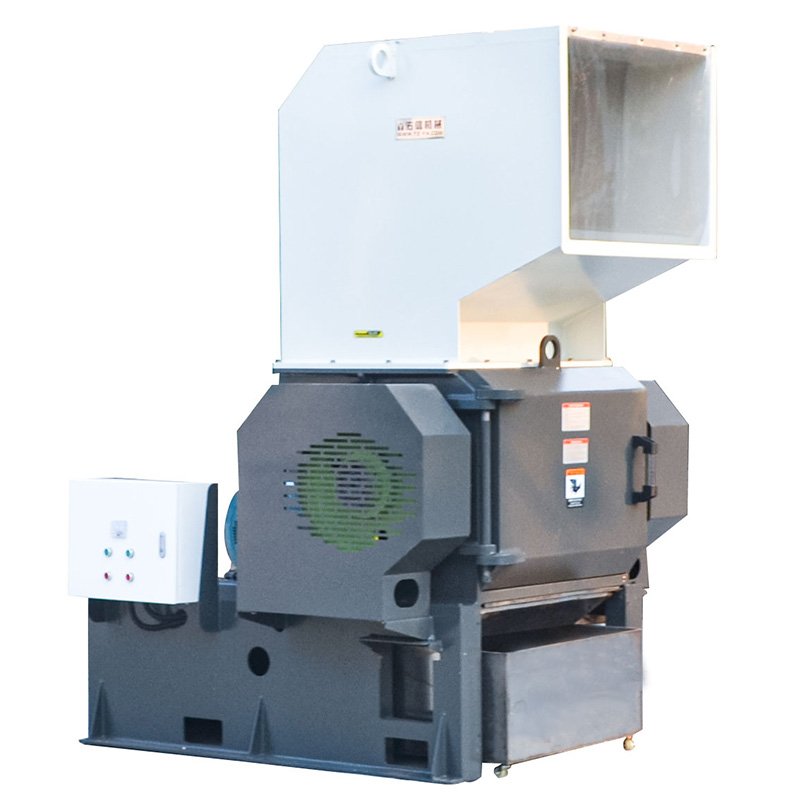
Plastic crusher blade replacement should be evaluated as a controlled maintenance task, not as a headline number. A short advertised change time says little unless it includes isolation, cleaning, lifting, inspection, alignment, fastener control and a safe restart.
I recommend asking the supplier to demonstrate the complete procedure using the blade set and tools intended for your machine. The goal is repeatable maintenance with documented acceptance, not a rushed record.
Define the Complete Blade-Change Scope
| Maintenance stage | Required record | Acceptance point |
|---|---|---|
| Isolation and access | Site-approved isolation steps | Stored energy controlled before access |
| Removal | Tooling and lifting method | Blades and nearby parts removed without damage |
| Cleaning and inspection | Seat, rotor and fastener condition | No trapped debris or unresolved damage |
| Installation and alignment | Blade identity, position and clearance | Setup matches the approved specification |
| Fastener control | Specified tightening method and record | All fasteners accounted for and verified |
| Restart | Manual check and controlled trial | No contact, abnormal vibration or unresolved alarm |
Review Maintenance Access and Handling
The buyer should check how guards open, how heavy components are supported and whether tools can reach each fastener without unsafe body position. A lifting point or fixture may be more important than saving a few minutes in a staged demonstration.
For the WS650 low-noise high-power crusher or any other model, confirm the actual blade count, individual component weight, access envelope and required service tools. These details affect staffing, spare-parts planning and the maintenance area around the machine.
Control Alignment, Clearance and Restart
- Identify each blade set and its service history.
- Clean mounting faces before measurement.
- Use the manufacturer-approved clearance and tightening procedure.
- Rotate or check the cutting assembly as specified before powered operation.
- Start with a controlled no-load and representative-material check.
- Record vibration, sound, flake condition and any corrective action.
Maintenance time should be measured only after the scope and safety boundary are agreed. Buyers can then compare machines on the same basis rather than comparing an incomplete demonstration with a full site procedure.
Frequently Asked Questions
Can blade-change time be confirmed from a video?
No. Site isolation, blade size, tooling, cleaning, wear condition and technician experience can all change the total task time.
What should be included with spare crusher blades?
Confirm blade identification, applicable machine model, material or treatment record where provided, drawings or clearances, packaging and storage guidance.
Why is knife clearance checked after installation?
Incorrect clearance can affect cutting, heat, noise, wear and the risk of component contact. Use the approved specification for the machine.
Should fasteners automatically be reused?
Follow the manufacturer-approved inspection and replacement criteria. Do not assume every fastener remains suitable after repeated service.
What should be observed during restart?
Check for contact, abnormal sound, vibration, alarms, leakage and off-spec flake before returning to normal production.
Request a Maintenance-Access Review
Use the AMIGE inquiry page to send the machine model, blade arrangement, material and current maintenance steps. We can review access, tooling, spares and the acceptance checklist before configuration.