Plastic crusher water cooling can be useful when verified process heat affects flake quality or continuous operation, but it should not be treated as an automatic cure for every warm cutting chamber. Dull blades, incorrect clearance, excessive recirculation, restricted discharge or an unsuitable feed rate can create the same symptoms.
I recommend measuring the process first. The cooling decision should identify where heat is generated, where temperature must be monitored and what result the buyer expects to improve.
Diagnose the Heat Source Before Adding Cooling
| Observed symptom | Possible contributor | First verification |
|---|---|---|
| Soft or smeared flake | Material softening in the chamber | Material condition, chamber temperature and residence time |
| Heat increases during a long run | Recirculation or restricted discharge | Screen, open area, feed rate and output flow |
| Temperature rises after blade wear | More rubbing and less effective cutting | Edge condition, clearance and sharpening record |
| Hot bearing area | Lubrication, alignment or bearing load | Follow the approved maintenance inspection |
| Flake sticks in conveying | Material temperature or transfer design | Discharge temperature and conveying path |
Compare Process Changes with Cooling Options
Before specifying a water circuit, review feed control, knife condition, screen selection, airflow, discharge capacity and scheduled pauses. Correcting a cutting or material-flow problem may remove unnecessary heat at its source.
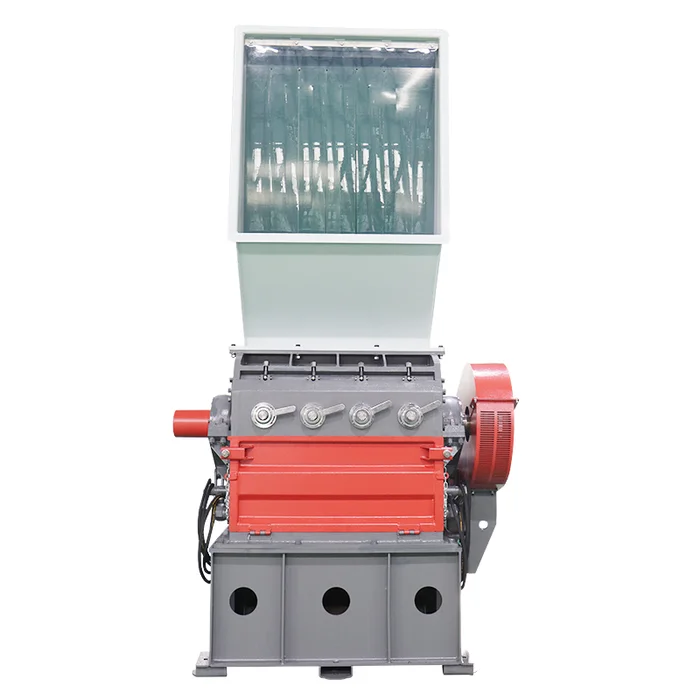
If active cooling remains necessary, define whether the design cools the chamber, shaft area or another component. Water flow, inlet temperature, pressure, connection size, leak detection and local water quality belong in the specification. The WHC800/450 industrial plastic crusher can be reviewed against the actual material and duty cycle rather than assuming one cooling arrangement fits every application.
Specify Monitoring, Maintenance and Acceptance
- Agree on temperature measurement points and instruments.
- Record feed rate, material condition, screen and blade setup.
- Define the continuous test duration before the trial begins.
- Inspect hoses, seals, fittings and drainage access.
- Prevent condensation or leakage from contaminating material.
- Compare usable flake and stable operation, not temperature alone.
The acceptance record should show the starting condition, steady-state observations and shutdown inspection. Any temperature limit must come from the material, component and approved operating procedure for the specific installation.
Frequently Asked Questions
Does every continuous plastic crusher need water cooling?
No. The need depends on material behavior, duty cycle, cutting condition, ambient environment and verified temperature trend.
Can water cooling compensate for dull blades?
It should not replace blade inspection and correct clearance. Worn cutting components can create heat and poor flake even when cooling is present.
Where should temperature be measured?
Measurement points should match the suspected heat source and equipment design. Agree on them with the supplier before testing.
What utilities are needed for a cooling circuit?
Confirm water supply, temperature, pressure, quality, drainage and any chiller or closed-loop requirements at the installation site.
How should a cooling system be accepted?
Run representative material under agreed conditions and record temperature trend, usable output, flake condition, leaks and post-test inspection.
Request a Thermal Process Review
Use the AMIGE inquiry page to send the polymer, feed form, runtime, screen, capacity target and observed heat symptoms. We will review cutting, discharge and cooling as one process.