A new Plastic Shredder can look impressive during a factory test.
Fresh blades. New bearings. Clean hydraulic oil. Everything runs smoothly.
But professional recycling companies do not purchase machinery for a 30-minute demonstration. They expect equipment to work shift after shift, year after year.
During a recent customer follow-up, one long-term AMIGE customer reported that their machine had operated for approximately five years without requiring a major overhaul. Routine maintenance and normal wear-part replacement were still necessary, but the core machine continued supporting daily production.
For us, five years of stable operation is more meaningful than a perfect showroom test. Long-term reliability depends on correct equipment selection, rotor manufacturing, blade configuration, bearings, gearbox matching, electrical protection, preventive maintenance, and spare-parts support. When evaluating a Plastic Recycling Equipment Manufacturer, buyers should therefore look beyond purchase price and ask a more important question: what will this machine be like after thousands of operating hours?
A machine looks new once.
Reliability has to prove itself every working day.
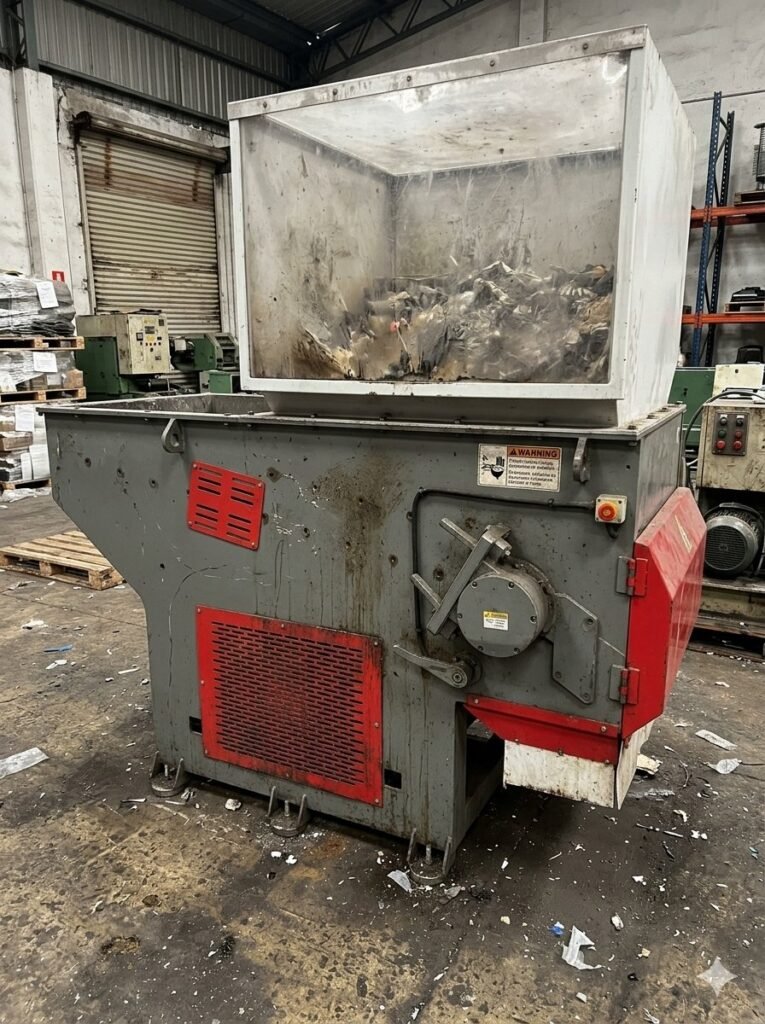
Why Does 5-Year Operating Performance Matter to Plastic Recycling Plants?
A recycling plant earns money when equipment is processing material.
Unexpected downtime costs money through:
- Lost production
- Idle operators
- Delayed deliveries
- Emergency repairs
- Downstream equipment waiting for feed
That is why the real value of an Industrial Plastic Shredder or Plastic Crusher Machine should not be judged only by its purchase price.
Buyers should consider:
Purchase Cost + Maintenance + Spare Parts + Energy + Downtime + Service Life
A machine that costs less initially but requires frequent major repairs may eventually become the more expensive investment.
This is why I prefer discussing lifecycle value with customers.
FOB price tells you what the machine costs before shipment.
Long-term operation tells you what the machine is actually worth.
Industrial Plastic Bottle Shredder WPS1000
Does “No Major Overhaul” Mean the Machine Needed No Maintenance?
Absolutely not.
Industrial machinery requires maintenance.
Blades wear.
Lubricants age.
Screens need inspection.
Bolts need checking.
“No major overhaul” should never be interpreted as “no maintenance.”
Routine work may include:
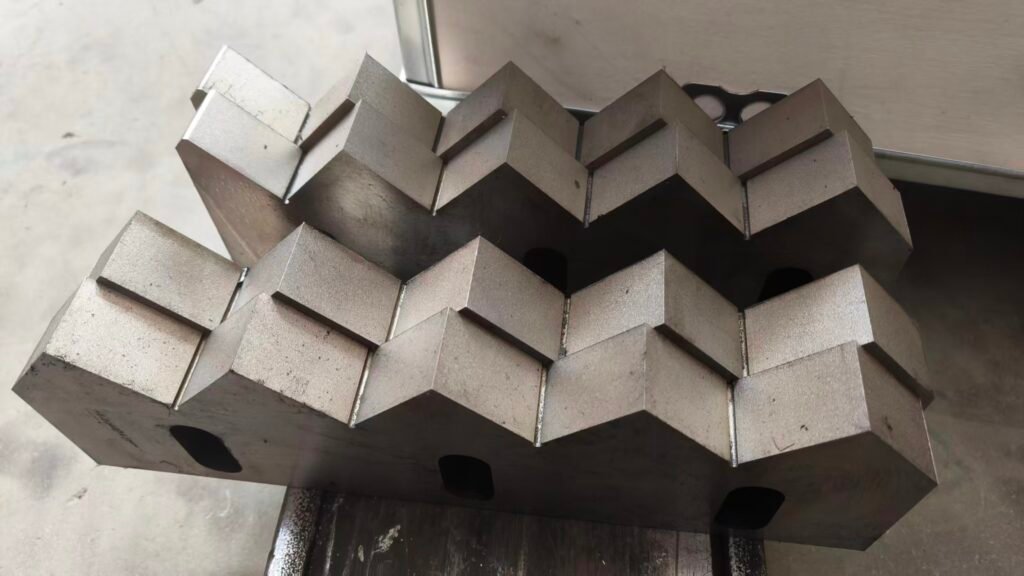
- Blade rotation, sharpening, or replacement
- Screen inspection
- Bearing lubrication
- Hydraulic-system inspection
- Gearbox checks
- Fastener inspection
- Electrical cabinet cleaning
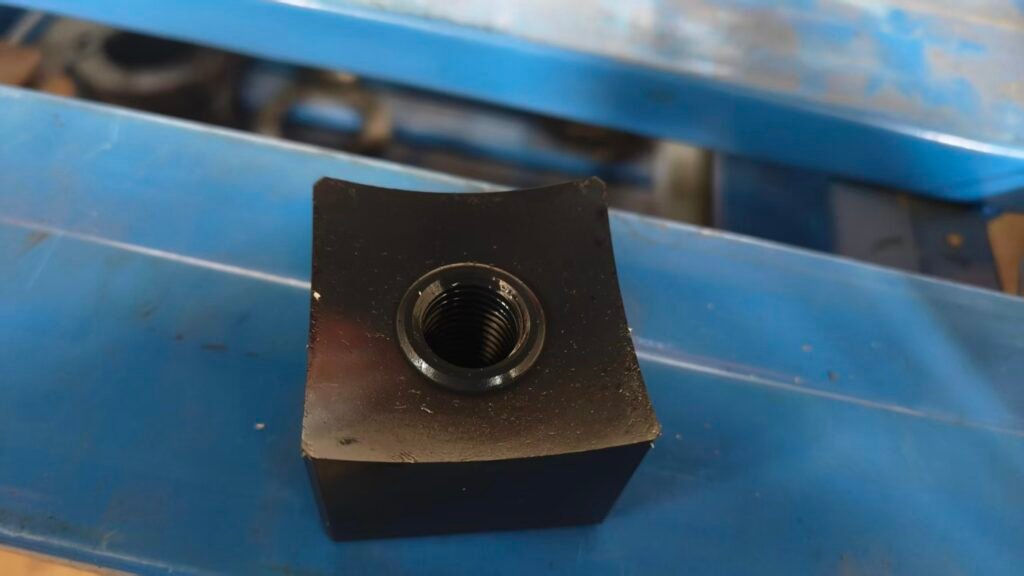
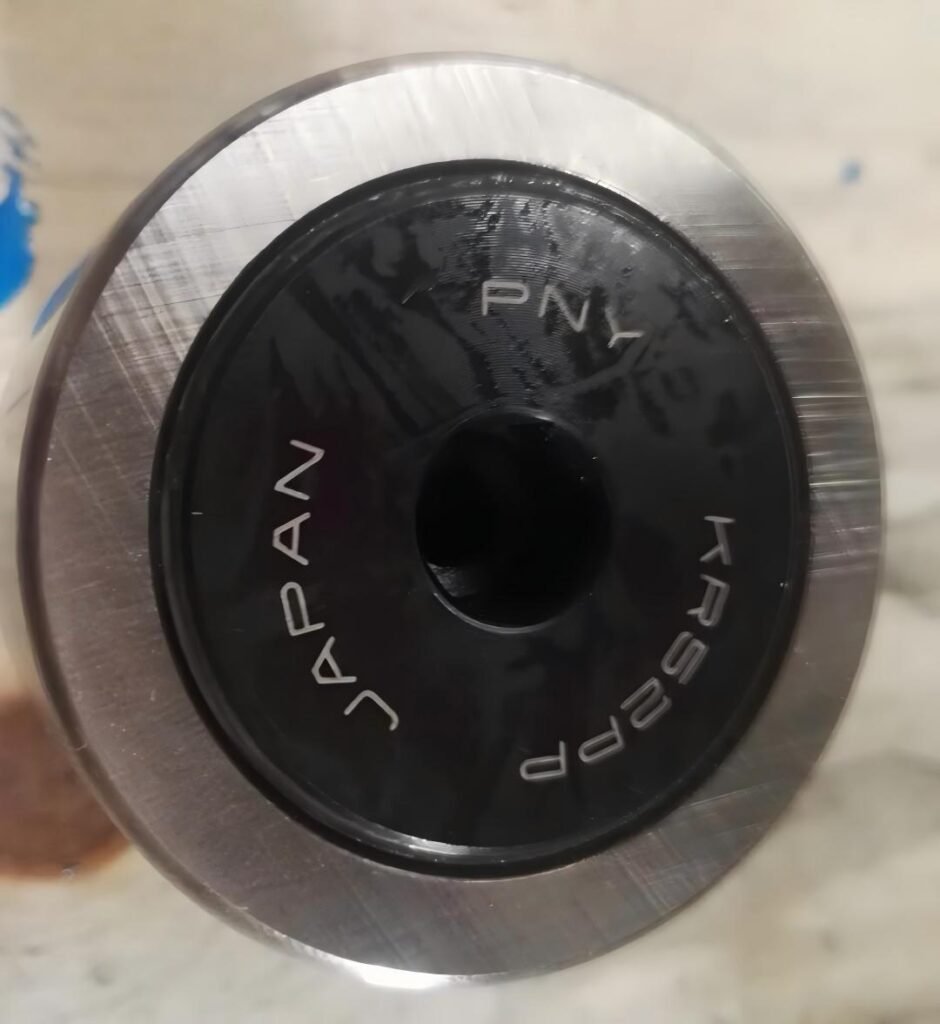
Preventive maintenance is particularly important because blade, screen, bearing, drive-system and hydraulic-pusher condition can directly affect shredder load, throughput and downtime.
For me, the better definition of reliability is:
Predictable Maintenance + Manageable Wear Cost + Minimum Unexpected Downtime
That is what recycling factories actually need.
-1024x575.jpg)
What Makes a Plastic Shredder Reliable for Years?
Long-term stability starts before the machine reaches the customer.
It starts in manufacturing.
Important areas include:
- Rotor machining
- Rotor balance
- Blade installation
- Bearing alignment
- Gearbox matching
- Welding quality
- Machine-frame rigidity
- Electrical protection
- Assembly accuracy
Consider the rotor.
If machining or balance is poor, vibration may increase.
Vibration affects bearings, fasteners, cutting stability, and other mechanical components.
The problem may not become obvious during the first factory test.
After thousands of hours, small manufacturing weaknesses become much less polite.
This is why AMIGE pays attention to machining and assembly—not only final appearance.
Why Does Correct Machine Selection Affect Service Life?
Even a well-built machine can suffer when used for the wrong application.
Consider these materials:
- LDPE film
- PP woven bags
- HDPE pallets
- Thick plastic blocks
- Large pipes
- PET bottles
- Engineering plastics
They do not require identical cutting behavior.
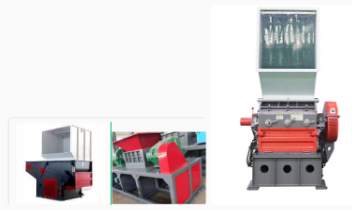
A Single-Shaft Shredder may be suitable when controlled feeding and screen-based output sizing are important.
A Double-Shaft Shredder may be more appropriate for bulky, high-torque primary reduction.
Some materials may require:
Plastic Shredder → Conveyor → Plastic Crusher
instead of forcing one machine to perform both primary and secondary size reduction.
Correct machine selection reduces unnecessary mechanical stress.
That can support longer equipment life and more stable production.
Live Webinar Preview: How Do You Choose the Right Shredder Blade Angle Based on Material Hardness?[
Which Components Should Buyers Examine Before Purchasing?
If you are comparing several Plastic Shredder Manufacturers, do not look only at motor kW and machine weight.
Ask about:
Rotor and Blades
What material will the machine process?
How are blades configured?
Can they be rotated, sharpened, or replaced conveniently?
Bearings and Gearbox
How are they selected for the machine load?
Are replacement parts available?
Screen
How is output size controlled?
How easy is screen replacement?
Hydraulic System
For a Single-Shaft Shredder, how does the pusher coordinate with rotor load?
PLC Control
Does the machine provide overload protection and automatic reverse?
Rotor/cutter condition, bearings, drive systems, screens, feeding systems, and PLC functionality are all common inspection points when evaluating industrial shredders.
Big Size Single Shaft Shredder WPS1200
How Does Preventive Maintenance Protect Your Investment?
A machine often gives warnings before a serious problem develops.
Operators may notice:
- Higher motor current
- Lower throughput
- New vibration
- Unusual noise
- Higher bearing temperature
- Less consistent output
- More frequent overload
These signals should not be ignored.
For example, dull or damaged blades can increase cutting resistance. Screen blockage or damage can also affect load and output consistency. Bearing, drive and hydraulic-pusher condition are other important areas for routine monitoring.
A practical maintenance program therefore protects more than individual parts.
It protects production capacity.
The cheapest major repair is still the one you prevent.
Why Is Spare-Parts Availability Important Five Years Later?
This is particularly important for international buyers.
Imagine your shredder is still mechanically sound after five years.
But you cannot obtain the correct replacement blades.
That is not a reliable equipment strategy.
Before ordering, ask your supplier:
- Can you provide blades several years later?
- Are screens still available?
- Are machine drawings retained?
- Can you identify parts from the machine serial number?
- Can technical support be provided remotely?
Typical spare-parts planning may include:
- Rotor blades
- Fixed knives
- Screens
- Bearings
- Seals
- Hydraulic components
- Electrical components
Maintenance guidance for industrial shredders also recommends planning critical spares so minor wear does not become extended downtime.
For AMIGE, long-term spare-parts support is part of the machine’s lifecycle—not an optional extra.
[IMAGE POSITION 4: AMIGE spare blades, screens and spare-parts package]
What Should Buyers Ask a Plastic Recycling Equipment Manufacturer?
Before choosing a supplier, ask questions that look beyond delivery day.
For example:
1. What materials has this model actually processed?
2. Can I see a real material test?
3. What are the main wear parts?
4. How are blades and screens replaced?
5. What maintenance does the machine require?
6. Can you supply spare parts years later?
7. Can this machine integrate with my future Plastic Recycling Line?
Real throughput testing under load and inspection of cutters, bearings, drive systems and feeding components are useful parts of equipment evaluation.
A professional supplier should be comfortable discussing what happens after the machine becomes old.
Anyone can talk enthusiastically about a brand-new machine.
What Does This 5-Year Customer Feedback Mean for AMIGE?
For me, the most valuable part is simple.
The customer kept producing.
That is what industrial machinery is supposed to do.
This customer feedback reinforces the principles we want AMIGE to represent:
Suitable Equipment + Stable Manufacturing + Practical Maintenance + Spare-Parts Support + Long-Term Service
We do not want customers to remember us because the machine required an exciting repair.
We prefer boring stories:
The machine starts.
The machine works.
Production continues.
For a recycling factory, boring reliability can be very profitable.
Conclusion
Five years of operation without a major overhaul is meaningful because it reflects real factory use, not showroom performance. Long-term reliability comes from correct machine selection, solid manufacturing, preventive maintenance, and spare-parts support. When buying recycling equipment, evaluate not only today’s quotation—but tomorrow’s operating cost.
FAQ
1. How long can a Plastic Shredder normally operate?
There is no universal service-life number. It depends on material, operating hours, contamination, machine configuration, maintenance, loading conditions, and component quality. Buyers should focus on maintenance history, wear costs, and actual operating reliability rather than a single promised lifespan.
2. Does a Plastic Shredder need regular blade replacement?
Yes. Blades are wear parts. Service intervals depend heavily on the processed material, contamination, blade material, throughput, and operating conditions. Regular inspection is more useful than assuming one fixed replacement interval.
3. What maintenance is most important for an Industrial Plastic Shredder?
Key areas include blades, screens where applicable, bearings, gearbox or drive system, hydraulic feeding system, lubrication, fasteners, and electrical protection. Maintenance should follow the machine manufacturer’s specific schedule.
4. How can I evaluate machine reliability before purchasing?
Ask for real material testing, inspect rotor and blade construction, confirm bearing and gearbox configuration, review PLC protection, understand maintenance requirements, and ask about spare-parts support and existing long-term customer cases.
5. Can AMIGE supply spare parts several years after machine delivery?
AMIGE supports customers with replacement wear parts and technical guidance according to the supplied machine configuration. Buyers should keep machine identification and spare-parts records so future replacement requirements can be matched accurately.
#PlasticShredder
#PlasticShredderMachine
#IndustrialShredder
#PlasticRecyclingEquipment
#ShredderMaintenance
#HeavyDutyShredder
#PlasticMachinery
#MachineReliability
#CustomerSuccess
#AMIGE