The global plastics recycling industry is evolving rapidly. Buyers today are no longer satisfied with brochures or online meetings. They want to inspect factories, witness production processes, evaluate quality control systems, and communicate directly with engineers before making long-term investment decisions. Recently, we had the honor of welcoming a delegation from the Russian plastics industry to our manufacturing base in Taizhou. Their visit was more than a factory tour. It became a valuable technical exchange focused on plastic shredding, crushing technology, intelligent recycling equipment, and future cooperation opportunities between China and Russia.
During the visit, the delegation explored our manufacturing workshops, equipment assembly lines, testing facilities, and quality control procedures. Together, we discussed the latest developments in plastic recycling technology, energy-efficient shredders, heavy-duty crushers, automation systems, and complete recycling lines. The exchange strengthened mutual understanding and demonstrated that transparency, innovation, and technical collaboration remain the foundation of successful international partnerships.
Every factory has machines.
Not every factory has stories behind those machines.
Visitors always discover both.
Why Are International Factory Visits Becoming More Important?
The recycling industry has become increasingly competitive.
Customers now evaluate much more than equipment prices.
They want confidence.
They want transparency.
They want long-term partners.
According to the report, factory inspections remain one of the most trusted methods for evaluating industrial equipment suppliers before large purchasing decisions.
Factory visits allow customers to verify:
- Manufacturing capability
- Engineering expertise
- Production capacity
- Quality management
- Technical support
- Delivery capability
A factory tells the truth better than any brochure.
What Was the Purpose of the Russian Delegation’s Visit?
The visiting experts wanted to understand how modern plastic recycling equipment is designed and manufactured.
Our discussions focused on:
- Plastic shredding technology
- Plastic crushing solutions
- Automation
- Energy efficiency
- Equipment reliability
- Long-term maintenance
They were especially interested in practical solutions rather than theoretical concepts.
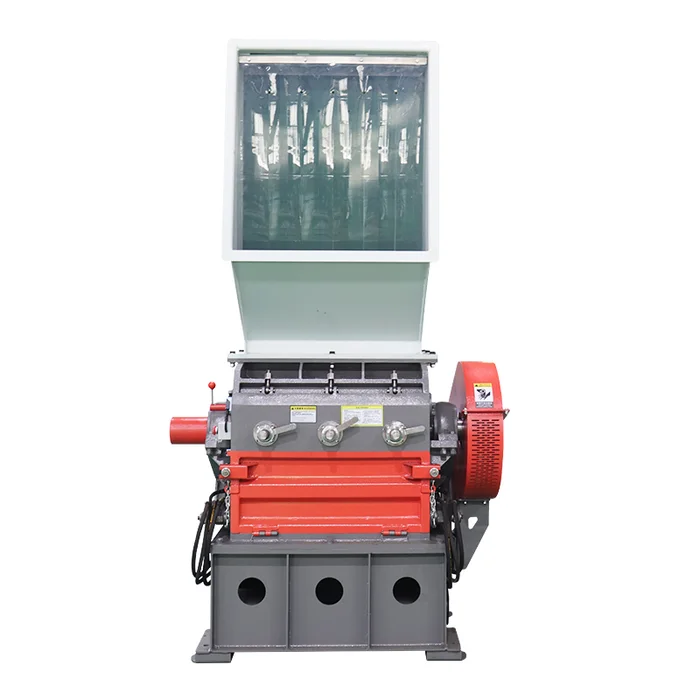
That made every discussion productive. Industrial Plastic Waste Crusher WHC800/450
Which Areas of the Factory Did the Delegation Visit?
We guided our guests through every major production department.
Precision Machining Workshop
High-precision CNC machining of critical components.
Rotor Manufacturing Area
Dynamic balancing and heavy-duty rotor assembly.
Blade Processing Center
Manufacturing, heat treatment, and quality inspection of shredder knives.
Electrical Assembly Workshop
PLC programming, electrical wiring, and intelligent control integration.
Machine Testing Area
Complete operational testing before shipment.
Visitors appreciated seeing every production stage.
Quality becomes much easier to understand when you watch it being built.
How Does AMIGE Ensure Product Quality?
Quality is never created at the final inspection stage.
It begins much earlier.
Our quality control process includes:
- Raw material inspection
- Machining accuracy verification
- Rotor balancing
- Hydraulic system testing
- Electrical system verification
- Trial operation testing
- Final equipment inspection
According to the institute, process-based quality management consistently delivers better long-term equipment reliability.
Quality is a habit.
Not an event.
Which Machines Attracted the Greatest Interest?
Several machines became highlights of the visit.
Single-Shaft Shredder
Ideal for plastic pallets, pipes, films, woven bags, and thick-walled plastics.
Heavy-Duty Plastic Crusher
Designed for efficient size reduction of rigid plastics and production scrap.
Integrated Shredder and Crusher Line
Combining primary shredding with secondary crushing.
Plastic Washing and Pelletizing Line
Delivering complete recycling solutions from waste plastic to reusable pellets.
Many visitors were impressed by the flexibility of complete recycling systems.
One integrated line often replaces several standalone machines.
Why Did Energy Efficiency Receive So Much Attention?
Energy costs continue rising globally.
Customers increasingly evaluate machines based on total operating cost rather than purchase price.
We discussed:
- Rotor optimization
- Intelligent PLC control
- Hydraulic feeding systems
- Precision blade geometry
- Motor efficiency
According to the research, optimized equipment design can significantly reduce long-term operating costs.
Saving electricity is no longer just an environmental objective.
It is a competitive advantage.
What Technical Topics Generated the Most Discussion?
The technical exchange covered numerous industry trends.
Among them:
Smart Automation
Improving productivity through intelligent control systems.
Predictive Maintenance
Reducing unexpected downtime.
Chemical Recycling Pretreatment
Preparing consistent feedstock for advanced recycling technologies.
Complete Recycling Solutions
Integrating shredding, crushing, washing, drying, and pelletizing.
Our engineers shared practical manufacturing experience.
The delegation contributed valuable feedback from recycling facilities in their market.
That exchange benefited everyone.
Why Is Technical Communication So Valuable?
Machines solve problems.
Conversations create better machines.
During the discussions, we explored:
- Material characteristics
- Customer applications
- Maintenance challenges
- Future market trends
- Equipment improvements
Many excellent ideas originated from customer questions.
The best innovations often begin with curiosity.
How Does Customer Feedback Improve Our Products?
Every customer visit provides valuable insight.
We use this feedback to improve:
- Blade designs
- Rotor structures
- PLC software
- Hydraulic systems
- Maintenance accessibility
- Operator safety
Continuous improvement remains one of our core engineering principles.
Every suggestion becomes an opportunity.
Every visit becomes a learning experience.
What Does This Visit Mean for Future Cooperation?
The visit strengthened communication between manufacturers and recycling professionals.
Future cooperation may include:
- Technical seminars
- Equipment demonstrations
- Joint research
- Factory training
- Project collaboration
The recycling industry faces common global challenges.
International cooperation creates better solutions.
Why Does Trust Matter More Than Ever?
Technology is important.
Manufacturing is important.
Service is important.
Trust connects all three.
A factory visit allows customers to:
- Meet our engineers.
- Inspect production.
- Verify quality.
- Discuss technical requirements.
- Understand our company culture.
Transparency builds confidence.
Confidence builds partnerships.
And partnerships create long-term success.
Conclusion
The visit from the Russian plastics industry delegation was an excellent opportunity to strengthen technical cooperation, exchange professional knowledge, and demonstrate AMIGE’s commitment to manufacturing excellence. We believe every factory visit deepens mutual trust, inspires continuous innovation, and helps build a more sustainable future for the global plastics recycling industry.
#PlasticRecycling #PlasticShredder #PlasticCrusher #FactoryVisit #PlasticMachinery
#RecyclingEquipment #IndustrialRecycling #CircularEconomy #MadeInChina #AMIGE