A plastic recycling equipment factory visit should verify the supplier’s ability to engineer, manufacture, test and support the machine being purchased. A guided tour, meeting-room presentation or staged demonstration is not enough for a high-value equipment decision.
I recommend sending an audit agenda before travel and linking every observation to the buyer’s specification, order documents and acceptance plan.
Set the Audit Scope Before the Visit
| Audit area | Evidence to inspect | Buyer question |
|---|---|---|
| Engineering | Approved specification, drawings and revision control | Which documents define the supplied machine? |
| Incoming parts | Identification and applicable inspection records | How are critical components verified and traced? |
| Fabrication and assembly | Work instructions, process checks and machine identity | How is the build connected to the order? |
| Electrical and controls | Panel layout, devices, software version and test record | How are functions and alarms verified? |
| Factory test | Test procedure, instruments, material and results | Does the test represent the buyer’s application? |
| Service and spares | Manuals, parts list, training and escalation route | What support is available after delivery? |
Inspect Manufacturing and Witness the Test
Follow one machine or representative build through identification, assembly, inspection and testing. Check whether drawings and components match the approved revision. Observe access for blades, screens, bearings, belts, lubrication and cleaning rather than looking only at exterior finish.
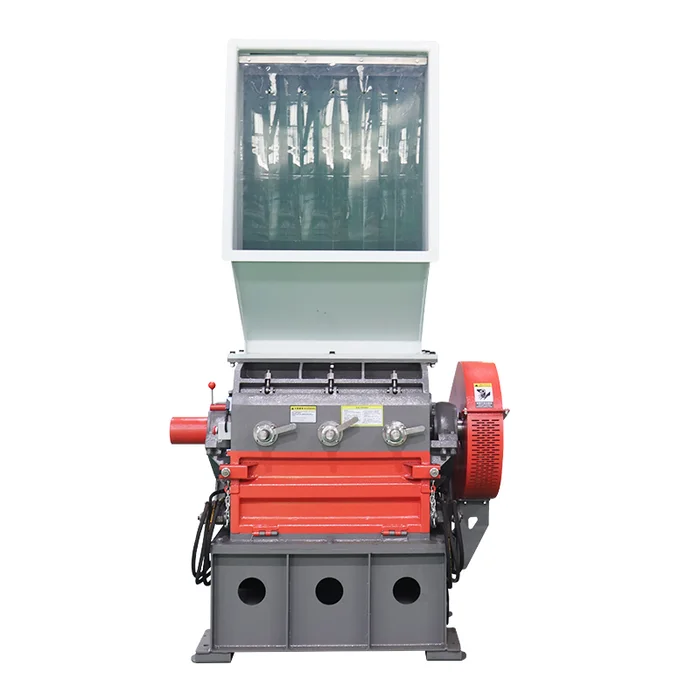
For an industrial plastic waste crusher, the witness test should record material, feed dimensions, screen, run duration, usable output, noise or vibration observations, alarms and the post-test inspection. Unloaded rotation alone does not validate the application.
Close the Audit with Evidence and Actions
- Separate confirmed evidence from verbal explanations.
- Record open items, owner, due date and required proof.
- Photograph or copy documents only with permission.
- Link deviations to purchase and acceptance requirements.
- Define which issues block shipment and which can close later.
- Require evidence of corrective-action completion.
The final audit report should identify the machine, participants, reviewed records, witnessed tests, unresolved risks and next decision. A successful visit produces an auditable purchase record, not just a positive impression.
Frequently Asked Questions
How is an on-site audit different from a live video audit?
An on-site audit can inspect physical records, material flow, tools, component identity and test conditions in greater depth.
Should the buyer provide test material?
Representative buyer material is preferred when practical and permitted because it reduces uncertainty in the application test.
What documents should be requested before travel?
Request the specification, agenda, test plan, machine status, required participants and a list of records available for review.
Does a factory visit replace final acceptance?
No. Contractual factory acceptance, pre-shipment inspection and site acceptance remain separate decisions unless the purchase terms state otherwise.
What if an issue cannot be closed during the visit?
Record the deviation, responsible owner, evidence required and deadline before making the next approval decision.
Request an Audit and Witness-Test Plan
Use the AMIGE inquiry page to send the intended machine, material and audit objectives. We can prepare the document list and factory-test agenda before your visit.