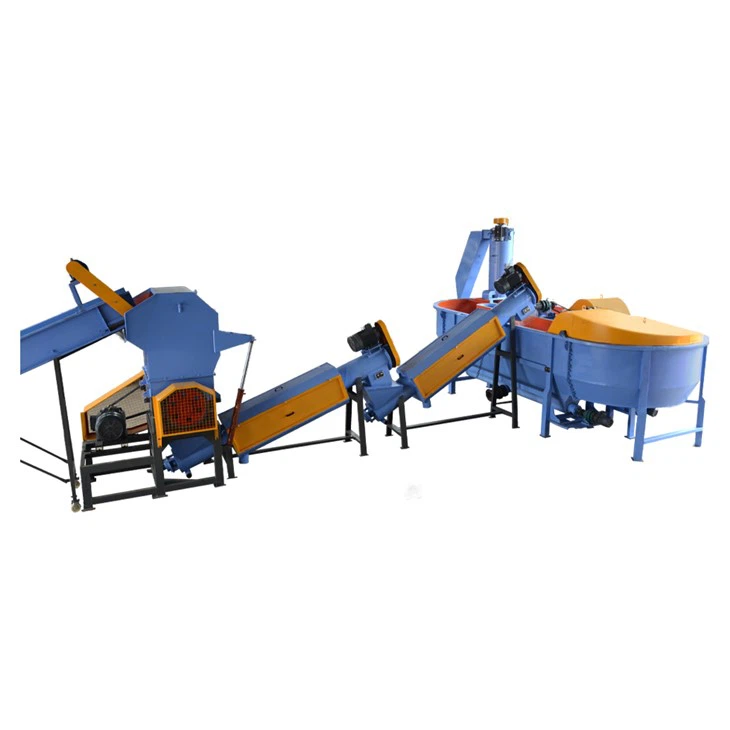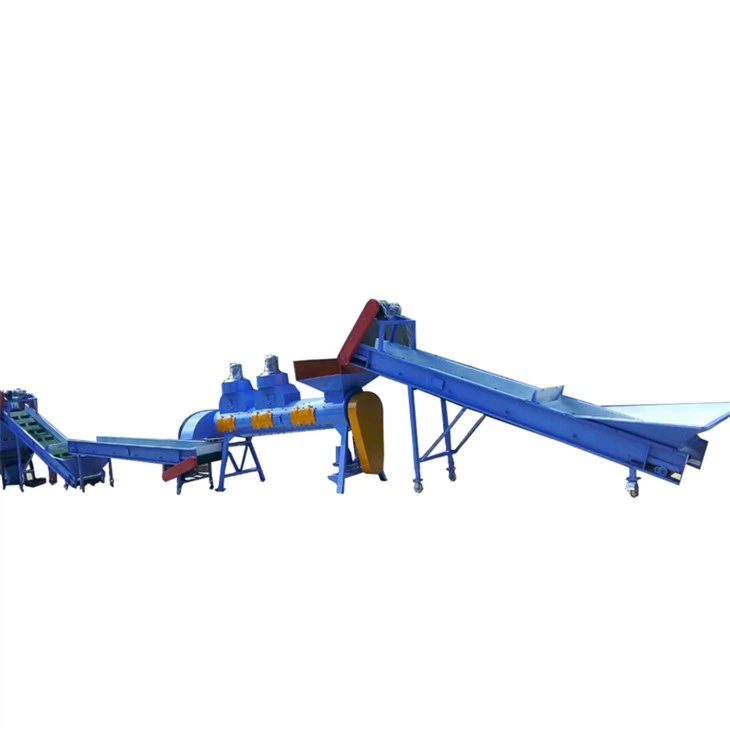
The AMIGE custom PET bottle washing plant is configured around the condition of incoming bottles and the required quality of the final PET flakes. Bale density, labels, caps, glue, sand, oil, color mix and local water conditions all affect the process.
This page focuses on project customization. For the standard process overview, review the main PET bottle washing and recycling line.
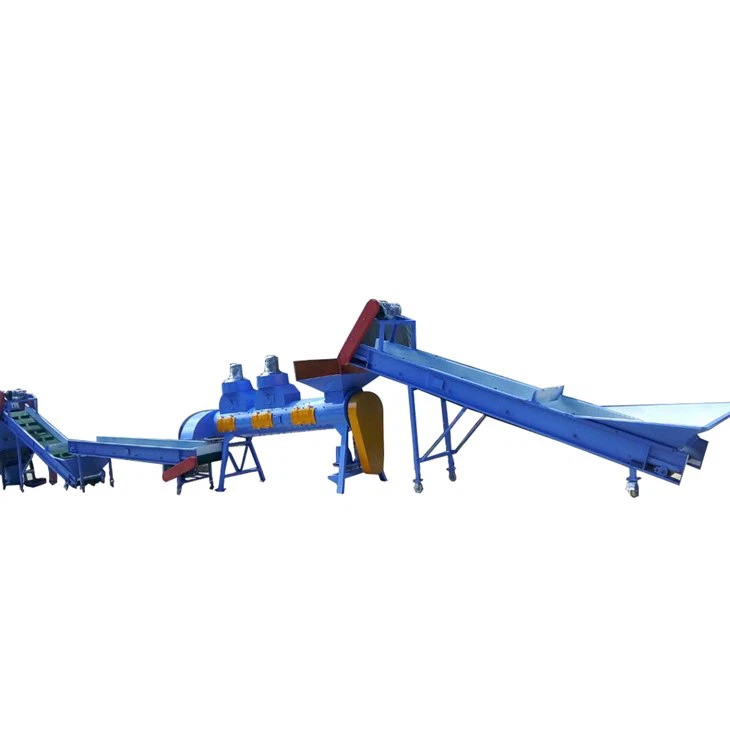
Typical PET Bottle Washing Stages
- Bale opening, feeding and manual or automatic sorting.
- Label removal and separation of loose contaminants.
- Wet crushing into a controlled flake size.
- Density separation for caps and polyolefin material.
- Hot washing when glue, oil or beverage residue requires it.
- Friction washing, rinsing, mechanical drying and air separation.
- Final flake inspection, storage or bagging.
What Can Be Customized?
- Input capacity and operating hours.
- Sorting method and contamination-removal stages.
- Cold-wash or hot-wash process.
- Crusher, washer, dryer and storage arrangement.
- Water circulation, wastewater treatment and heating method.
- Workshop layout, automation level, country and voltage.
Define the Required Flake Quality
A useful quotation needs more than an hourly capacity. Specify the intended flake application, acceptable moisture, label and cap contamination, PVC risk, color-sorting requirement and whether the material will be sold, fiber-grade processed or pelletized.
Additional systems are available in the plastic recycling line range.
Request a Custom PET Washing Proposal
Send AMIGE bottle photos, bale condition, contamination, target capacity, final flake requirement, factory dimensions, country and voltage. We will prepare a process flow around the actual project.