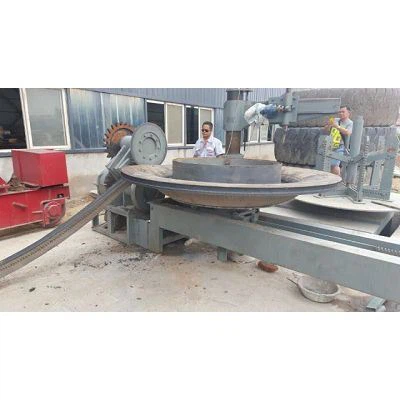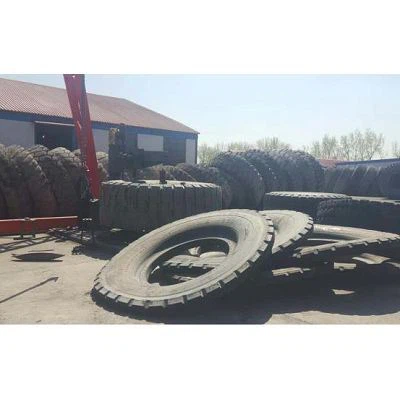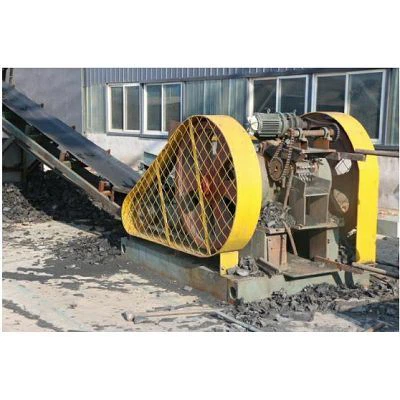
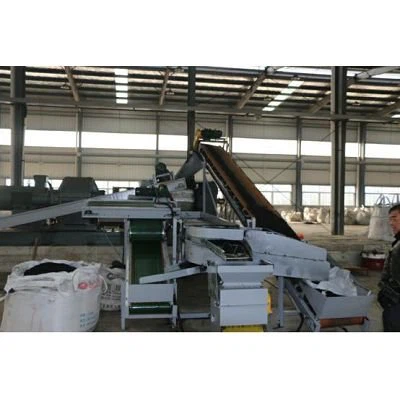
The AMIGE tire rubber cracker mill reduces pre-shredded tire rubber into smaller granules or powder for downstream separation and grading. It is a mechanical size-reduction unit used after tires have been debeaded, cut and shredded; it is not a pyrolysis reactor.
The required mill and line arrangement depend on the incoming rubber-chip size, steel and fiber content, target particle range, throughput and final product use.
Position in a Rubber Powder Line
- Remove beads and pre-cut oversized tires.
- Reduce tires with a primary shredder.
- Separate accessible steel where the process requires it.
- Feed controlled rubber chips into the cracker mill.
- Classify the product and separate remaining steel or fiber.
Material and Output Considerations
- Maximum feed-chip dimensions and consistency.
- Residual steel, textile fiber and other contamination.
- Required granule or powder size range.
- Hourly output, operating schedule and cooling needs.
- Screening, conveying and separation equipment after milling.
Build the Complete Reduction Process
A cracker mill cannot compensate for unstable oversized feed. The upstream cutter and tire shredding system should prepare consistent material, while downstream screens and separators determine the saleable output quality.
AMIGE can evaluate the mill as one stage of a waste tire granulation process rather than quoting an isolated machine without the necessary material flow.
Request a Tire Rubber Milling Proposal
Send AMIGE the tire source, prepared chip size, contamination, target particle range, capacity, country and voltage. We will recommend the required milling and separation stages.