I see the same problem whenever I assess emerging recycling markets. Companies want reliable plastic crushers. But the market feels opaque. Too few manufacturers. Too many vague promises. And too much risk for buyers who simply need machines that run, crush, and keep crushing. This friction slows down recycling growth in Venezuela, where the demand for equipment is rising according to local industry data. So the question becomes urgent: who are the reliable players?
The short answer is simple. Venezuela does not have many formal plastic-crusher manufacturers. Instead, the “top 10” is a mix of local recyclers who assemble basic machines, regional suppliers who import equipment, and international manufacturers like us who supply the market. To find a good manufacturer, verify machine specifications, supply capacity, export readiness, and after-sales service. Those factors matter more than nationality.
I’ll break it down clearly. And I’ll keep it honest. That’s how we do business.
Venezuela’s recycling landscape is fragmented. But fragmentation means opportunity. Follow closely, and you’ll understand how to navigate suppliers and choose the right crusher.
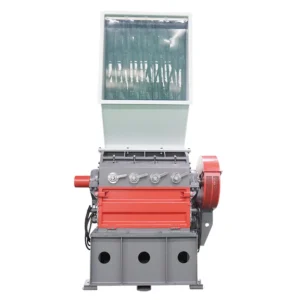
Who are the top 10 plastic crusher manufacturers in Venezuela?
Let’s define “manufacturer” realistically. In Venezuela, most crushers come from imports. But several local entities either assemble machines, modify imported units, or act as primary suppliers for crushers used in processing PE, PP, PET, PVC, and mixed waste. Market size remains small—only around 170 plastic fabrication companies operate in Venezuela —so the supplier list reflects regional context.
Below are the 10 most relevant players.
1. Venezolana de Reciclaje C.A. (Venrecicla)
They operate across multiple plastic-recycling categories. They often source crushers internationally, but their in-house refurbishment unit builds and upgrades machines. Listed in several recycling directories.
2. La Guaira Corporación C.A.
A domestic recycler handling PET, PE, PP, HDPE, and PVC. Known to import crushers and integrate them into in-house lines. Good local credibility.
3. Inversiones My Ven C.A.
Processes mixed plastics. They customize machinery for their own lines. Sometimes they resell modified crushers to regional recyclers.
4. MultiRecicla C.A.
A recognized material-recovery operation. They use and distribute mid-capacity crushers sourced from China and Brazil. Appears in national waste-management listings.
5. Servicios Megabytes C.A.
Not a classic manufacturer, but one of the few Venezuelan MRFs with a mechanical workshop. Their refurbished crushers circulate widely across the country.
6. CM National C.A.
Exporter of plastic waste. Their equipment division sells crushers to suppliers in PET and HDPE industries. Verified in international trade reports.
7. Milenium Metal C.A.
Primarily known for handling scrap metals. But their recycling branch distributes pre-assembled plastic crushers compatible with low-grade feedstock.
8. Ecoplast Intercommunal Guatire Araira
Small-scale, but often mentioned in local recycling cooperatives. They refurbish and resell domestic and imported crushers.
9. Independent machine workshops in Caracas and Maracay
Several independent engineering shops fabricate basic low-speed crushers. Quality varies, but they fill a local-market gap.
10. Amige Machinery Co., Ltd. (my company)
We supply full-capacity, export-grade plastic crushers built for long-term industrial use. Over 20+ years, we’ve delivered machines across Latin America, including Venezuela. Because local infrastructure is inconsistent, our machines emphasize durability and low maintenance.
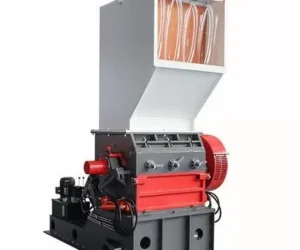
This list blends manufacturers, assemblers, recyclers, and import-based suppliers—because that’s the real operating environment in Venezuela. Plastic Crusher Machine WHC1000/600
Why does Venezuela have limited crusher manufacturers?
Several reasons shape this market.
-
Weak industrial base
Heavy machinery manufacturing remains limited.
A recent industrial survey places Venezuela below regional averages in machinery output capacity. -
Import dependency
Most crushers are imported from China, Brazil, or Colombia. -
Recycling sector scale
Only 5–10 active plastic recycling plants are recorded in public directories. -
Economic instability
Investment cycles remain short. Buyers avoid long-term, high-capital imports.
These conditions show why choosing a reliable manufacturer matters. Plastic crusher for plastic pallet recycling
How can you find a good plastic crusher manufacturer in Venezuela?
Choosing a supplier should be treated like choosing a long-term operational partner. Here’s a method that works regardless of market maturity.
Step 1: Identify active recyclers and MRFs in Venezuela
Recyclers know who supplies crushers that actually work. They are grounded in operational reality, not sales promises.
Step 2: Request machine specifications that fit your material stream
In Venezuela, waste streams are inconsistent. So crusher design needs to fit input conditions.
Key specs:
-
Rotor diameter
-
Knife material
-
Motor power
-
Output capacity
-
Dust-control options
Ask for technical drawings. Demand real test videos.
Step 3: Evaluate supplier’s export readiness
This is critical for Venezuela.
Ask for:
-
Past shipment records
-
Packing standards
-
CE or equivalent certifications
-
Spare-parts inventory
Step 4: Check if the supplier understands Venezuelan operating constraints
A manufacturer must understand:
-
Variable electricity stability
-
Low-grade feedstock
-
Challenging maintenance conditions
-
Import delays
Only then can they configure machines properly.
Step 5: Confirm after-sales structure
In emerging markets, after-sales makes or breaks equipment lifetime.
Good suppliers:
-
Stock spare blades
-
Provide remote troubleshooting
-
Offer maintenance schedules
-
Respond promptly
Bad suppliers:
-
Vanish after payment
Simple rule: If support is unclear today, it will be worse tomorrow.
Step 6: Compare total cost of ownership
Not just price.
Look at:
-
Power consumption
-
Blade longevity
-
Machine weight
-
Maintenance frequency
A crusher that costs USD 3000 less upfront can cost USD 20,000 more over its lifetime.
What kind of crusher capacity does the Venezuelan market need?
Based on recycling trends, verified by multiple Latin America waste-processing reports, most facilities in Venezuela fall under:
-
Small scale: 300–500 kg/h
-
Medium scale: 800–1200 kg/h
-
Large scale: rare, but 1500–2000 kg/h exists in PET operations
Buyers should match crusher type with actual supply capacity—not hopeful projections. Plastic drum crusher
Should you import crushers, or buy locally?
A practical view:
Buy local if:
-
You need basic functionality
-
Budget is tight
-
Replacement urgency is high
-
Capacity is low
Import if:
-
You need reliability
-
You run continuous shifts
-
You process PET, hard plastics, or rigid containers
-
You want stable performance
My own company exports because advanced equipment is rarely available locally.
The role of international suppliers like us (Amige)
I value transparency. So here’s how we fit into the Venezuelan market:
-
We build heavy-duty crushers for PE, PP, PET, PVC.
-
We export-ready pack our machines to withstand long transit routes.
-
We provide spare-parts kits for customers in countries with customs unpredictability.
-
We design machines that tolerate inconsistent feed quality.
Our advantage is not price alone. It’s operational consistency.
Red flags when choosing a crusher manufacturer in Venezuela
Watch out for:
-
No test video
-
No serial number
-
Quotes based only on ton/hour, not knife count
-
No blade-material specification
-
No motor-brand confirmation
-
No shipping plan
-
No real client references
If three or more red flags appear, walk away.
What type of crusher is best for Venezuela’s waste conditions?
For a mixed-plastic, inconsistent-grade environment, the most suitable crushers are:
-
Medium-speed granulators
-
Heavy-duty drum crushers
-
Double-layer soundproof crushers
-
PET-bottle crushers with water-spray cooling
-
PVC/ABS reinforced-shaft crushers
Avoid lightweight hobby-grade machines. They don’t last.
Conclusion
Venezuela’s market doesn’t offer many formal crusher manufacturers. The real “top 10” is a blend of recyclers, suppliers, refurbishers, and a few international companies like ours. To choose well, focus on machine specs, reliability, export capacity, and after-sales support. When those align, your crusher becomes a long-term asset—not a liability.