Your heavy duty shredder is processing plastic pallets, industrial scrap, or large plastic lumps when a sudden metallic impact interrupts production. Motor current increases, the cutting shafts stop, and the machine enters overload protection. After repeated incidents, operators notice unusual gearbox noise, damaged cutters, or increasing vibration. Eventually, an expensive transmission repair becomes unavoidable. At AMIGE, I believe many of these problems begin before the material reaches the cutting chamber. Hidden metal contamination can turn ordinary plastic recycling into a serious mechanical challenge.
Hidden metal in plastic waste can cause sudden torque spikes in a Heavy Duty Shredder when hard metallic objects resist cutting or become trapped between cutters. These shock loads may damage blades, shafts, bearings, couplings, and gearbox components. Reducing the risk requires effective material inspection, suitable metal separation, appropriate gearbox selection, controlled feeding, and properly configured overload protection. At AMIGE, we recommend evaluating both plastic characteristics and potential metal contamination before selecting shredding equipment. A powerful machine alone cannot compensate for unsuitable feedstock or inadequate mechanical protection.
Your shredder is designed to process plastic, not negotiate with steel bolts. Understanding how hidden metal affects the transmission system can help prevent expensive repairs and unnecessary production interruptions.
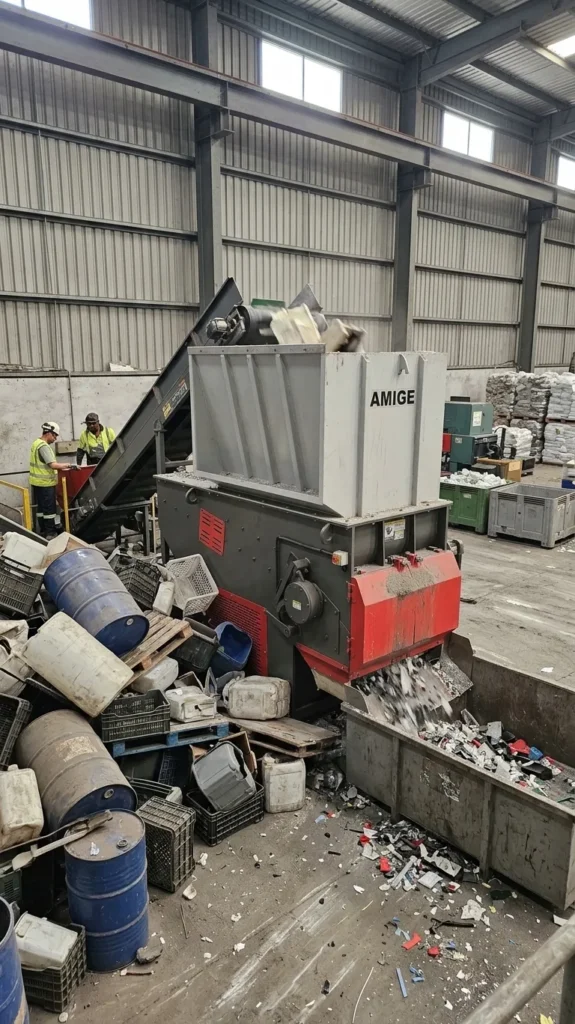
Why Is Hidden Metal Dangerous for a Heavy Duty Shredder?
A Heavy Duty Shredder generates substantial cutting torque to reduce large and difficult materials.
However, plastic waste may contain unexpected metallic components, including bolts, screws, steel wires, metal inserts, and reinforcement parts.
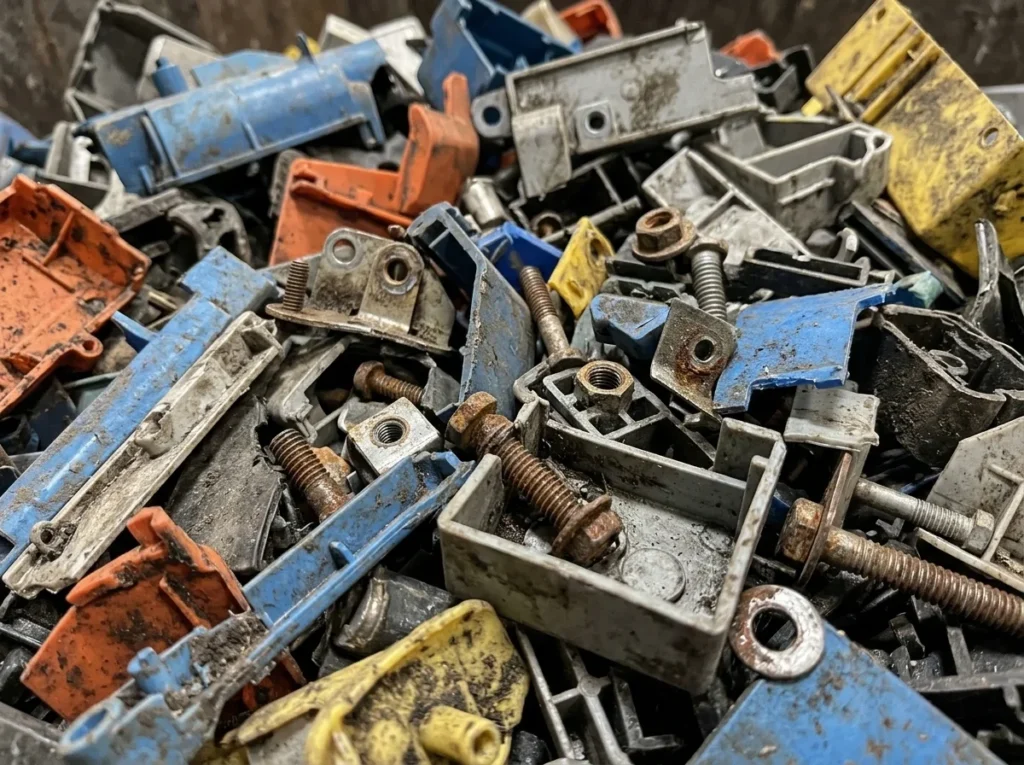
When these objects enter the cutting chamber, they may resist cutting or become trapped between moving components.
The resulting shock loads can travel through the shafts and transmission system.
Heavy-duty construction does not mean unlimited resistance to metal contamination.
WPS1200 Heavy-Duty Single-Shaft Shredder
How Do Metal Objects Create Sudden Torque Spikes?
During normal plastic shredding, cutting resistance changes as the material enters the cutting zone.
When a hard metal object suddenly obstructs cutter movement, resistance may increase rapidly.
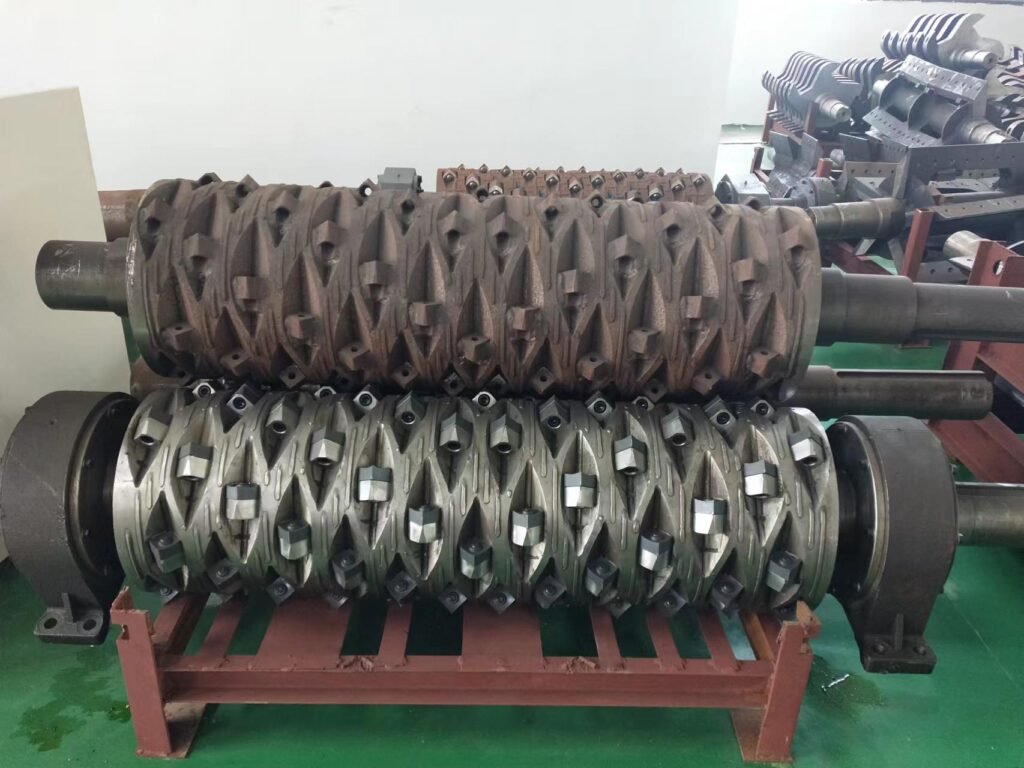
For illustration, steady-state output torque can be estimated using output power and shaft speed:
Torque (Nm) = 9,550 × Output Power (kW) ÷ Shaft Speed (rpm)
A shaft delivering 55 kW at 20 rpm would produce approximately 26,263 Nm of steady-state torque.
However, instantaneous shock loads cannot be calculated from this formula alone.
Actual peak torque depends on drivetrain stiffness, rotating inertia, material resistance, and protection-system response.
Why Can Repeated Torque Spikes Damage the Gearbox?
The Industrial Shredder Gearbox transfers motor power to the cutting shafts while reducing rotational speed and increasing torque.
Repeated shock loads may contribute to gear tooth damage, bearing fatigue, coupling wear, and shaft deformation.
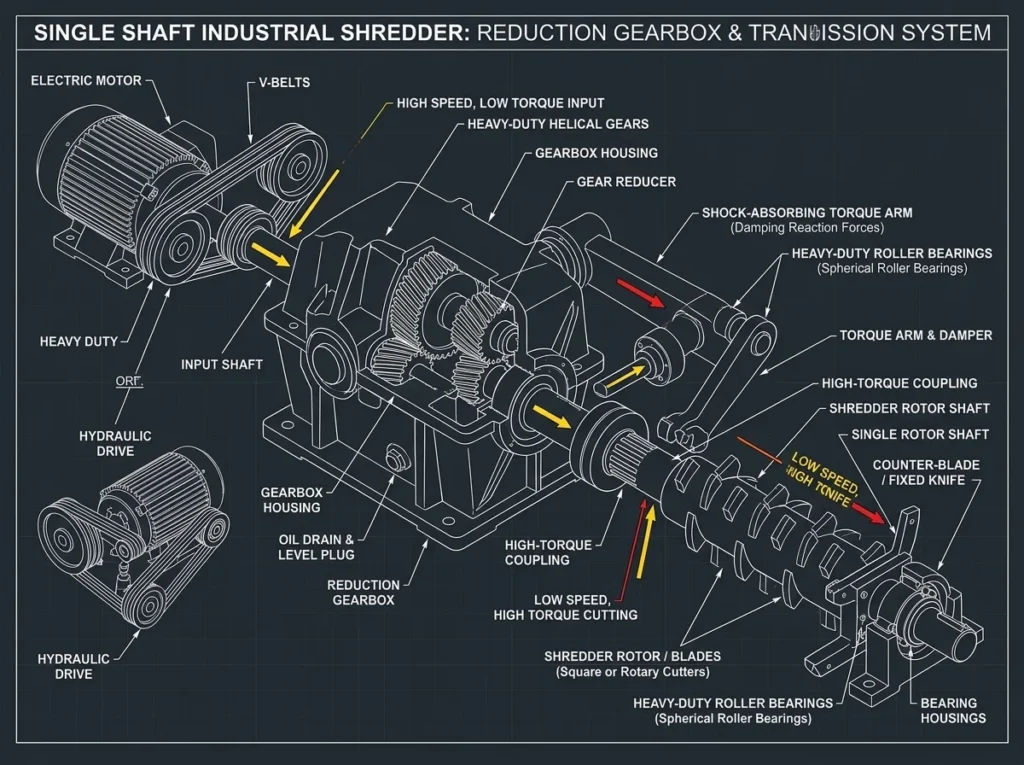
A gearbox may withstand occasional overloads within its design limits. However, repeated loading beyond those limits can shorten component life.
I recommend evaluating gearbox service factors, permissible peak torque, duty cycles, and operating conditions rather than comparing motor power alone.
Can Hidden Metal Damage Shredder Blades Before the Gearbox Fails?
Yes. The cutters are often among the first components exposed to unexpected metal contamination.
Possible damage includes chipped cutting edges, cracked cutters, uneven wear, and damaged fastening components.
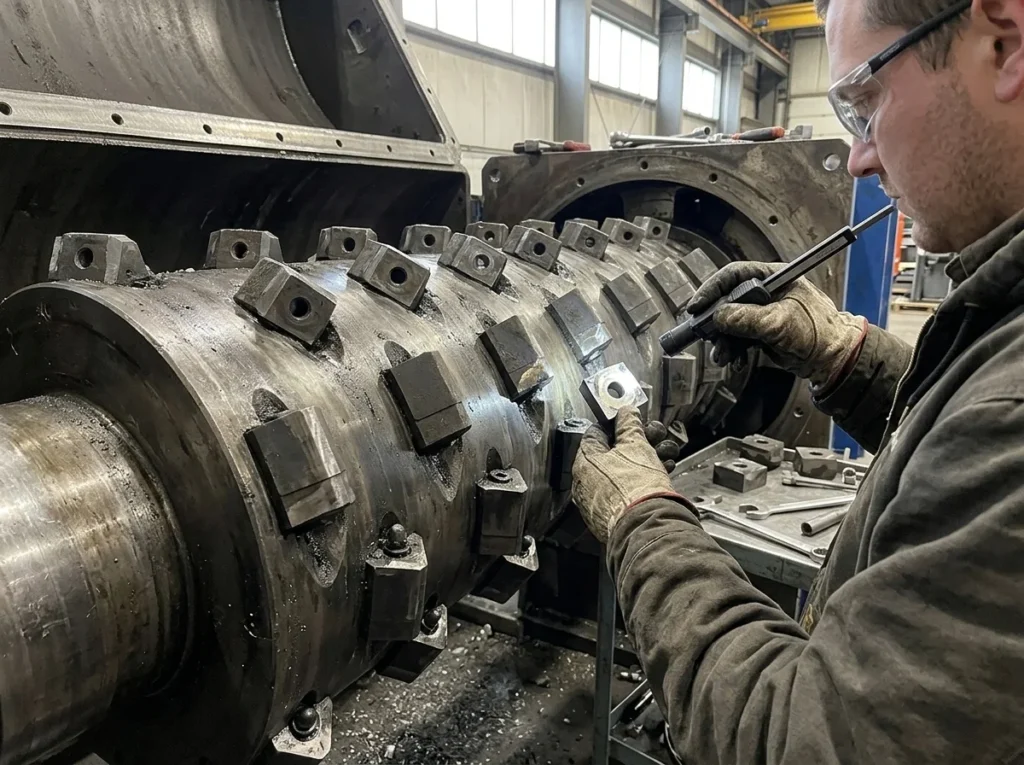
For a Heavy Duty Plastic Shredder, blade selection requires a balance between hardness, toughness, and wear resistance.
Harder blades are not automatically better when impact loading is involved.
The correct steel grade and heat treatment depend on the intended material and cutting conditions.
WPS1500 Large-Chamber Single-Shaft Shredder
Can a Magnetic Separator Remove All Hidden Metal?
No. A conventional magnetic separator primarily removes suitable ferromagnetic contaminants, including many iron and steel objects.
It cannot reliably remove aluminum, copper, or every type of stainless steel.
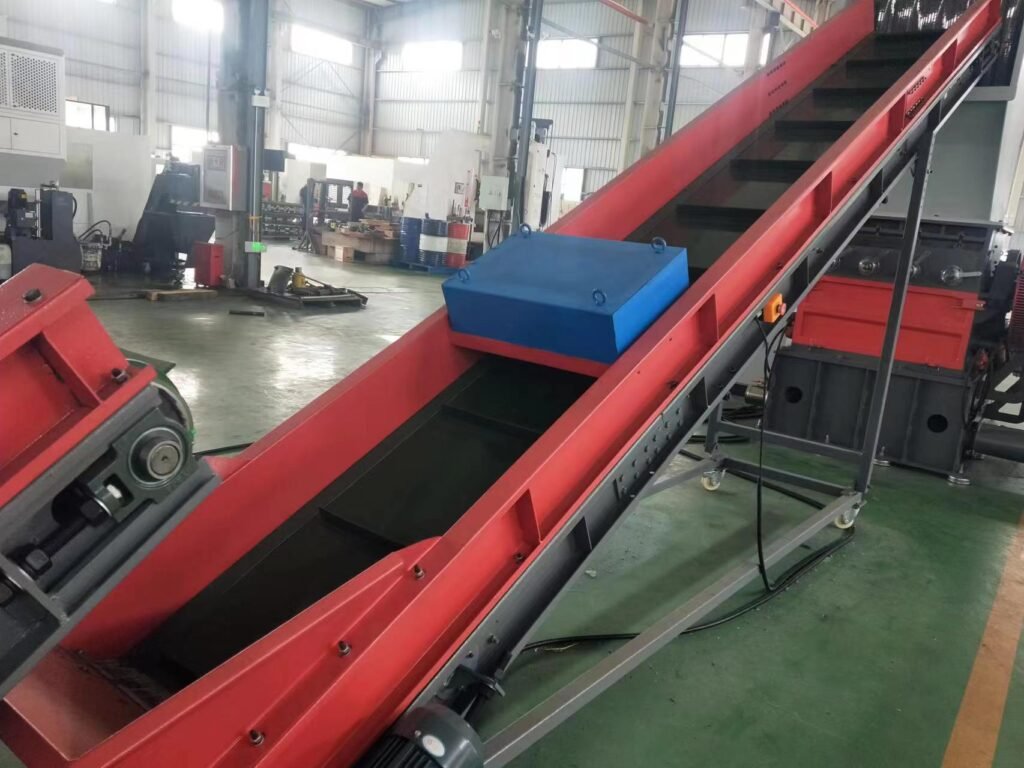
Embedded metal may also remain attached to plastic components despite magnetic separation.
Depending on the application, we may evaluate manual inspection, magnetic separation, industrial metal detection, or other suitable technologies.
An eddy current separator may be useful for certain liberated non-ferrous metals, but it cannot physically detach embedded metal.
How Does Overload Protection Help Protect the Shredder?
Depending on machine design, overload protection may include motor-current monitoring, torque monitoring, automatic reversing, drive protection, or mechanical torque-limiting devices.
These systems can help reduce certain overload risks.
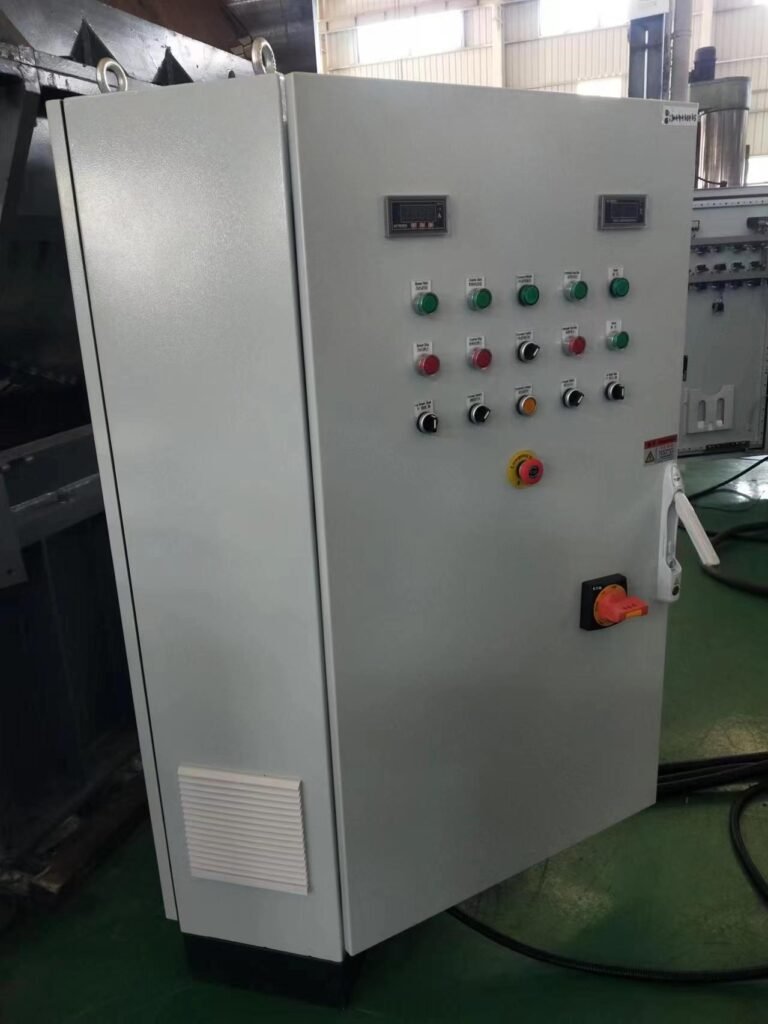
However, electrical overload protection may not react quickly enough to prevent every instantaneous mechanical impact.
Automatic reversing also cannot guarantee that a trapped metal object will be released safely.
Protection settings must follow the manufacturer’s engineering specifications. Operators should never repeatedly restart a jammed machine without identifying the cause.
Is a Double-Shaft Shredder Better for Metal-Contaminated Plastic?
A Heavy Duty Double-Shaft Shredder may be suitable for bulky plastic waste requiring low-speed, high-torque primary size reduction.
However, a conventional plastic shredder should not automatically be considered a metal shredder.
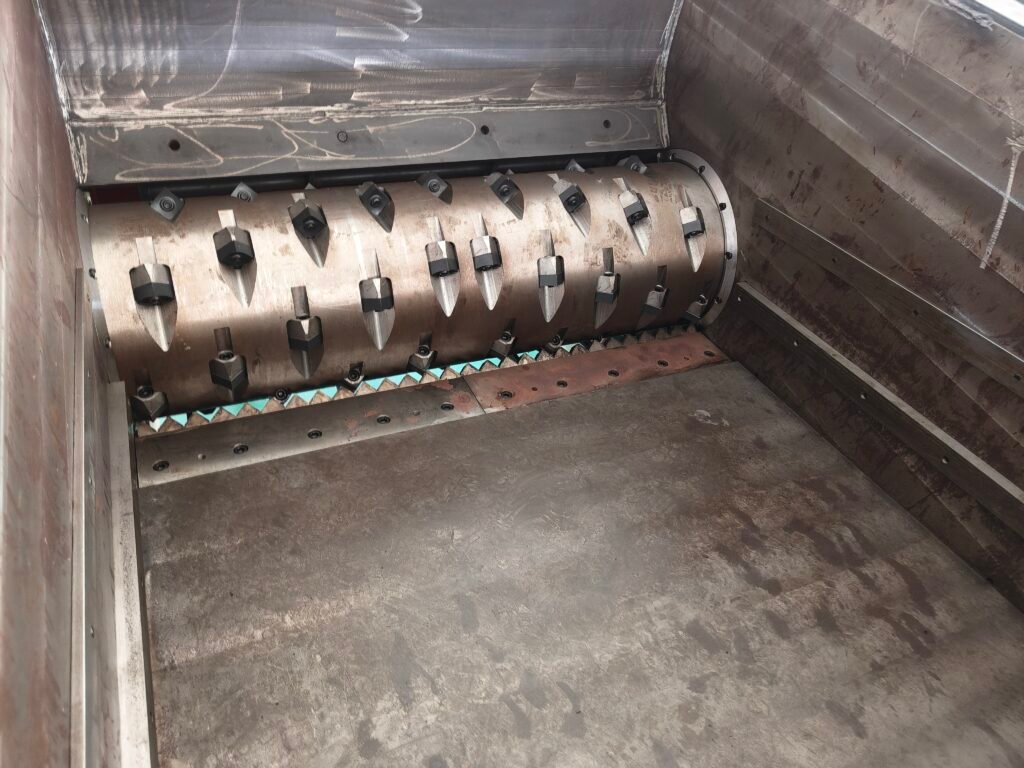
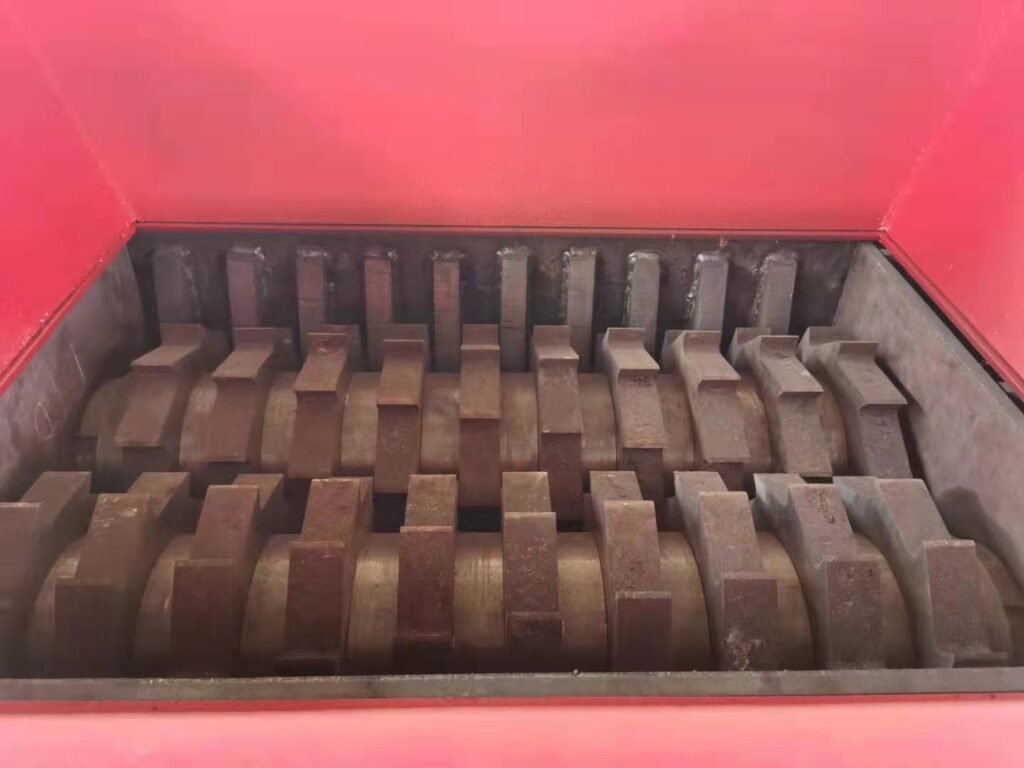
| Selection Factor | Single-Shaft Shredder | Double-Shaft Shredder |
| Typical cutting system | Single rotor | Two cutting shafts |
| Output size control | Often uses a screen | Usually coarse primary output |
| Typical applications | Plastic lumps and selected flexible materials | Bulky plastic and industrial waste |
| Metal tolerance | Configuration-dependent | Configuration-dependent |
| Gearbox protection | Design-dependent | Design-dependent |
Neither design is universally more resistant to metal contamination.
The expected metal type, dimensions, quantity, and mechanical loads must be evaluated before selecting equipment.
WT1400 Heavy-Duty Double-Shaft Shredder
How Much Production Can Gearbox Failure Cost?
Consider a hypothetical shredder processing 1,000 kg/h during an eight-hour production shift.
| Operating Condition | Potential Production |
| Normal eight-hour shift | 8,000 kg |
| Four hours of downtime | 4,000 kg |
| One complete lost shift | 8,000 kg lost |
These figures exclude repair labor, replacement components, freight, and downstream production interruptions.
The example is illustrative, not AMIGE operating data.
When comparing equipment prices, I recommend considering the potential cost of mechanical failures and replacement-part delivery.
A cheaper gearbox may become expensive if production repeatedly stops.
How Can You Identify Early Signs of Gearbox Damage?
Potential warning signs include unusual noise, increasing vibration, lubricant leakage, abnormal temperature, and repeated overload events.
However, these symptoms do not automatically prove gearbox damage.
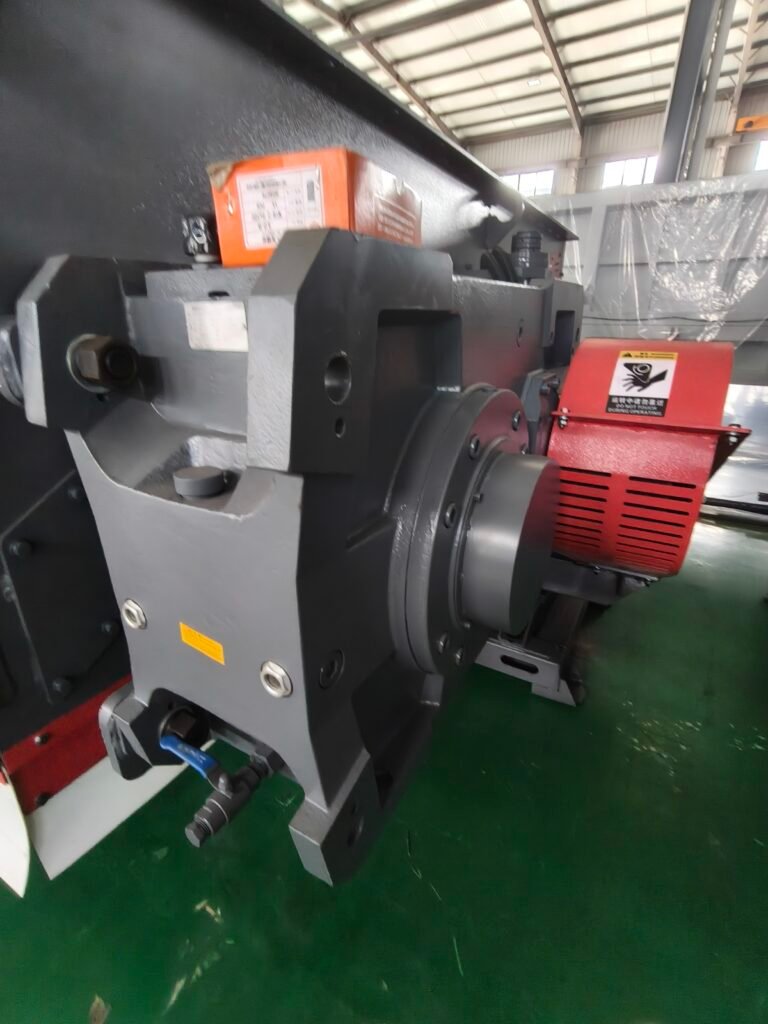
Qualified technicians should evaluate the gearbox, bearings, alignment, lubricant condition, and operating history.
Before inspecting a jammed machine, stop the equipment, isolate all energy sources, release stored energy, and secure the cutting shafts against unexpected movement.
Never attempt to remove trapped metal while the machine can operate.
What Should Buyers Confirm Before Purchasing a Heavy Duty Shredder?
Before recommending an Industrial Plastic Shredder, we need to understand:
- Plastic type and material dimensions.
- Material photos or videos.
- Expected metal contamination.
- Required processing capacity.
- Target output size.
- Gearbox and overload protection requirements.
- Existing metal separation equipment.
- Local voltage and operating conditions.
At AMIGE, we evaluate these factors before recommending a shredding configuration.
For difficult or contaminated feedstock, representative material assessment is essential. Any proposed test involving metal contamination must remain within the equipment’s approved operating limits.
Our objective is reliable production, not simply maximum installed motor power.
Contact AMIGE for a Plastic Crusher Quote
Conclusion
Hidden metal can create destructive torque spikes and accelerate gearbox, cutter, and bearing damage. Reliable shredding requires material inspection, suitable metal separation, appropriate transmission design, and overload protection. At AMIGE, we help recyclers evaluate practical shredding configurations based on actual waste characteristics and production requirements.
Frequently Asked Questions
1. Why does hidden metal cause torque spikes in a heavy duty shredder?
Hard metal objects may resist cutting or obstruct cutter movement, creating sudden increases in mechanical resistance. These shock loads can travel through the shafts, couplings, and gearbox.
2. Can automatic reversing prevent gearbox damage?
Automatic reversing can help manage certain overloads and blockages. However, it cannot guarantee protection against instantaneous mechanical impacts or every type of trapped metal.
3. Can a magnetic separator remove all metal from plastic waste?
No. Conventional magnetic separators primarily remove ferromagnetic materials. Aluminum, copper, certain stainless steels, and embedded metal may require different inspection or separation methods.
4. Can a heavy duty plastic shredder process plastic containing metal inserts?
It depends on the metal type, dimensions, quantity, and machine configuration. Conventional plastic shredders should not process significant metal contamination without manufacturer approval and engineering evaluation.
5. What information does AMIGE need to recommend a heavy duty shredder?
Please provide plastic material types, photos or videos, maximum dimensions, metal contamination details, required capacity, target output size, local voltage, and existing separation equipment.
Call to Action
Are hidden metal contaminants causing repeated overloads, damaged cutters, or expensive gearbox failures in your shredding operation?
Send AMIGE your plastic waste photos or videos, metal contamination details, maximum material dimensions, required capacity, and target output size.
Our engineering team can evaluate your application and discuss suitable shredding configurations, transmission requirements, metal separation options, and equipment limitations.
Request a customized heavy duty shredder quotation and material-based equipment recommendation from AMIGE.
#HeavyDutyShredder #PlasticShredder #GearboxDamage #TorqueOverload
#MetalContamination #DoubleShaftShredder #MetalSeparation #PlasticRecycling
#RecyclingMachinery #AMIGE