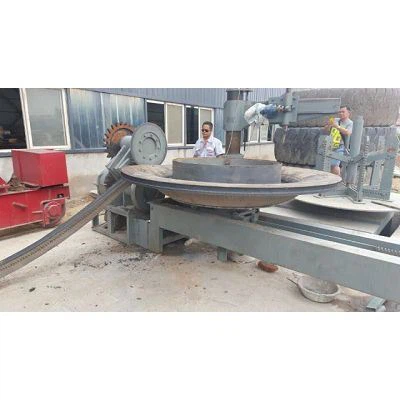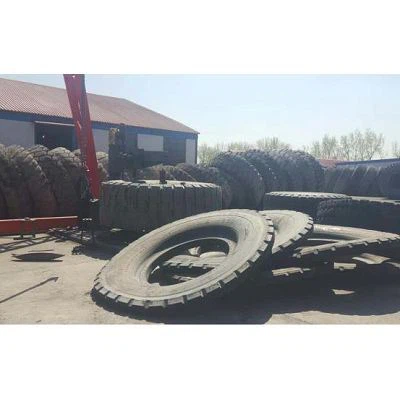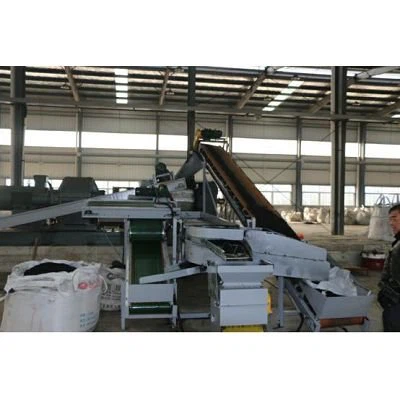
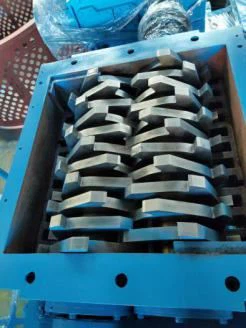
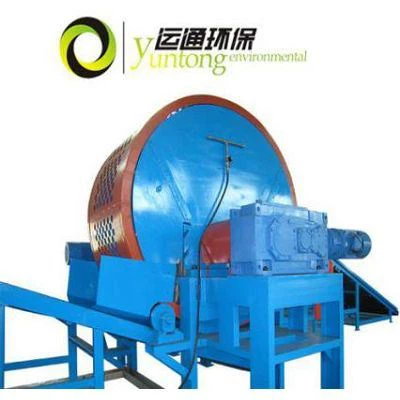
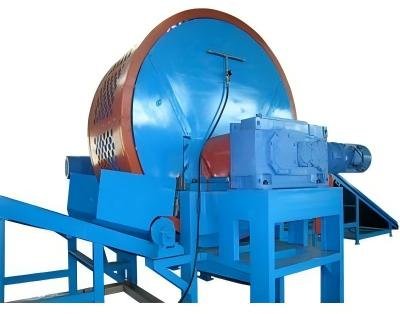
The twin-shaft waste tire shredder is a primary size-reduction machine for prepared scrap tires and other difficult non-metallic waste. Counter-rotating shafts use shear and tearing action to reduce the feed before screening, granulation or rubber-powder processing.
This page represents a shredder, not a complete tire granulator line. A complete project may also require tire pre-treatment, conveying, screening, steel separation and secondary grinding.
Suitable Position in a Tire Recycling Line
- Receive tires that match the selected chamber and feed limit.
- Reduce the material through low-speed, high-torque shearing.
- Control discharge size with the selected screen arrangement.
- Transfer the shredded output to downstream separation or grinding equipment.
Reference Model Data
| Model | Motor power | Chamber length | Input limit | Output size | Capacity with screen | Capacity without screen |
|---|---|---|---|---|---|---|
| TPS600 | (15–22) × 2 kW | 600 mm | ≤ Ø600 mm | 20–90 mm | ≤ 900 kg/h | ≤ 3000 kg/h |
| TPS800 | (15–30) × 2 kW | 800 mm | ≤ Ø800 mm | 30–90 mm | ≤ 1800 kg/h | ≤ 5500 kg/h |
| TPS1200 | (18.5–37) × 2 kW | 1200 mm | ≤ Ø1200 mm | 40–90 mm | ≤ 3500 kg/h | ≤ 8000 kg/h |
The figures above are reference values from the current model data. Actual output depends on tire type, bead and steel condition, feeding method, screen size and downstream requirements. Final specifications must be confirmed in the technical proposal.
Selection Questions
- Passenger, truck, OTR or mixed tires?
- Whole tire or pre-cut feed?
- Maximum tire diameter and width?
- Required output size and downstream process?
- Target throughput with or without a screen?
- Local voltage, frequency and safety requirements?
For pre-treatment, compare the hydraulic tire sidewall cutter and remote-control tire sidewall strip cutter. For powder production, review the tire rubber cracker mill.
Request a Tire Shredder Configuration
Send tire photos, maximum dimensions, feed condition, target output size, required throughput and electrical standard through the AMIGE inquiry page. This information is required to determine chamber width, blade arrangement, screen and downstream equipment.