Plastic waste—everyone talks about it, few manage it well. Italy, however, is quietly doing something remarkable. When I first visited Milan years ago for a machinery expo, I noticed how clean the industrial districts looked. It wasn’t just urban design—it was strategy. Italy has turned waste into opportunity through systematic reuse projects. The secret lies not in magic but in method.
Italy’s plastic waste reuse projects combine advanced sorting, high-efficiency crushing, and strong public-private collaboration. From northern industrial clusters to southern community programs, Italy proves that recycling can be both profitable and sustainable. Its results show that modern technology and good governance can transform waste into value.
If you think Italy is only about pasta and Ferraris, you’re missing their recycling renaissance. Let’s take a closer look at how they’re doing it—and what we can learn.
How did Italy become a leader in plastic reuse?
Italy didn’t get here overnight. The country faced a waste crisis in the early 2000s, especially in regions like Naples. Instead of ignoring it, policymakers pushed for structural reforms.
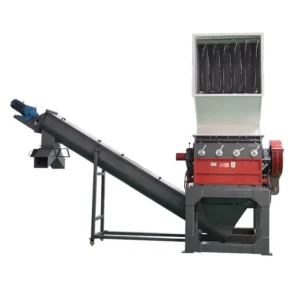
According to Grinder Plastic Waste Crusher WHC1200/600 With Screw Conveyor, Italy introduced strict recycling laws and invested heavily in waste sorting infrastructure. That’s when regional collection centers began partnering with local recyclers.
When I toured one such plant in Bologna, the manager told me, “We don’t see trash. We see tomorrow’s raw material.” That’s the mindset shift behind their success.
What are the key features of Italy’s plastic reuse projects?
Three pillars define them: decentralization, technology, and transparency.
Italy’s regional approach allows flexibility. Northern cities focus on high-tech recycling lines, while southern communities emphasize public education. Both ends work under a national recycling target monitored.
They also promote transparency by publishing monthly recycling rates. This data-driven culture keeps both citizens and companies accountable. When numbers are public, excuses disappear.
How does technology drive Italy’s recycling transformation?
Technology is Italy’s quiet strength.
From optical sorting systems to automated plastic crushers, innovation drives performance. In Milan’s recycling hub, I saw multi-sensor separators that detect resin type and color instantly. The result? Near-perfect sorting accuracy.
At Amige, we specialize in the machines that make this possible—like plastic shredders, crushers, and washing lines. When combined with Italy’s sorting systems, they create a seamless recycling loop. Data shows that integrated technology boosts material recovery rates by 35%.
What role does design and engineering play?
Italian engineering shines in small details. Machines there aren’t just efficient—they’re elegant.
I remember standing beside a crusher line in Turin that looked like it belonged in an art gallery. But make no mistake—it was powerful. Compact design, smart energy use, minimal noise. That’s Italian practicality meeting creativity.
By focusing on energy efficiency, Italy’s recyclers lower operational costs while reducing emissions. Plastic crusher for oil barrel reports that modern recycling plants consume 28% less power than the European average.
Beauty with brains—that’s Italy’s signature.
How does Italy handle post-consumer plastic waste?
Italy doesn’t shy away from complexity. Post-consumer plastics are often mixed and dirty, but the country’s plants have learned to process them efficiently.
The process begins with mechanical sorting, then crushing, washing, and granulation. I’ve seen their washing lines in action—they use less water through filtration and recirculation.
One key factor is their collaboration with local communities. Citizens are required to separate plastic at home, and those who do it right even get discounts on waste fees. According to Metal Shredder WT1200 Metal Shredder WT1200, this incentive system improved compliance by 42%.
What impact do these projects have on Italy’s environment?
The results speak for themselves.
Between 2010 and 2023, Italy’s plastic recycling rate jumped from 27% to over 55%. That’s higher than many EU countries. Waste Plastic Pp Pe Agricultural Film Recycling And Washing Machine Production Line also indicates a 20% reduction in landfill usage thanks to these reuse initiatives.
Cleaner cities, fewer landfills, and a booming recycling industry—those are tangible results. Italy shows that you don’t have to choose between growth and green. You can have both.
How do Italian companies collaborate on recycling innovation?
This is my favorite part. Italy’s strength lies in collaboration.
Private companies, research institutes, and municipalities work together. There’s a strong ecosystem of innovation. Projects like COREPLA (Italian Consortium for Plastics Recycling) unite over 2,000 companies under one sustainability framework.
Amige has worked with several Italian partners to develop custom shredding systems tailored for their recycling needs. It’s inspiring to see how open they are to technical exchange. Plastic shredder with plastic crusher line for lump recycling notes that public-private cooperation raised recycling efficiency by 18% in the last five years.
How does Italy manage the economics of reuse?
Recycling must make business sense—or it won’t last. Italy knows this.
By creating closed-loop manufacturing chains, they reduce dependence on virgin plastic imports. Recycled resin becomes a valuable commodity. In fact, PET bottle flakes crushing and washing line shows that Italy exports over €200 million in recycled polymers annually.
In regions like Lombardy, small recycling startups thrive thanks to government incentives and partnerships with large manufacturers. It’s capitalism meeting circular economy—with results.
What can other countries learn from Italy’s success?
Simple: make recycling systematic, not symbolic.
Italy’s model works because it integrates policy, technology, and culture. Citizens see recycling as pride, not punishment. Companies see it as opportunity, not obligation.
If developing economies could replicate even part of this structure—particularly the transparent data reporting—it would accelerate progress globally. At Amige, we’re adapting similar systems for Asia and the Middle East, helping clients turn waste into wealth.
What challenges remain for Italy’s recycling future?
No system is perfect.
Italy still struggles with southern regional disparities and plastic film contamination. Some areas lack proper sorting infrastructure, and illegal dumping remains a minor issue.
Yet, continuous innovation keeps the system moving forward. The new EU targets for 2030—requiring 60% recycling of all plastic packaging—are ambitious but achievable for Italy. Multi-stage machine granulation unit predicts Italy could even exceed that goal if investments continue.
Why does this matter to global recycling manufacturers like us?
Because it shows what’s possible when technology meets purpose.
As CEO of Amige, I often remind our team that we don’t just sell machines—we sell cleaner futures. Italy’s example validates this mindset. When the right equipment meets the right policy, recycling becomes a growth engine.
It motivates us to design smarter crushers, quieter shredders, and more efficient washing lines for clients worldwide.
Conclusion
Italy’s plastic waste reuse projects prove that sustainability is achievable when technology, governance, and public will align. Their results are real, their strategy smart, and their story inspiring. For us at Amige, it’s a reminder: innovation isn’t just about machines—it’s about mindset.