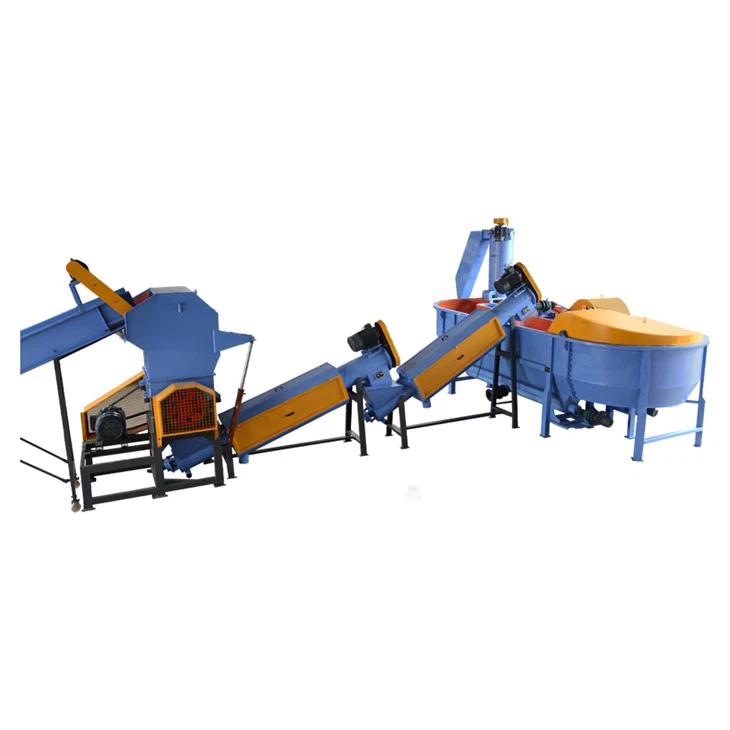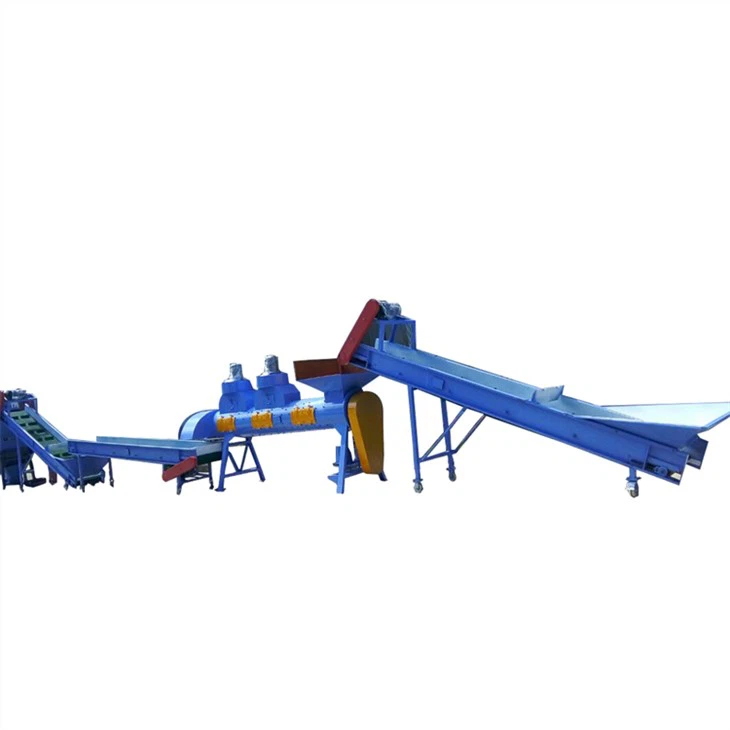
Plastic friction washers and sink-float tanks are modular cleaning and separation stages for new or existing PET, HDPE, PP and PE recycling lines. This page is intended for buyers replacing an underperforming washer, adding another cleaning stage or expanding line capacity without purchasing an unrelated complete line.
What Each Module Does
- A high-speed friction washer removes labels, dirt and loosened surface contamination through mechanical agitation and water flow.
- A sink-float tank separates materials by density and provides additional rinsing and residence time.
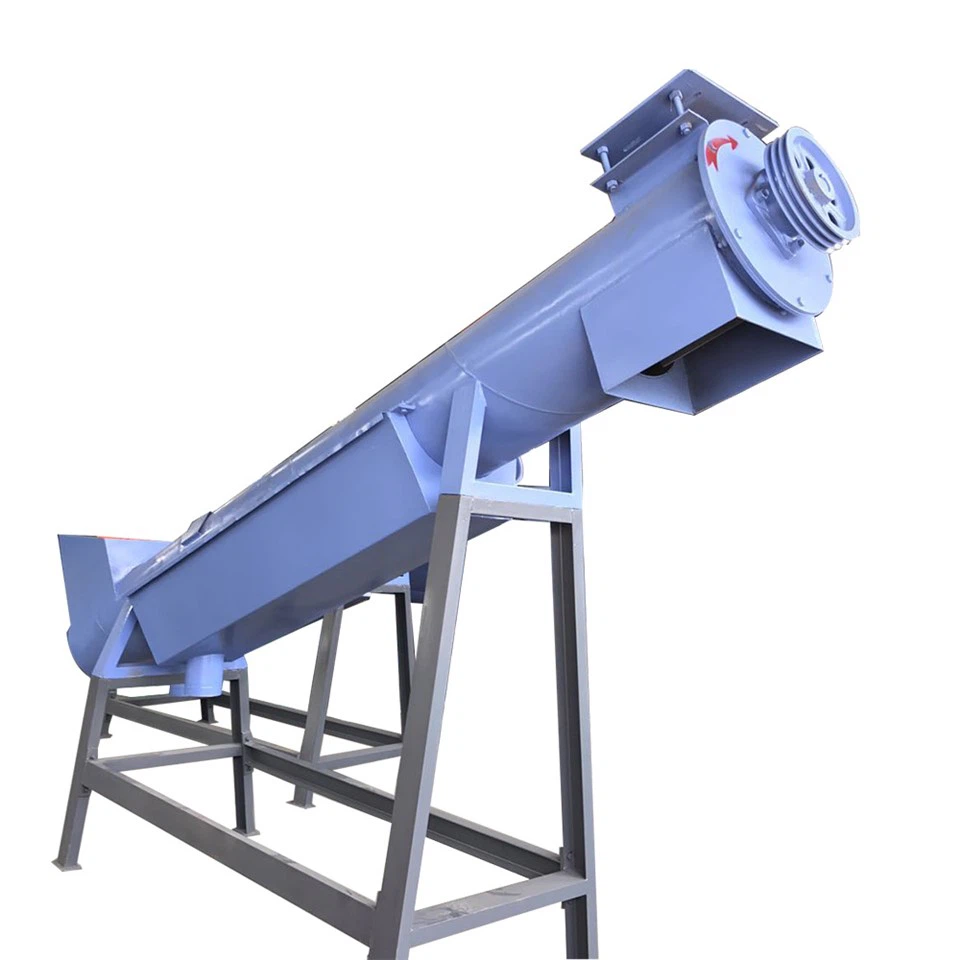
- Screw conveyors control transfer between stages and can assist drainage.
- Dewatering equipment reduces surface water before thermal drying or downstream processing.
Separation performance depends on polymer density, particle size, contamination and water condition. A sink-float tank does not separate materials with overlapping density without additional process steps.
Retrofit and New-Line Decisions
- Feed size and shape entering the washer
- Existing upstream crusher, conveyor and water flow
- Required residence time and contamination removal
- Polymer mix and expected sink/float fractions
- Target throughput and bottleneck stage
- Pump, filtration, recirculation and wastewater-treatment capacity
For retrofit projects, send the current line layout, machine dimensions, flange or conveyor interface, motor data and photos of the material before and after washing.
Material and Process Information
- PET, HDPE, PP, PE or mixed feed composition
- Labels, glue, sand, oil, paper and organic contamination
- Flake dimensions and bulk density
- Current and target throughput
- Available water pressure, temperature and recirculation
- Site voltage, space, access and maintenance requirements
See the three-barrel plastic friction washer for a dedicated intensive-washing machine. Compare complete PE/PP film and PP/HDPE rigid-plastic line routes when multiple stages must be replaced.
Request a Washing-Module Assessment
Send the existing process diagram, feed photos, flake size, contamination, throughput and interface dimensions through the AMIGE inquiry page. We will review whether a friction washer, sink-float tank or a broader line change addresses the bottleneck.