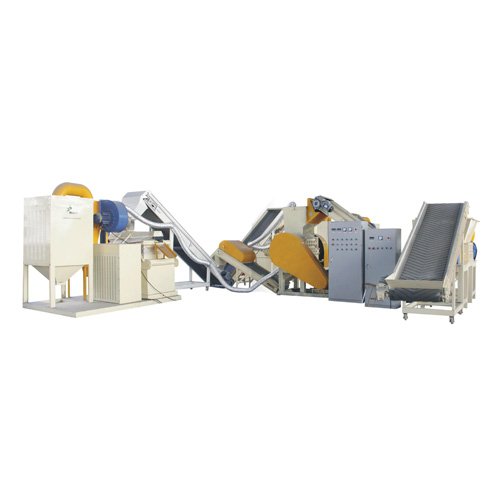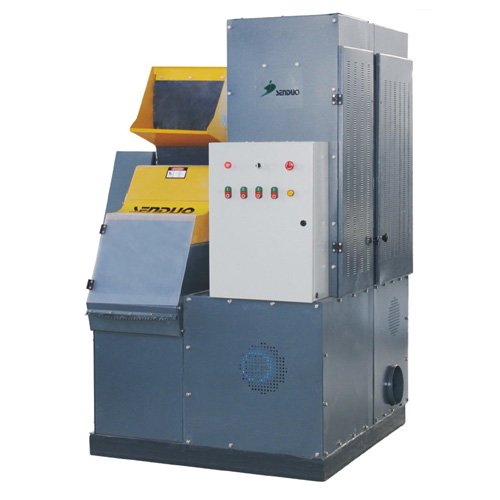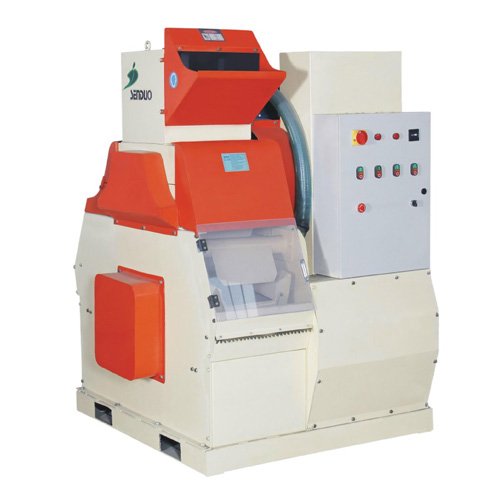

This oily cable water separation line is intended for contaminated copper cable that is unsuitable for a standard dry airflow separator. The process combines cable crushing with water-assisted vibration or density separation to recover copper and PVC fractions.
When Water Separation May Be Required
- Cable carrying oil or surface contamination
- Feed that cannot be handled reliably by a dry gravity table
- Projects prepared to manage process water and sludge
- Copper and PVC recovery where washing is part of the separation duty
Water separation introduces wastewater, drying and environmental-control requirements. The line should not be selected until the oil, cable construction, conductor metal and local discharge conditions are understood.
Recorded Line Reference
| Item | Current page reference |
|---|---|
| Recorded cable diameter | Below 20 mm |
| Voltage and power | 380 V / 38 kW |
| Reference daily output | 2–3 t |
| Reference weight | 1500 kg |
| Recorded size entry | 7200 × 1800 × 1400; unit confirmation required |
These values require confirmation. The existing dimension unit is not reliable enough for layout approval, and daily output depends on cable, oil, operating hours, water separation and downstream drying.
Water, Pre-Sorting and Alternative Processes
Define water circulation, oil removal, sludge collection, separated-plastic drying and local wastewater treatment before ordering. Compare the QJ-400M01 dry copper wire granulator when the cable is clean enough for dry processing. A magnetic separator for cable recycling can be assessed upstream when ferrous contamination must be removed.
No zero-discharge or pollution-free claim is made without a complete water-treatment design.
Request an Oily Cable Test and Proposal
Send cable and oil photos, conductor and insulation type, contamination level, diameter range, daily capacity, water conditions, discharge rules, voltage and layout through the AMIGE inquiry page.