
Explore AMIGE crusher series for bottles, pipes, rigid plastics, and mixed recycling feedstock. Built for stable output, easier maintenance, and practical recycling projects.
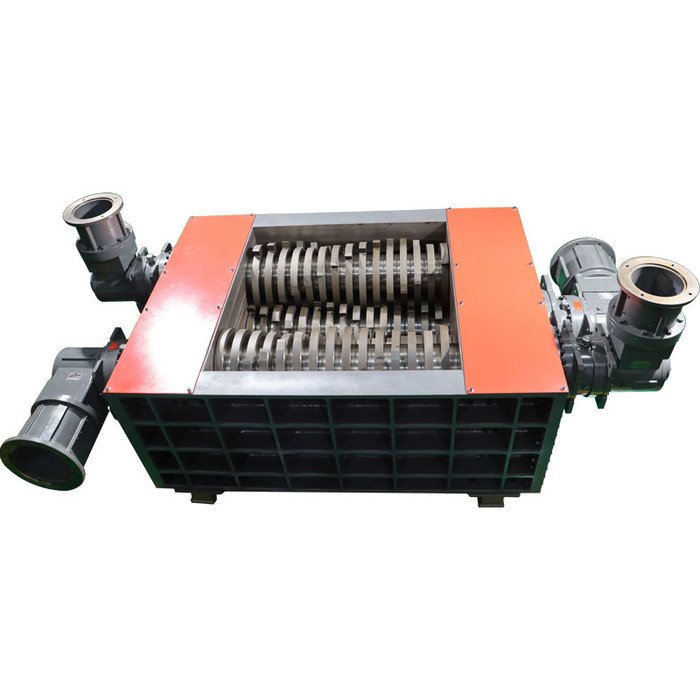
The WF1200 four-shaft industrial shredder is intended for difficult mixed or bulky material that benefits from repeated cutting

The WPS1600 single-shaft shredder is positioned for bulky plastics and mixed recycling feed that require controlled low-speed size

The WPT1000/450 double-roll shredder is intended for flexible and wrapping-prone material such as plastic film, woven bags, raffia,

The WPS1500 large-chamber single-shaft shredder is the widest model supported by the current WPS series record. Its 1530

The WPS1200 heavy-duty single-shaft shredder is intended for larger plastic lumps, pipes, thick sheets, pallets, drums and bulky

The WPS1000 single-shaft plastic shredder is intended for controlled size reduction of bulky rigid plastics and selected production

The WPS800 industrial single-shaft shredder provides a larger chamber and rotor than the WPS600 for rigid-plastic lumps, containers,

The WPS600 is a compact single-shaft plastic shredder for controlled size reduction of smaller rigid-plastic scrap and production

This horizontal plastic pipe shredding and crushing line is intended for long PE, PP, PVC and similar pipe

The DR1000 double-roll shredder is intended for long, flexible and entangling feed such as fishing nets, protective netting,
Compare single-shaft, double-shaft, double-roll and four-shaft shredders for rigid plastics, film, pipes, pallets, tyres and mixed production waste. Choose by material, feed size, target output and downstream process.
Start with the material form, largest feed dimensions, contamination, required discharge size and downstream process. Motor power and cutting-chamber dimensions are reference specifications; they are not guaranteed throughput figures. AMIGE confirms hourly capacity only after reviewing representative material information or a material test.
| Feed material or project | Recommended starting point | Representative models | Output-size approach | Capacity information required |
|---|---|---|---|---|
| Rigid plastic lumps, pallets, drums, bins, thick sheets and moulded rejects | Single-shaft shredder when a screen-controlled discharge is required | WPS600, WPS800, WPS1000, WPS1200, WPS1500 | Recorded screen ranges are 30–80 mm or 30–120 mm, depending on model and configuration | Target kg/h, largest piece, wall thickness, bulk density and operating hours |
| Bulky plastic, pallets, drums, appliance housings and mixed industrial scrap | Double-shaft shredder for high-torque primary size reduction | WT600 through WT1600 | Coarse primary output is governed by cutter width, hook profile and material; these machines do not use a sizing screen | Target kg/h, largest piece and weight, metal content, loading method and downstream equipment |
| Plastic film, woven bags, nets, rope, tarpaulin and other flexible feed | Double-roll or flexible-material configuration to reduce wrapping and improve feeding | WPT1000/450, WPT1200/450, DR1000 | WPT reference screen opening: 50–100 mm; DR1000 screen and discharge require confirmation | Target kg/h, bundle dimensions, maximum strip length, moisture, dirt and metal contamination |
| Long HDPE, PP or PVC pipe and profile scrap | Horizontal pipe line for long or thick-wall pipe; single-shaft shredder for shorter pre-cut sections | Horizontal pipe shredding line or WPS/WLS single-shaft models | Screen-controlled output can be selected where a WPS/WLS configuration is used; final size must match the next crusher or washing step | Resin, diameter, wall thickness, length, target kg/h and final particle-size range |
| Tyres and bulky waste | Large double-shaft primary shredder with project-specific cutters and downstream separation | WT1600; compare WT1400 for smaller bulky feed | Strip size depends on tyre construction, bead preparation and cutter configuration | Tyre type and diameter, bead condition, target kg/h, required strip size and steel-separation route |
| Mixed or difficult waste requiring repeated cutting | Four-shaft shredder after material and safety review | WF1600 and project-specific WF configurations | Output depends on cutter arrangement and any screen or downstream separation selected for the project | Representative material, contamination, maximum feed dimensions, target kg/h and discharge range |
The figures below are recorded reference configurations from the linked product pages. Final specifications require confirmation for the selected material, electrical standard, guarding and downstream process.
| Model | Shredder type | Recorded motor power | Recorded cutting chamber | Recorded screen or output control | Typical preliminary fit |
|---|---|---|---|---|---|
| WT600 | Double-shaft | 2 × 7.5 kW | 480 × 600 mm | No sizing screen; cutter-dependent coarse output | Smaller drums, housings, containers and production rejects |
| WT800 | Double-shaft | 2 × 22 kW | 820 × 800 mm | No sizing screen; cutter-dependent coarse output | Pallets, drums, pipe sections and hollow products |
| WT1000 | Double-shaft | 2 × 30 kW | 1020 × 800 mm | No sizing screen; cutter-dependent coarse output | Bulky plastic, drums, pallets and compatible industrial scrap |
| WT1200 | Double-shaft | 2 × 30 kW | 1220 × 800 mm | No sizing screen; cutter-dependent coarse output | Wider bulky-feed stream; metal suitability requires review |
| WT1400 | Double-shaft | 2 × 37 kW | 1420 × 950 mm | No sizing screen; cutter-dependent coarse output | Larger pallets, drums, housings and industrial waste |
| WT1600 | Double-shaft | 2 × 45 kW | 1620 × 950 mm | No sizing screen; tyre strip size is project-specific | Tyres and very bulky industrial feed |
| WPS600 | Single-shaft | 22 kW | 600 × 600 mm | 30–80 mm screen range | Smaller rigid-plastic scrap and production waste |
| WPS800 | Single-shaft | 37 kW | 800 × 800 mm | 30–80 mm screen range | Rigid lumps, containers, pipe and profile sections |
| WPS1000 | Single-shaft | 55/75 kW | 1000 × 1000 mm | 30–120 mm screen range | Bulky rigid plastics, pipes, sheets, drums and pallets |
| WPS1200 | Single-shaft | 75/90 kW | 1200 × 1250 mm | 30–120 mm screen range | Larger rigid-plastic feed and continuous production |
| WPS1500 | Single-shaft | 132 kW | 1530 × 1800 mm | 30–120 mm screen range | Large-chamber projects with bulky rigid feed |
| WPT1000/450 | Double-roll | 55 + 55 kW | 1010 × 1490 mm | 50–100 mm screen opening | Film, woven bags and flexible plastic |
| WPT1200/450 | Double-roll | 75 + 75 kW | 1210 × 1490 mm | 50–100 mm screen opening | Higher-volume flexible feed requiring a wider chamber |
| DR1000 | Double-roll | 2 × 55 kW | 1000 × 1000 mm effective opening | Screen and discharge size require confirmation | Nets, rope, tarpaulin, clothing scrap and long flexible feed |
Shredder capacity changes with material strength, bulk density, feed dimensions, cutter engagement, contamination, screen opening, reversal frequency and downstream restrictions. A preliminary model can be selected from the tables above, but the final kg/h figure requires project data.
Choose a single-shaft shredder when rigid plastic requires a more controlled discharge through a screen. Choose a double-shaft shredder for high-torque primary reduction of bulky, irregular or mixed feed where coarse output is acceptable. Flexible film and nets may require a double-roll configuration designed to reduce wrapping.
WPS single-shaft reference configurations use 30–80 mm or 30–120 mm screen ranges. WPT double-roll references use 50–100 mm screen openings. WT double-shaft machines do not use a sizing screen; output depends on cutter width, hook profile and the feed material. Final output size must be confirmed for the selected configuration.
There is no responsible single capacity figure for a model without knowing the material and feed condition. Required kg/h is an RFQ input. AMIGE reviews the material, largest piece, bulk density, cutter, screen, feeding system and downstream equipment before confirming capacity.
Not necessarily with the same rotor, cutter, screen and feeding arrangement. Rigid plastic and flexible film behave differently in the chamber. Send representative photos or samples so bridging, wrapping and screen-loading risks can be evaluated.
Some WT models can be assessed for tyres and selected metal-bearing or electronic scrap, but the material must be reviewed first. Batteries, pressurised vessels, explosive material, hardened steel and unknown hazardous feed must be removed. Cutter design, overload protection and downstream separation are project-specific.
A test is recommended when the feed contains reinforcement, mixed materials, flexible bundles, unusual contamination or an uncertain output requirement. Test results should record the material, feed size, cutter and screen configuration, observed throughput and discharge range.
Provide material photos or video, composition, maximum feed dimensions and piece weight, contamination, required kg/h, target output size, operating hours, loading method, voltage and installation country.
Send the information below for a preliminary model and process recommendation: